

The parents who appear patient in public aren’t always calm people. What you see at the grocery store or playground is the result of very intentional behind-the-scenes habits. At home, they drop the performance and manage their energy, emotions, and expectations in ways most people never notice. These are the quiet strategies that keep them from losing their stuff in front of others.
1. They Quieten The Noise
At home, many calm parents intentionally lower noise, light, and stimulation. They limit loud toys, screens, and constant background sound, especially at the end of the day. This isn’t about control; it’s about nervous system recovery. Quiet becomes a resource.
A 2025 Family Wellness Institute report found that parents who prioritize sensory recovery at home show significantly better emotional regulation in stressful public situations. Less stimulation means more patience in reserve. Calm isn’t personality-based; it’s energy-based. These parents protect theirs.
2. They Name Their Frustrations Honestly
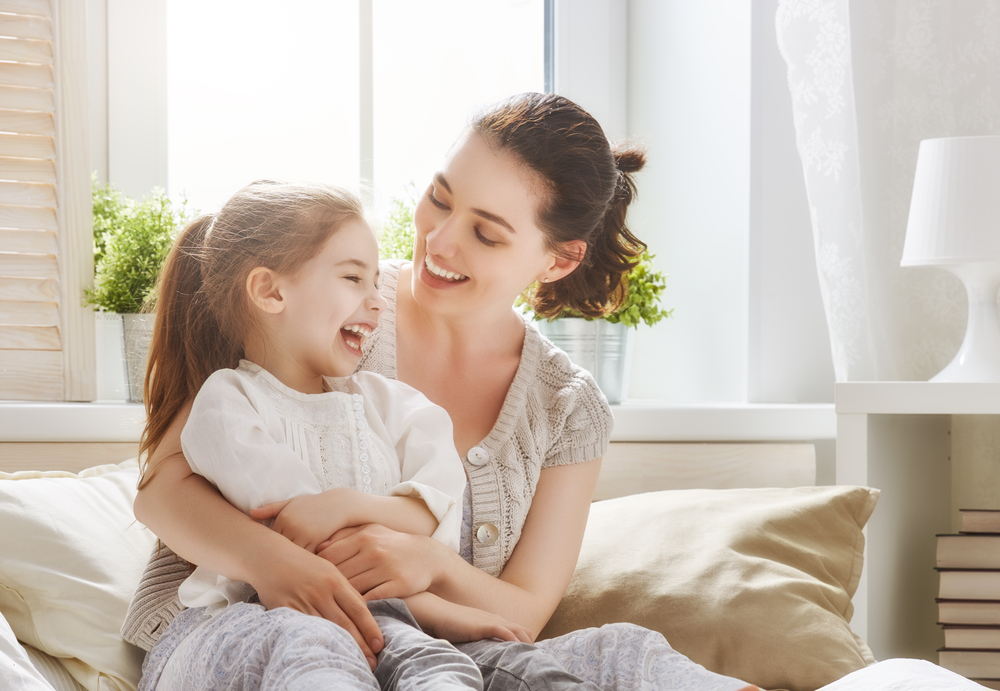
Instead of silently pushing through frustration, they name it. At home, they’ll say they need a break or that something feels overwhelming. This prevents resentment from building. It also models emotional awareness.
Their kids learn that feelings don’t need to explode to be acknowledged. Communication replaces suppression. Public calm comes from private honesty. Nothing is bottled until it bursts.
3. They Take Mini Time Outs To Recenter
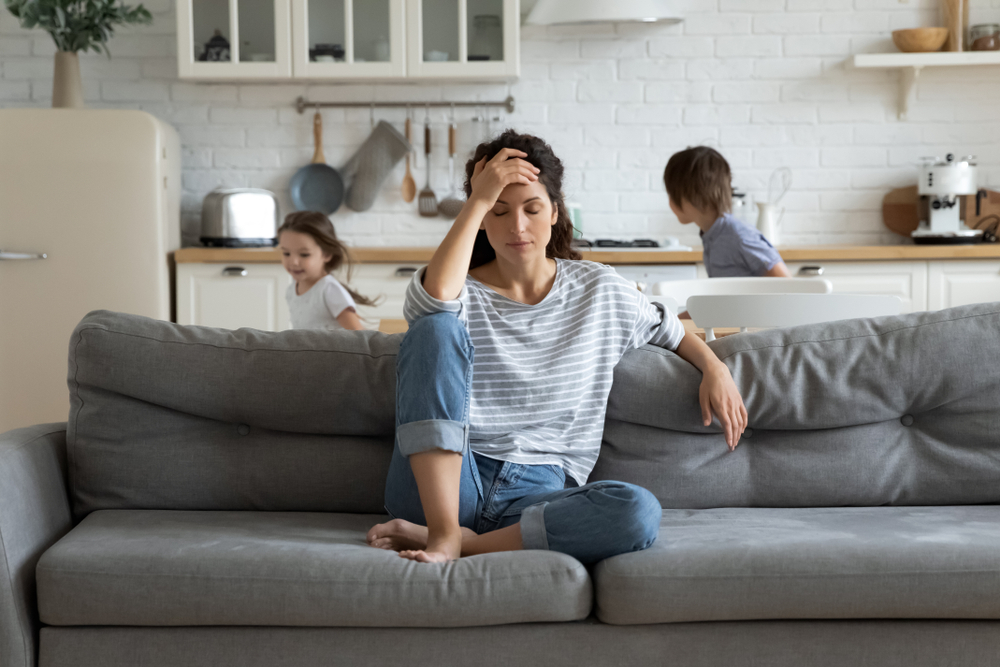
Calm parents don’t wait for full breaks that never come. They take two-minute pauses whenever possible. Deep breathing, stretching, or quiet stillness helps reset their nervous system.
A January 2026 study by Dr. Aris Thorne found that brief “micro-rest” moments were the strongest predictor of composure during public toddler meltdowns. These moments are treated as maintenance, not indulgence. Calm is built in fragments. Those fragments add up.
4. They Don’t Try To Fight The Mess
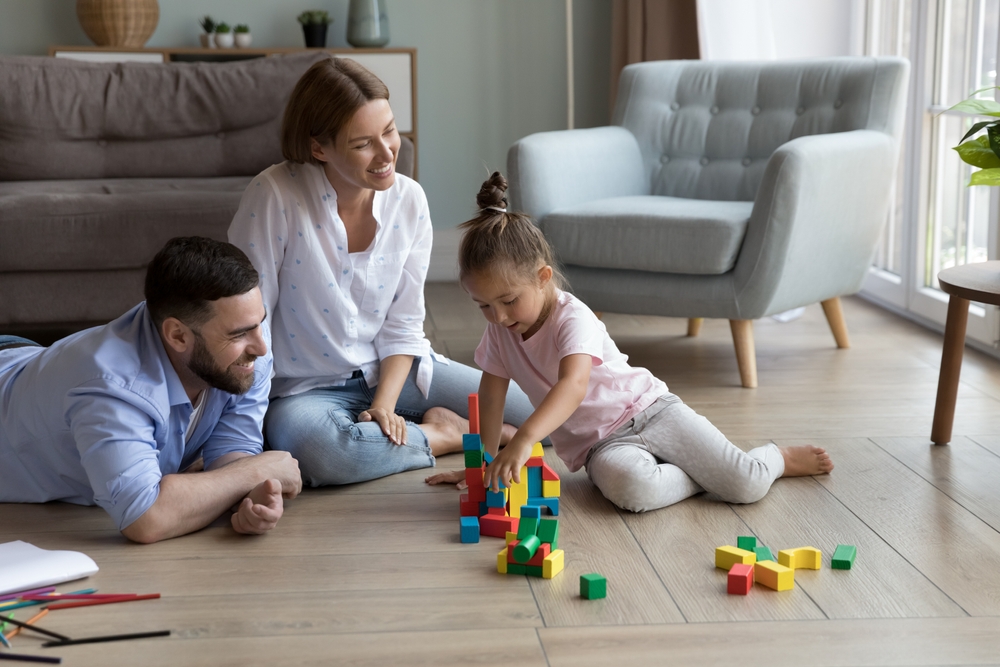
Rather than enforcing order everywhere, they create designated chaos zones. Certain rooms are allowed to be loud, messy, and high-energy. This reduces constant background stress.
By letting go of control in safe spaces, they preserve emotional bandwidth. Not everything needs policing. Order exists where it matters most. Freedom at home fuels restraint in public.
5. They Use Private Code Words

Many calm parents rely on shorthand language that only their family understands. A simple phrase can signal tension without escalating the situation. No lectures or raised voices required.
A 2025 Global Parenting Initiative analysis found that families using internal communication signals experienced lower overall conflict. These systems prevent emotional overload. Problems are flagged early. Calm stays intact.
6. They Make Sure Everyone’s Needs Are Met
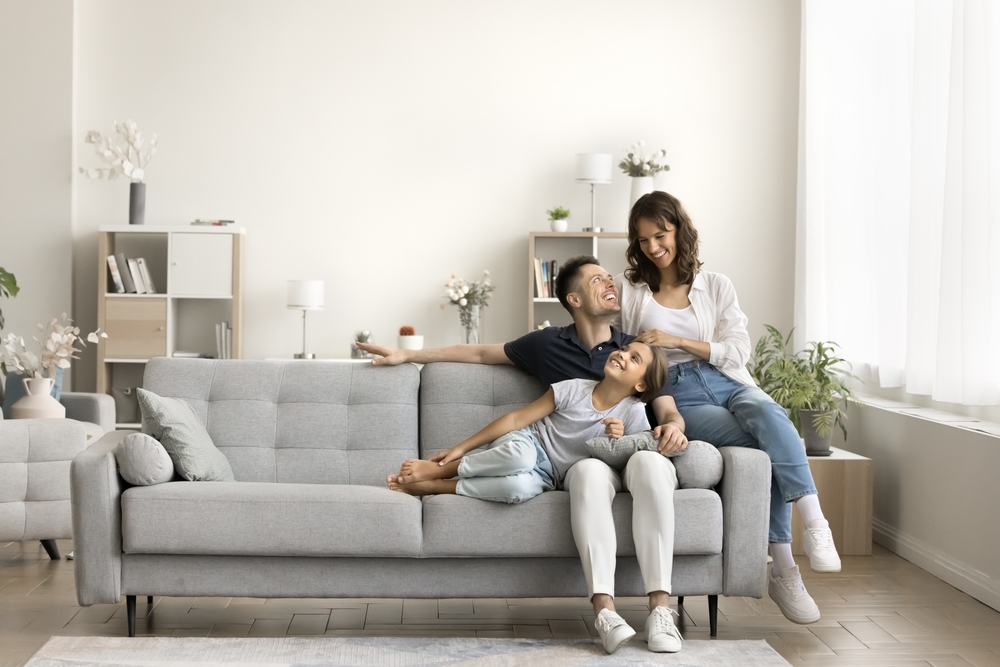
Calm parents protect meals, hydration, and rest at home. They know hunger turns patience into a liability. Low blood sugar equals low tolerance.
Meeting basic needs creates emotional resilience. This self-care isn’t selfish; it’s strategic. You can’t regulate others if you’re depleted. Calm is biological before it’s behavioral.
7. They Debrief After Public Outings
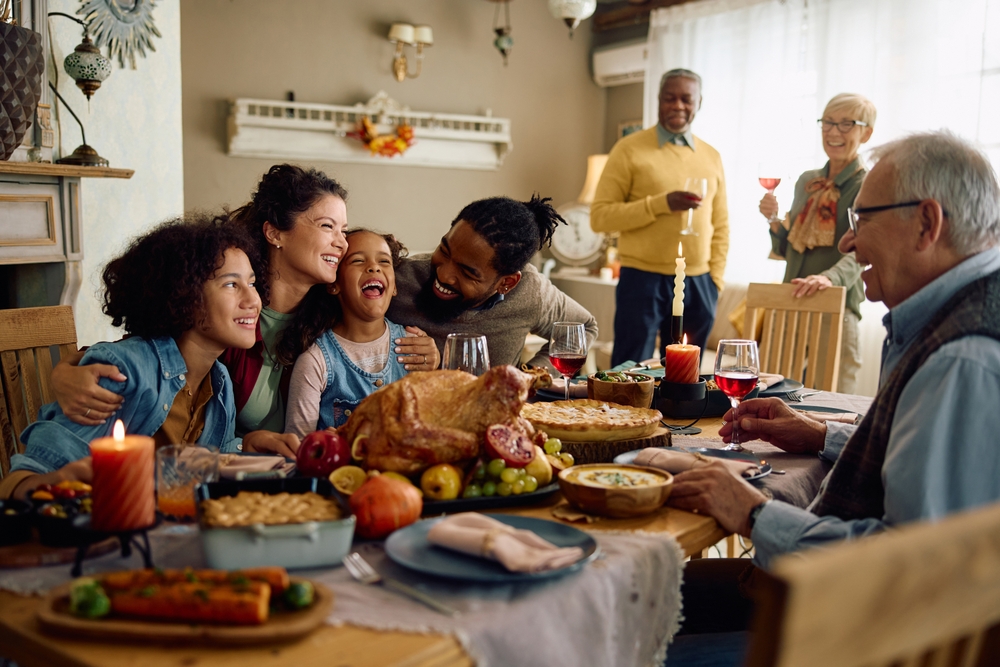
Once home, they talk through what happened. What went well, what felt hard, and what could change next time. Kids are included in the conversation.
A 2025 study in the Child Development Journal found that children who participate in post-event debriefs self-regulate better during future outings. Public behavior becomes collaborative. Shame is replaced with learning. Everyone improves together.
8. They Use Humor To Lighten The Mood

The serious public mask drops fast at home. Silly voices, jokes, and exaggerated reactions take over. Laughter resets the emotional atmosphere.
Humor releases tension without denial. It prevents resentment from building. Calm parents don’t stay stoic forever. They let the pressure out safely.
9. They Normalize Saying ‘Sorry.’
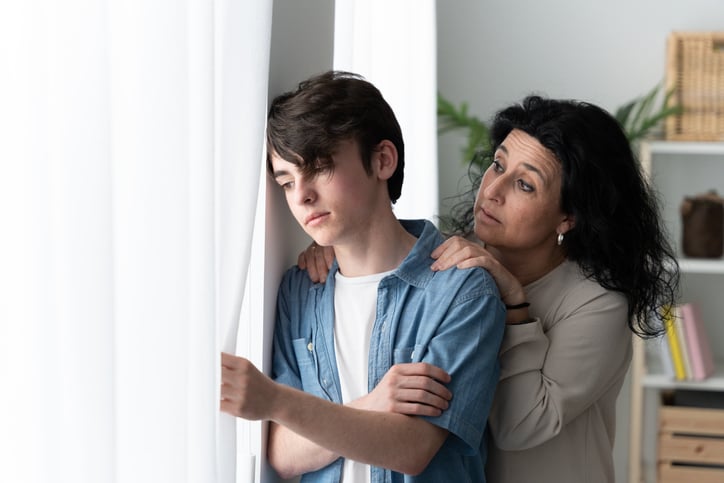
When they mess up, they say so. Apologies happen quickly and without defensiveness. They ask for another try.
This teaches kids that mistakes aren’t catastrophic. Repair matters more than perfection. Calm parents model flexibility. Control is replaced with connection.
10. They Limit Their Own Screen Time
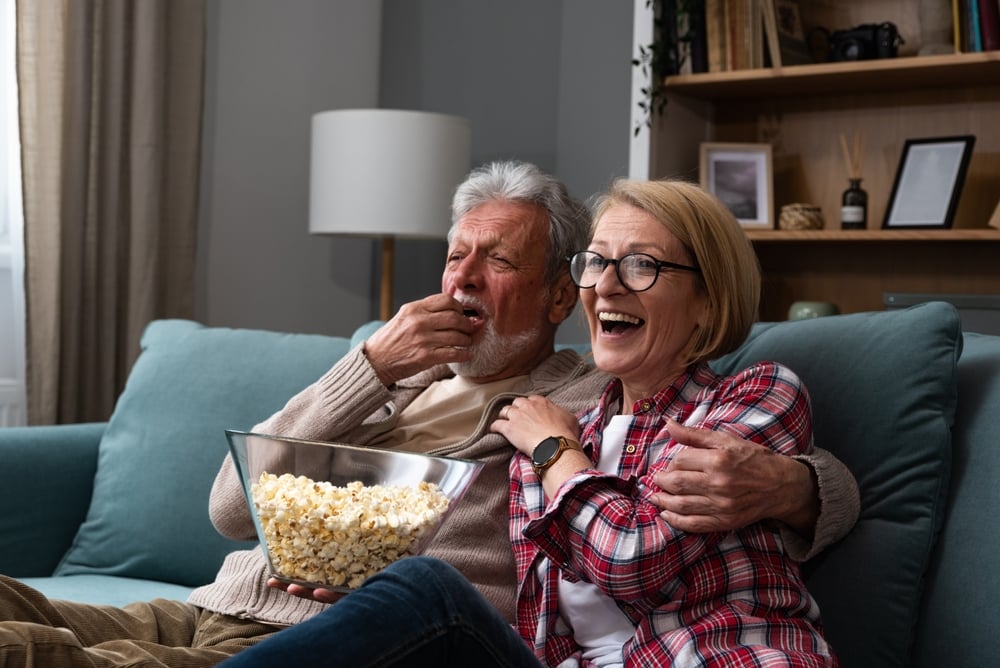
Parents who seem most present in public are often least distracted at home. They intentionally reduce phone use. Mental bandwidth is protected.
Constant scrolling fractures attention. Focus builds patience. Calm doesn’t come from multitasking. It comes from presence.
11. They Burn Off Stress Physically

Behind closed doors, calm parents move their bodies. Dance parties, roughhousing, or exercise release stored tension. Stress is discharged, not stored.
Physical activity lowers resting stress levels. This keeps reactions smaller later. Calm isn’t passive. It’s managed actively.
12. They Keep Their Standards Realistic
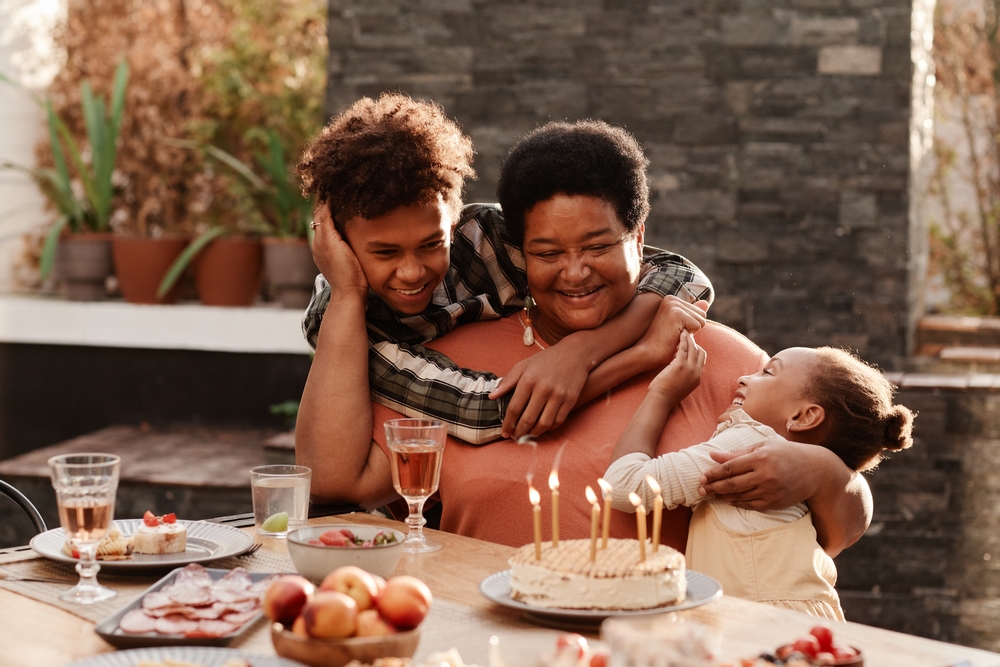
Public calm doesn’t require domestic perfection. Dinner might be cereal. Laundry can wait. Good enough is enough.
Lower expectations reduce overwhelm. Energy is conserved for real challenges. Calm parents choose sustainability over aesthetics. Survival beats appearances.
13. They Create A Sensory Relaxing Ambience

Many calm parents use specific scents or lighting to shift into rest mode. Lavender, cedarwood, or warm lighting become cues for decompression. The body responds automatically.
Over time, these cues condition calm. The home signals safety. Everyone settles faster. Calm becomes contagious.
More Bolde Stories

Psychology says grandparents who spoil their grandkids aren’t overcompensating — they’re raising ...

People who grew up having to earn approval usually say 9 overly apologetic phrases in everyday co...

