

While social media fills up with photos of crowded bars and weekend adventures, some people are perfectly content spending Friday night on the couch with a book, a show, or simply their own thoughts. And before you dismiss them as boring or antisocial, consider this: those who genuinely prefer a quiet night in often possess some remarkable strengths that their more socially active counterparts might lack. Staying home isn’t a consolation prize for people who couldn’t find plans—it’s a deliberate choice that reflects and cultivates some genuinely valuable qualities.
1. They Have Strong Self-Awareness
People who choose quiet nights at home tend to know themselves well. They understand what drains them and what replenishes them, and they make choices accordingly. This kind of self-knowledge doesn’t happen by accident—it comes from spending time with your own thoughts and paying attention to how different activities affect your energy and mood.
Research supports this connection between solitude and self-understanding. Studies have found that people experience higher levels of self-reflection during periods of voluntary solitude, and that this self-reflection contributes to emotional regulation and overall well-being. Those who choose to stay home aren’t avoiding life—they’re engaging with themselves in ways that build genuine self-awareness and emotional intelligence.
2. They Excel At Deep Thinking

Without the constant stimulation of social environments, people who prefer staying in have more mental space for concentrated thought. They can follow a complex idea to its conclusion, work through problems methodically, and arrive at insights that might not emerge in noisier settings. This capacity for deep thinking is increasingly rare in our distraction-saturated world.
The quiet of a Friday night at home creates the conditions for the kind of sustained mental effort that produces real understanding. Whether they’re working through a professional challenge, processing a personal situation, or simply exploring an interesting idea, homebodies have the uninterrupted time that genuine thinking requires.
3. They’re Often Highly Creative

Creativity needs room to breathe, and that room is hard to find when your calendar is packed with social obligations. People who prefer quiet evenings at home often use that time for creative pursuits—writing, making art, playing music, cooking elaborate meals, or simply letting their minds wander into imaginative territory.
Research has consistently linked voluntary solitude with enhanced creativity. When we’re alone and unstimulated by external inputs, our minds are free to make unusual connections, explore unconventional ideas, and generate original thoughts. Some of history’s most creative minds have been notable homebodies, and that’s not coincidental—the solitude they chose created the conditions their creativity required.
4. They Tend To Be Excellent Listeners

People who don’t feel compelled to fill every moment with activity or conversation often develop exceptional listening skills. When they do engage socially, they bring full attention to the interaction rather than scanning the room for the next conversation or thinking about where they need to be next.
This quality makes them particularly valuable friends and colleagues. In a world where most people are just waiting for their turn to talk, someone who genuinely listens—who processes what you’re saying, asks thoughtful follow-up questions, and remembers the details later—stands out. Their preference for depth over breadth extends to how they engage with the people they care about.
5. They Have Well-Developed Emotional Regulation

The ability to manage your own emotional states is a crucial life skill, and it’s one that people who regularly spend time alone tend to develop well. When you’re not constantly distracted by external stimulation, you have the opportunity to notice your emotions, understand their origins, and develop healthy ways of processing them.
Studies have found that individuals who intentionally spend time in solitude often develop stronger emotional regulation skills, along with higher self-esteem and lower levels of depression. The quiet of a night at home provides space to process the emotional experiences of the week, to decompress from stress, and to restore equilibrium before facing whatever comes next.
6. They’re Comfortable With Themselves
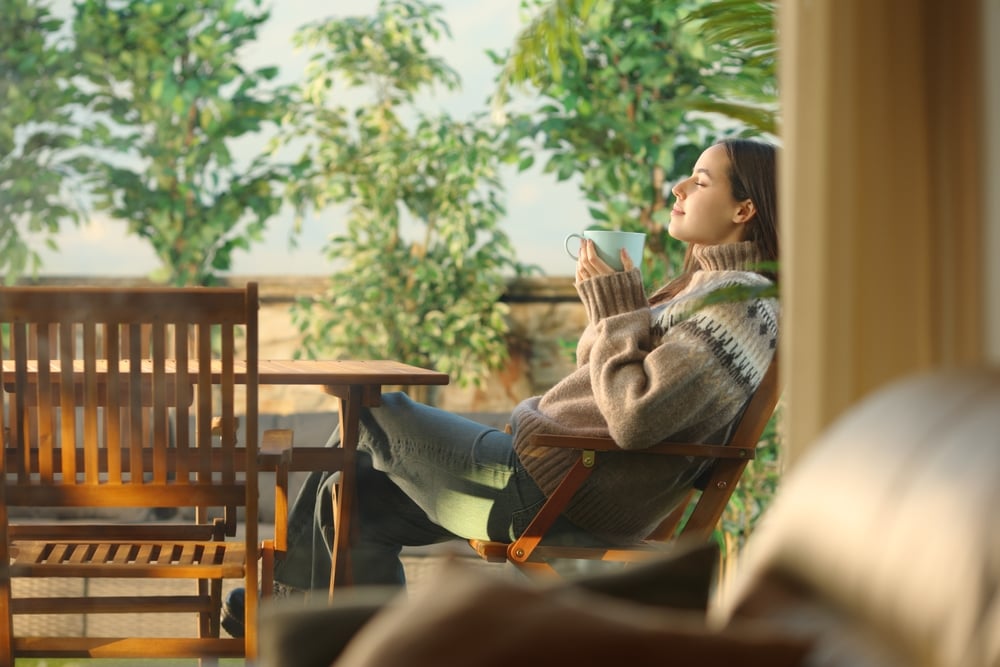
People who enjoy staying home on Friday nights have typically made peace with who they are—they don’t need constant external validation or distraction from their own thoughts. This self-acceptance is both a cause and a consequence of their preference for solitude.
This comfort with themselves often translates into less anxiety about what others think, less need to perform or impress, and more authentic relationships when they do engage socially. They’re not staying home because they’re afraid to go out—they’re staying home because they genuinely prefer it, and that preference reflects a secure sense of self.
7. They Think Before They Act

In a culture that often rewards quick reactions and snap decisions, the tendency to pause and reflect before acting is an undervalued strength. People who prefer quiet evenings tend to be deliberate rather than impulsive, considering multiple angles of a situation before committing to a course of action.
Research on personality and cognition has found that those who prefer solitude and low-stimulation environments tend to think more carefully and deeply, weighing experiences both past and present before making decisions. They’re less likely to make choices they’ll regret, less prone to getting swept up in momentary enthusiasm, and more capable of considering long-term consequences.
8. They Maintain Their Energy Reserves

Understanding and respecting your own energy needs is a form of wisdom. People who choose quiet nights at home recognize that their capacity for engagement isn’t unlimited, and they manage it accordingly. Instead of depleting themselves socially and spending the weekend recovering, they maintain steady energy levels by building in regular restoration time.
This energy management means they’re more present and engaged when they do choose to socialize. Rather than showing up exhausted and counting the minutes until they can leave, they bring their full selves to the interactions they value. Quality over quantity isn’t just a preference—it’s a strategy that serves them well.
9. They Develop Rich Inner Lives

Time alone creates space for the cultivation of an inner world—interests, ideas, perspectives, and imaginative landscapes that exist independent of external validation. People who regularly spend evenings at home often have rich inner lives filled with thoughts worth thinking and pursuits worth pursuing.
This inner richness makes them interesting people to know, even if they’re not the most socially active. They have depth that comes from reflection, perspectives that come from thinking rather than just reacting, and a sense of self that isn’t dependent on social feedback. Their quiet Friday nights are investments in becoming more fully themselves.
10. They Know What Actually Makes Them Happy
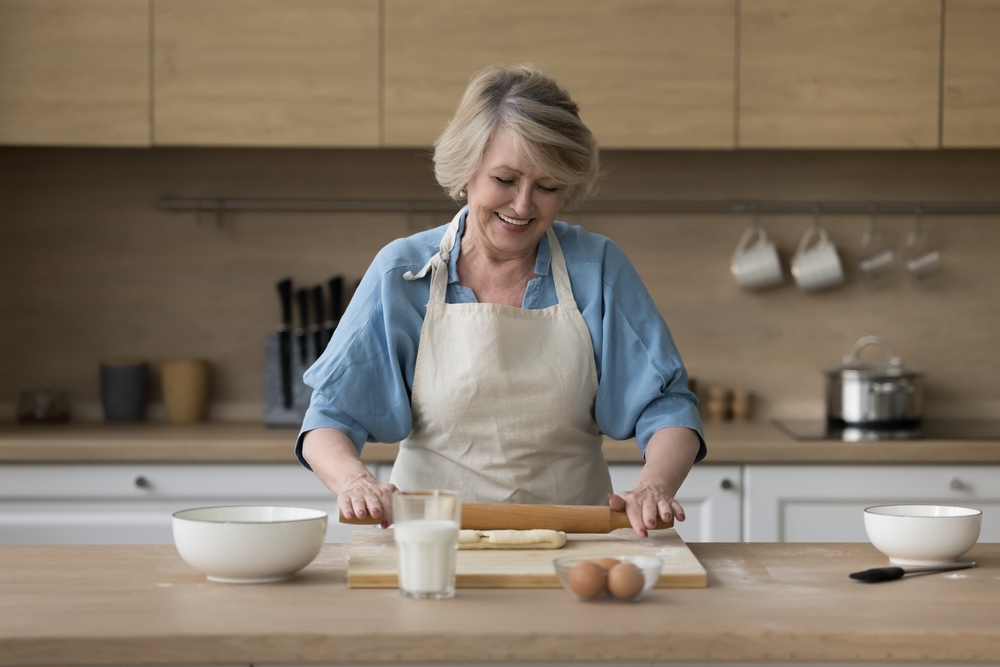
Perhaps most importantly, people who prefer staying home have figured out something that eludes many people: what genuinely makes them happy versus what they think should make them happy. They’ve rejected the cultural script that says fulfillment requires constant activity and social engagement, and they’ve discovered what actually works for them.
This clarity about their own needs and preferences is valuable beyond just Friday night plans. It extends to career choices, relationship decisions, and how they structure their lives overall. They’re not chasing someone else’s idea of a good time—they’ve found their own, and they’re content with it. In a world full of people doing things they don’t actually enjoy because they feel like they should, that’s a quiet strength worth celebrating.
More Bolde Stories

Psychology says the people everyone trusts with difficult news usually have 8 habits that make th...

People who are slowly losing their desire impress anyone usually say 9 phrases in casual conversa...

