

The standard story about loneliness in old age is a story about absence.
A circle of friends thinned out by funerals.
A house with more rooms than anyone uses now, gone silent in the evenings.
That version is real, and it deserves every bit of the concern it gets. But there’s a second version that’s at least as common and draws almost none of the attention, partly because it doesn’t look like loneliness from the outside.
It belongs to the person whose week is full — who has somewhere to be most days and people who are glad to see them — and who is, in the part that counts most, not known by any of them.
This is the loneliness of a full calendar. It can weigh more than an empty house, because the empty house, at least, isn’t pretending to be full.
Being around people and being known by them are two different things
Researchers who study loneliness separate it from plain isolation.
Isolation is a fact about circumstances — how many people are nearby, how often they’re seen.
Loneliness is a feeling about those connections, and the two don’t have to line up. A person can be surrounded by others and still feel deeply lonely when those relationships have no real depth, and a person with very little contact can feel perfectly fine.
That gap is the whole story here.
A calendar full of standing dates — mahjong on Mondays, the book club, canasta with the same four people for fifteen years — answers the need for company completely.
They are not isolated. They’re booked. But none of those rooms is necessarily a place where anyone knows what frightens them now, or what they’ve come to think about things they once felt sure of, or what they still want at a stage when they’re told they should be winding down.
It’s a strange, hard-to-name feeling, because nothing is visibly wrong.
Everyone is kind. The chair is always saved for them, the plate made up, the ride arranged. And still they come home from a full evening with the odd sense of having attended their own life rather than lived it — present at the table, and somehow a guest at it.
They used to be the center, and then people stopped updating who they were
What makes this version specific to later life is how it tends to arrive. The people it happens to were usually, at some earlier point, well known — the one who ran the household and held everyone’s schedules, who was good at a job and consulted because of it, who knew the whole street’s business.
They were a full character to the people around them, and were treated as such. Then, by slow degrees, the updating stops.
Retirement closes the version of them that their colleagues knew.
Grown children settle into seeing them as Mom or Dad and not much else.
Younger relatives, and sometimes their own peers, start speaking to them in the flattened register people save for the old — louder, simpler, a half-step slower — as if the inner life had left along with the hearing.
They get asked whether they’re sleeping and whether they’re warm enough, but not what they make of anything that matters.
The questions that would keep someone current simply stop being asked.
What’s left is a thumbnail. The grandchildren know that Grandpa does the crossword and takes his coffee a certain way; they have no idea he organized a walkout once, that he still holds fierce opinions about how the country is run, or that he is privately afraid of becoming a burden. The family carries a one-line version of him, set down years ago, and stops noticing it’s only a summary.
Gerontologists describe a need that doesn’t retire with the job: the need to be seen, heard, and valued as a particular person rather than a category.
In later life, that need gets harder to meet. The roles that once made a person easy to read — the job, the busy household, the place at the center of things — fall away, and an ageist culture is all too ready to file what’s left under “old.” What remains is someone who is present, cared for, and unseen, all at once.
More Bolde Stories


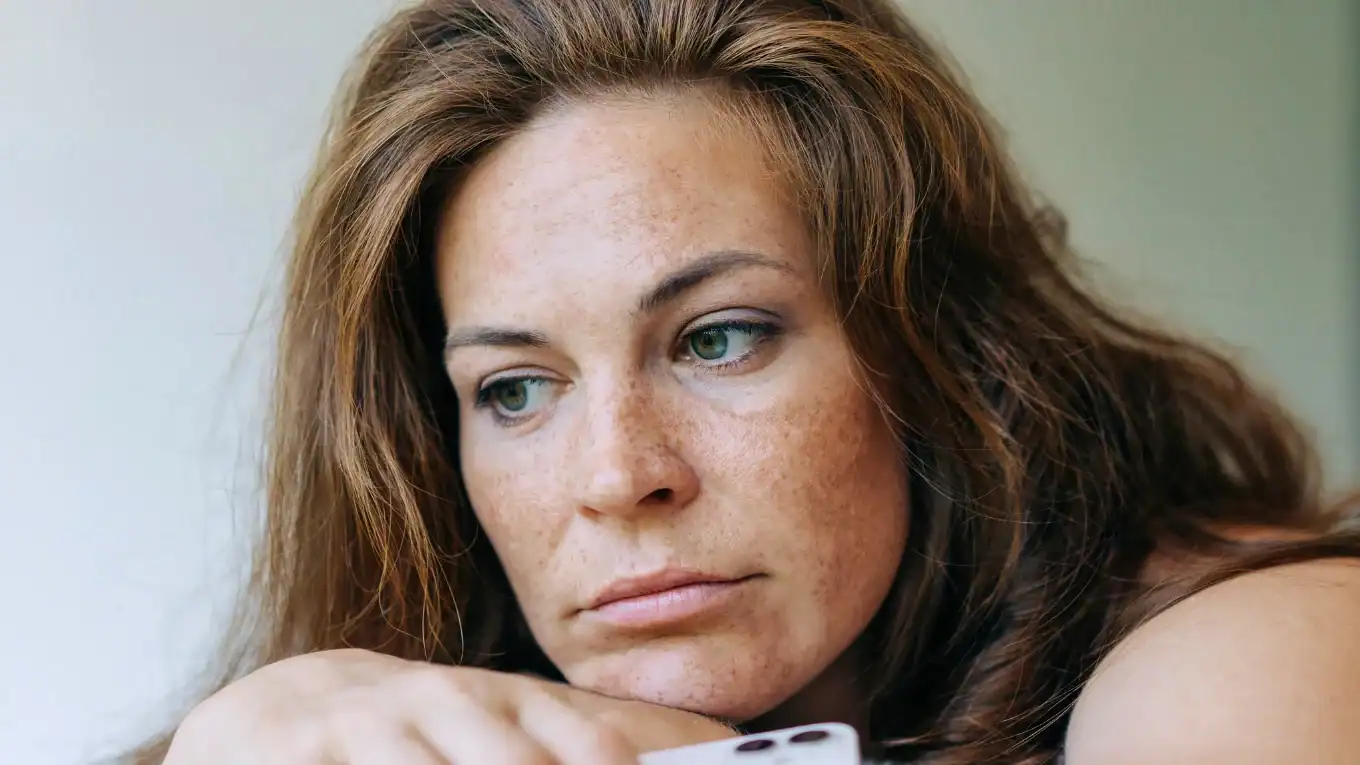
Nobody means for it to happen
There’s rarely a villain here.
The daughter who talks over her father is racing through a visit squeezed between two jobs. The friends at canasta are fond of each other; they’ve simply never gone past the game. It accumulates by inches — a pattern, not a failing on anyone’s part.
Part of what keeps it running is that it hides in plain sight.
The family is in regular contact with the older person — Sunday dinners, the group chat, the standing phone calls — and reads that frequency as closeness. By the numbers, they’re attentive. The contact is real. What went missing is the curiosity inside the contact, and an absence like that is hard to spot while the visits themselves keep happening.
There’s no moment to point to, either. No fight, no falling-out, nothing anyone would recognize as a loss while it’s happening — only a slow narrowing of what gets asked, until a relationship that once ranged over everything runs on logistics and small talk, and no one can say quite when it changed.
Being known again tends to start with one real question
This doesn’t get better by adding more to the calendar; the calendar was never the problem. It gets better when the quality of attention changes, and that can come from either direction.
For the people around them, the move is to get curious again, on purpose — to ask the questions that assume the story is still being written. What they make of something in the news. What they’ve changed their mind about over the years. What it was like to live through a famous cultural moment. The difference is between “how are you feeling,” which gets a health update, and “what do you think,” which gets a person.
For the older person, the move is harder and also within reach: to risk being known instead of only being present. To say the real thing at the book club rather than the easy one. To let one of those standing relationships go somewhere past the mahjong game — to be the one who asks the real question, or who answers one plainly when it finally comes.
When it does turn, it can turn quickly.
A granddaughter killing time before dinner asks her grandmother what she was like at twenty-five — and means the question — and out spills a year in a city the family never knew she’d lived in, a job she walked away from, a romance that didn’t end in marriage.
It was all there the whole time, waiting to be said out loud. The thumbnail was never the whole person — only the part anyone thought to ask about. And the person it flattens isn’t finished: still forming opinions, still changing their mind, still becoming someone.
Being asked is how any of that gets to the surface. Until someone does, it stays put — and it becomes easy to mistake for a person who just has less to say these days.


