

Hotels trade in discretion, not transparency. Much of what actually shapes a stay happens quietly, behind the desk or in back-of-house systems guests never see. While loyalty programs advertise certain benefits, there’s a separate layer of flexibility that isn’t marketed because it depends on context, timing, and how requests are framed. These are hotel perks that genuinely exist, aren’t guaranteed, and aren’t widely publicized—but are often available to guests who know to ask.
1. Early Check-In and Late Check-Out Are Decided on a Case-by-Case Basis

Contrary to how rigid hotel policies appear online, check-in and check-out times are frequently negotiable. Front desks often have discretion based on occupancy, housekeeping flow, and the specific room category you booked. Many hotels don’t advertise flexibility because promising it creates entitlement issues when they can’t deliver. But when availability allows, they regularly accommodate.
Hospitality industry research consistently shows that guest satisfaction rises sharply with perceived flexibility. Studies cited by major hotel groups note that timing accommodations are among the most valued, yet least standardized, service adjustments. The decision is rarely personal—it’s operational. Asking politely at the right moment matters more than status.
2. Complimentary Room Upgrades Aren’t Just for Elites
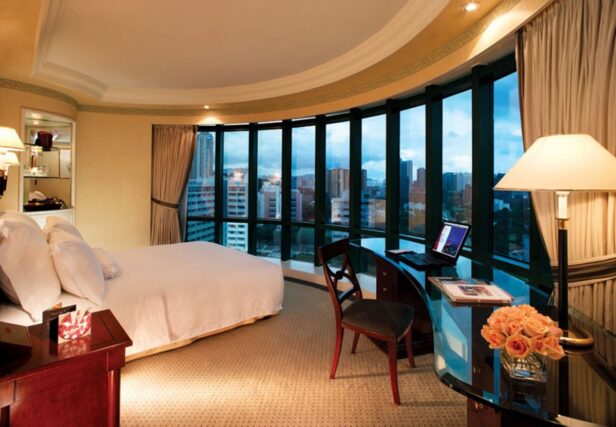
Upgrades are often framed as exclusive perks for top-tier members, but hotels regularly upgrade non-elite guests as well. This happens when higher-category rooms are available and entry-level rooms are overbooked or strategically preserved. It’s a business decision disguised as generosity. The goal is inventory balance, not reward.
Guests who ask neutrally—without expectation—often benefit from this flexibility. Front desk agents have limited but real authority to adjust room categories. The key factor is availability, not charm. Silence guarantees nothing; asking creates possibility.
3. Some Fees Are More Flexible Than They Appear

Resort fees, destination fees, and incidental charges are often presented as fixed. In reality, some of these fees can be adjusted or removed under certain circumstances. This is especially true when amenities tied to the fee weren’t usable during your stay. Hotels track exceptions more than they admit.
Consumer advocacy research around hospitality pricing shows that discretionary fee waivers are common retention tools. Hotels use them quietly to resolve dissatisfaction without issuing refunds. Guests who ask calmly, with specific reasoning, are more likely to see movement. It’s less about arguing and more about clarity.
4. Complimentary Breakfast Isn’t Always Tied to Room Type

Breakfast access is often bundled with premium rooms or loyalty tiers, but hotels regularly comp breakfast in other situations. This can happen when restaurants are underutilized or when guest flow needs balancing. It’s also a low-cost goodwill gesture with high perceived value. Food margins allow flexibility.
Front desks may add breakfast access without changing the room rate. The perk often appears quietly on your folio rather than being announced. Asking doesn’t guarantee it, but not asking ensures you won’t get it. Timing and tone matter.
5. Room Preferences Are Stored (Even If You Don’t Know It)
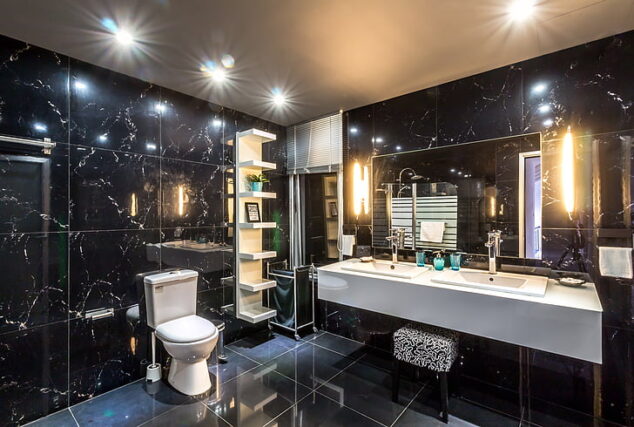
Hotels frequently keep internal notes on guest preferences, even for non-elite guests. These can include room location, floor preference, pillow type, or noise sensitivity. The data is often collected through past stays, complaints, or casual mentions. It’s used when possible.
Hospitality management studies show that preference tracking improves repeat booking rates significantly. Even mid-range hotels use basic CRM systems to flag guest notes. Mentioning a preference politely can trigger a check of existing records. Consistency helps your chances over time.
6. Transportation Help Extends Beyond the Airport Shuttle

Many hotels offer more transportation assistance than they advertise. This can include courtesy rides within a certain radius, discounted car services, or staff-arranged alternatives during peak times. These options are often situational rather than policy-based. They depend on staffing and availability.
Hotels avoid advertising this flexibility to prevent misuse. But front desks often have relationships with local drivers and services. Asking opens access to options you won’t see online. It’s about logistics, not luxury.
7. Housekeeping Schedules Can Be Adjusted More Than You Think
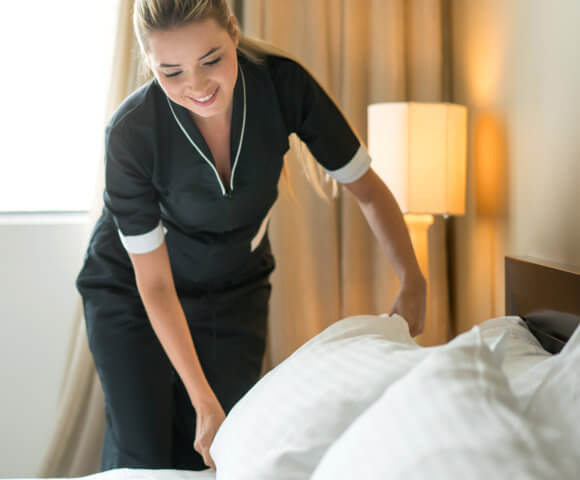
Daily housekeeping is often presented as standardized, but schedules are flexible. Guests can request specific service times, reduced frequency, or full privacy without penalty. This is especially true during longer stays. Hotels quietly prefer predictability over surprise.
Operational studies in hospitality show that predictable housekeeping schedules improve efficiency and reduce labor strain. When guests communicate preferences clearly, staff can plan better. Asking isn’t inconvenient—it’s often helpful. Silence creates guesswork.
8. Welcome Amenities Aren’t Reserved for Special Occasions

Champagne, snacks, or handwritten notes aren’t limited to honeymoons and anniversaries. Hotels often send welcome amenities to guests they want to impress or retain. This can include first-time visitors, returning guests, or those booking directly. The logic is relational, not celebratory.
Front desks and guest services teams have small discretionary budgets for these gestures. Mentioning a milestone helps, but so does expressing enthusiasm for the stay. The gesture isn’t about deserving—it’s about connection. Many amenities go unused if no one triggers them.
9. You Can Request a Different Housekeeping Team or Set Up

If something feels off about your room setup, hotels can often adjust more than guests realize. This includes swapping linens, changing room orientation, or reassigning service staff when possible. These adjustments aren’t advertised because they’re operationally sensitive. But they happen regularly.
Hotels prefer resolving issues early rather than fielding complaints later. Requests framed as comfort-based rather than critical are more likely to be accommodated. The goal is quiet satisfaction, not debate. Asking early matters.
10. Meeting Rooms and Common Spaces Are Sometimes Flexible
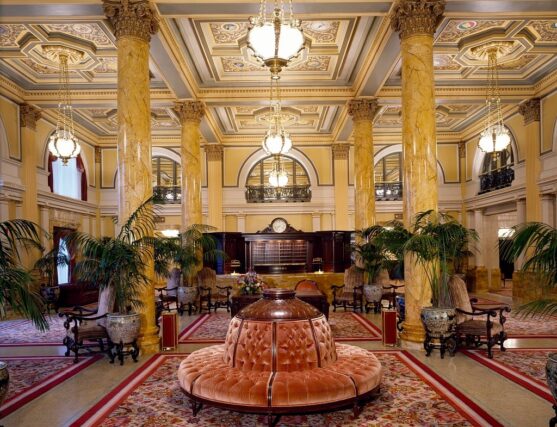
Hotels often have underutilized meeting rooms, lounges, or business spaces outside peak hours. Guests can sometimes access these areas informally for short periods. This is especially true during low-occupancy windows. The space exists regardless.
Front desks may grant temporary access without formal booking. The decision is situational and discretionary. Asking politely, with a clear purpose, improves odds. Unused space doesn’t benefit the hotel unless it’s activated.
11. Small Courtesy Credits Are Easier to Apply Than Refunds

When something goes wrong, hotels often prefer issuing credits rather than refunds. These can be applied to dining, parking, or amenities. Credits preserve revenue while resolving dissatisfaction. Guests rarely think to ask for them.
Credits are easier for staff to approve than cash adjustments. They also keep spending on property. Framing the request around experience rather than compensation works better. The solution doesn’t have to be monetary to be meaningful.
12. You Can Ask for Rate Adjustments Mid-Stay Under Certain Conditions

If rates drop significantly during your stay or occupancy changes, some hotels will adjust pricing for remaining nights. This isn’t guaranteed and depends on the booking channel and policy. But it happens more often than guests expect. Silence benefits the hotel.
Revenue management teams monitor pricing constantly. Front desks can sometimes flag adjustments or escalate requests. The answer may be no—but it’s not unheard of. Especially during longer stays, flexibility increases.
13. Staff Discretion Is the Real Perk Most Guests Overlook

The biggest unspoken perk is human discretion. Front desk agents, managers, and guest services staff make dozens of small judgment calls daily. These decisions shape experiences far more than written policies. Most guests never engage that layer.
Hotels operate on systems, but service lives in people. Asking respectfully activates discretion; demanding shuts it down. The perks exist not because hotels are generous, but because flexibility is built into the job. Knowing that changes how you show up.


