

The U.S. Supreme Court was once viewed as the nation’s final, steadying voice — an institution meant to interpret the Constitution with impartiality, restraint, and deep civic responsibility. But in recent years, especially throughout the Trump era and beyond, the Court has faced unprecedented scrutiny as many Americans now believe its decisions increasingly reflect political allegiance rather than legal principle. Confidence in the Court has plunged to historic lows, with surveys showing that perceptions of partisanship are reshaping how the public understands nearly every ruling that touches presidential power, immunity, elections, or executive overreach.
Against this backdrop, a series of Supreme Court decisions that benefited Donald Trump have left constitutional scholars, legal analysts, and everyday Americans asking the same question: How did that ruling possibly make sense? Whether rooted in procedural technicalities, novel constitutional interpretations, or sharply divided ideological camps, these decisions have helped fuel a nationwide crisis of trust. Here are 13 Supreme Court decisions favoring Donald Trump that continue to baffle critics, legal experts, and voters who fear the Court is drifting further away from neutrality — and deeper into the partisan battles it was designed to rise above.
1. The Travel Ban

Remember the travel ban that seemed to target predominantly Muslim countries? The Supreme Court upheld it in a 5-4 ruling, leaving a lot of people questioning the balance between national security and religious freedom. You’d think that such a sweeping ban would face more scrutiny, especially given the outcry from civil rights organizations. Instead, the Court ruled that the President’s authority to secure the nation’s borders took precedence.
According to The New York Times, legal experts pointed out that the decision might have set a precedent for broad executive power over immigration. The ruling seemed to ignore the discriminatory undertones critics argued were present in the policy. You have to wonder if the decision was more about politics than the letter of the law.
2. The Reversal of DACA
When Trump moved to end the Deferred Action for Childhood Arrivals (DACA) program, the Supreme Court initially blocked it. At first glance, it seemed like a win for the Dreamers — the young people brought to the U.S. as children. But the Court’s decision didn’t provide the protection everyone hoped for; it merely pointed out procedural errors in how the administration tried to end the program.
You might think this was a clear-cut victory, but the ruling left the door open for future attempts to dismantle DACA. The decision created a cloud of uncertainty rather than a silver lining, leaving many Dreamers in limbo. In the end, it felt more like a temporary pause than a definitive statement on rights.
3. The Citizenship Census Question
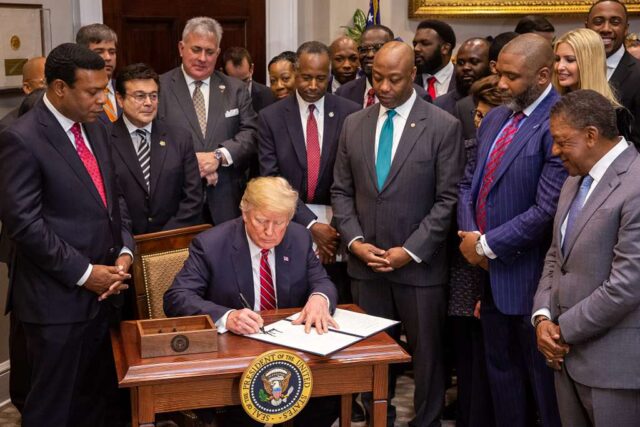
The Trump administration’s attempt to add a citizenship question to the 2020 Census was blocked by the Supreme Court. You might assume that was the end of it, but the decision was surprisingly nuanced. The Court acknowledged the administration’s rationale but found that it was contrived, leaving room for future attempts if better justified.
The American Civil Liberties Union highlighted that the decision was a critical move to prevent an undercount in immigrant communities. The ruling might have stopped the question for now, but it didn’t slam the door shut. It’s a prime example of how legal victories can be bittersweet, offering relief while leaving lingering questions.
4. The Environmental Policy Rollbacks
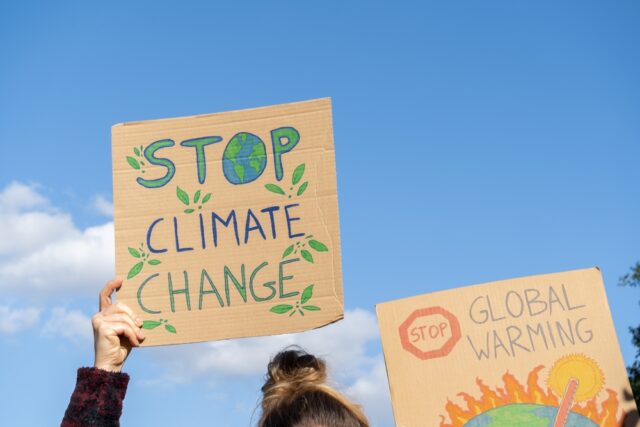
You’d think that protecting the environment would be a no-brainer, but several Supreme Court decisions allowed Trump’s rollbacks of environmental protections to stand. These rulings often cited economic concerns over ecological ones, a balance that never seems easy to strike. The Court’s stance left many people concerned about the long-term impact on climate change and public health.
In many ways, these decisions emphasized the power of the executive branch to shape policy, for better or worse. You begin to realize how deeply intertwined politics and the environment are, and how fragile protections can be. The rulings serve as a reminder that policy can shift as quickly as the political winds.
5. The Transgender Military Ban

When Trump announced a ban on transgender people serving in the military, it sparked a lot of debate. Surprisingly, the Supreme Court allowed the ban to take effect while legal battles continued in lower courts. You might have expected the Court to block such a contentious policy until all the legal questions were answered.
The National Center for Transgender Equality argued that this decision undermined the rights of transgender service members. It was a divisive moment that highlighted the tension between military policy and civil rights. Although the Court didn’t make a final ruling, allowing the ban to stand felt like an endorsement to many critics.
6. The Sanctuary Cities and Federal Funding

Trump’s administration threatened to pull federal funding from sanctuary cities, and the Supreme Court’s stance on this was anything but clear-cut. Lower courts blocked the move, citing states’ rights and the Tenth Amendment. The Supreme Court, however, declined to offer a decisive ruling, leaving the issue in a legal gray area.
This decision, or lack thereof, was a classic case of passing the buck. You’re left wondering why the Court avoided a direct decision on such a significant issue affecting many cities. It’s one of those times where ambiguity feels like the real winner.
7. The Net Neutrality Rollback

Net neutrality was a hot topic, and the Supreme Court’s refusal to hear a case challenging its rollback was a real head-scratcher. This move effectively allowed the Federal Communications Commission’s decision to stand, permitting internet providers to adjust speeds and access as they see fit. You might think that something as crucial as internet freedom would warrant a closer look.
According to Wired, this decision left many tech advocates worried about the future of free and open internet access. The refusal to intervene signaled a hands-off approach that could have far-reaching implications. It’s one of those moments where inaction speaks louder than words.
8. The Asylum Restrictions
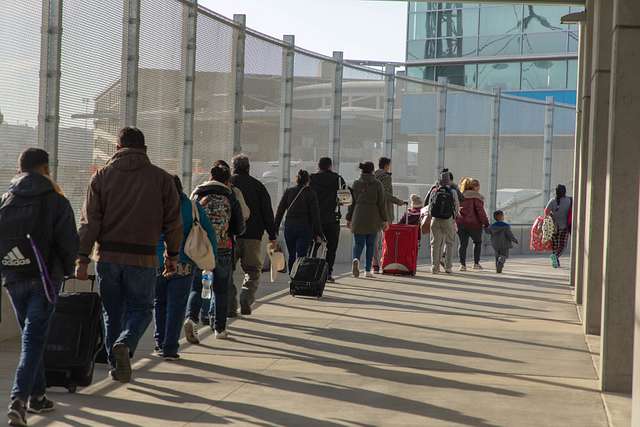
Trump’s administration placed severe restrictions on asylum seekers, and the Supreme Court allowed them to take effect temporarily. The decision made headlines, as it turned asylum policy on its head by prioritizing stricter border control over humanitarian concerns. You would think that the humanitarian implications alone would merit a more cautious approach.
This ruling was seen by many as a nod to executive power, even at the expense of international asylum norms. It left people questioning the balance between national security and compassion. The temporary nature of the decision only added to the confusion, leaving everyone waiting for the other shoe to drop.
9. The Public Charge Rule

The Trump administration’s public charge rule aimed to deny green cards to immigrants who might require public benefits. When the Supreme Court allowed the rule to go into effect, it left many people concerned about its implications on immigrant communities. The decision seemed to prioritize economic calculations over social welfare.
Critics argued that the ruling penalized immigrants who contribute to the economy in other ways. You start to see how the term “public charge” can be interpreted in ways that have lasting consequences. It’s a stark reminder of how rules can reshape the landscape for the most vulnerable.
10. The Partisan Gerrymandering

When it came to partisan gerrymandering, the Supreme Court ruled that it was beyond the reach of federal courts. This decision meant that even the most aggressively drawn district lines would stand, barring state intervention. You might think that fair representation would be a cornerstone of democracy, but the Court seemed to disagree.
The decision left many people feeling like their electoral voice had been diminished. It underscored how technicalities can overshadow the spirit of representation in the political process. It’s a sobering example of how the mechanics of democracy can be just as contentious as its outcomes.
11. The Religious Exemptions to Birth Control Coverage

Trump’s administration expanded religious exemptions for employers who didn’t want to provide birth control coverage under the Affordable Care Act. The Supreme Court upheld these exemptions, making it easier for companies to deny coverage based on religious or moral objections. You’d think that access to healthcare would be a priority, but the decision indicated otherwise.
This ruling sparked a lot of discussions about where religious freedom ends and healthcare rights begin. It shone a light on how personal beliefs can intersect with public policy in complex ways. For many, it was a moment that underscored the tension between individual liberties and collective rights.
12. The Census Count Deadline

In a twist that caught many by surprise, the Supreme Court allowed the Trump administration to end the 2020 Census count early. This decision was crucial because census data affects everything from congressional representation to federal funding. You might think a thorough and complete count would be prioritized, but the ruling suggested otherwise.
The decision left many worried about an accurate count, especially in underrepresented communities. It was a stark reminder of how procedural decisions can have lasting impacts on representation and resources. It’s one of those cases where timelines seemed to matter more than thoroughness.
13. The Student Loan Forgiveness Program

The Trump administration tightened eligibility for student loan forgiveness programs for defrauded students, and the Supreme Court let these changes stand. This decision seemed to prioritize budgetary concerns over relief for students who had been misled by for-profit colleges. You would think that protecting students would be a priority, but the ruling suggested a different focus.
Critics argued that the decision left many students with little recourse against unscrupulous institutions. It highlighted the ongoing debate about student debt and the role of government in providing relief. It’s a case where financial calculations seemed to overshadow educational justice.


