
In 2025, celebrity controversy didn’t come from shocking revelations or tabloid scandals. It came from people speaking as if the cultural ground beneath them hadn’t shifted. The comments that sparked backlash weren’t always outrageous—they were miscalibrated. What made these moments controversial wasn’t just the content; it was context.
1. When Selena Gomez Said She Was “Doing What She Could” — And People Said It Wasn’t Enough

Early in 2025, Selena Gomez faced renewed backlash after comments suggesting she had already done what she reasonably could in response to global political violence. While she didn’t dismiss the issue outright, the framing struck many as vague and self-protective, especially given her platform and past statements.
The reaction revealed a cultural tension that’s becoming impossible for celebrities to avoid: silence is no longer neutral, but speaking carefully is no longer sufficient either. Audiences are wrestling with how much responsibility visibility carries—and celebrities are clearly struggling to meet expectations that aren’t fully defined, but are deeply felt.
2. When Sydney Sweeney Talked About Burnout — And People Heard Privilege

Sydney Sweeney faced backlash after comments in an interview about working nonstop, taking on as many projects as possible, and pushing through exhaustion early in her career. While the comments were framed as gratitude and ambition, they landed uncomfortably amid a broader cultural reckoning around burnout and labor exploitation.
The reaction wasn’t about denying her effort—it was about context. Many pointed out that her ability to say yes endlessly relied on youth, health, and financial upside that most workers don’t have. What this moment revealed was a cultural refusal to romanticize overwork when the rewards are no longer evenly distributed. Hustle narratives sound different when they come from someone whose exhaustion still leads to upward mobility.
3. When Dave Chappelle Once Again Said Comedy Was “Under Attack”

Dave Chappelle reignited backlash after revisiting claims that comedians can no longer speak freely without punishment. While he framed the issue as artistic constraint, many reactions focused less on offense and more on fatigue with the argument itself.
What stood out wasn’t outrage, but disengagement. Critics didn’t rush to cancel him—they questioned why one of the most powerful comedians in the world continued framing himself as silenced. The cultural shift here was subtle but significant: complaints about censorship from those with massive platforms no longer read as resistance. They read as a refusal to evolve.
4. When Kylie Jenner Shared Parenting Advice — And Sparked Class Backlash

Kylie Jenner drew criticism after offering parenting advice that emphasized balance, flexibility, and “making time,” without acknowledging the resources that make those choices possible. While the advice itself wasn’t extreme, the framing treated privilege as a neutral backdrop rather than an enabling factor.
The backlash wasn’t about attacking her as a mother. It was about erasure. In a year where childcare costs and parental burnout were constant headlines, audiences were increasingly sensitive to when celebrity advice glossed over structural realities. The moment highlighted how quickly “personal experience” becomes tone-deaf when it’s presented as universal.
5. When Joe Rogan Questioned Therapy Culture — And People Heard Dismissal

In 2025, Joe Rogan sparked renewed controversy after comments criticizing what he described as over-reliance on therapy language and mental health labels. While some listeners applauded the skepticism, many felt the remarks minimized the tools people use to understand and survive real psychological strain.
What this moment exposed was a cultural fault line. There’s growing fatigue with pop-psychology overuse—but also deep concern about sliding back into minimization. The backlash reflected a public unwilling to let skepticism turn into dismissal, especially when coming from figures with outsized influence over how vulnerability is perceived.
8. When Oprah Winfrey Spoke About “Personal Responsibility” in a Systemic Moment

In 2025, Oprah faced criticism after comments emphasizing personal responsibility and mindset in a conversation about hardship and resilience. While the framing aligned with themes she’s long championed, the timing made it controversial. Many felt the message landed awkwardly amid widening inequality and systemic failures that individual effort alone can’t resolve.
The reaction wasn’t about rejecting self-agency—it was about scale. Oprah’s authority was built on empowerment, but the backlash revealed a cultural shift toward structural analysis. Audiences are less willing to accept individual solutions for collective problems, especially when they come from figures far removed from precarity.
9. When Elon Musk Made Light of Serious Issues on X

Elon Musk continued to generate controversy in 2025 through offhand or joking posts about serious geopolitical, social, or technological concerns. Even when framed as humor or provocation, these comments were widely criticized for flattening complex realities into spectacle.
What this revealed was a growing discomfort with power that refuses gravity. The backlash wasn’t about free speech—it was about responsibility. When influence reaches global scale, irony stops reading as clever and starts reading as avoidance. Cultural tolerance for “just trolling” behavior from powerful figures is wearing thin.
10. When Kim Kardashian Talked About Beauty, Effort, and “Trying Harder”
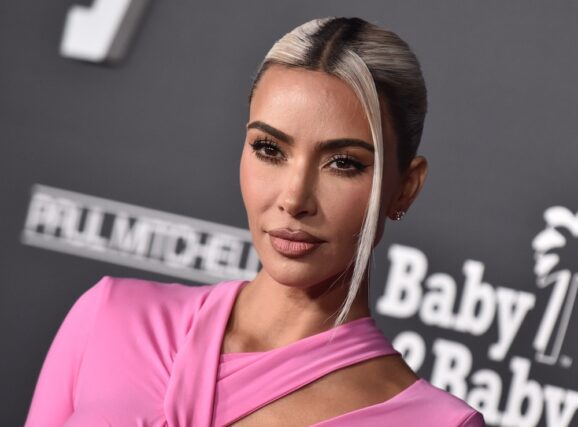
Kim Kardashian sparked renewed debate in 2025 after comments linking beauty standards, effort, and discipline—echoing past statements that have long followed her. While she framed her remarks as honesty about maintenance and work, many critics pointed out how much access, money, and labor those standards quietly assume.
The controversy revealed a cultural exhaustion with aspirational narratives that ignore infrastructure. Beauty advice no longer exists in a vacuum—it’s read through class, time, and bodily autonomy. What once felt like transparency now feels like normalization of unattainable baselines.
11. When Bill Maher Criticized Younger Generations’ Mental Health Language

In 2025, Bill Maher again drew backlash after criticizing what he framed as the overuse of therapy language and fragility among younger generations. While some applauded the bluntness, many felt the commentary dismissed real shifts in how people understand trauma, boundaries, and self-awareness.
The response reflected a widening generational divide. Audiences aren’t rejecting skepticism—but they are rejecting ridicule. Authority that refuses to update its framework increasingly reads as out of touch rather than incisive. Cultural relevance now depends on curiosity, not just confidence.
12. When Dwayne “The Rock” Johnson Tried to Stay Apolitical — and Was Criticized for It

Dwayne Johnson faced criticism in 2025 for carefully avoiding political positions while still engaging broadly with cultural conversations. For some fans, the neutrality felt strategic rather than sincere, especially given his reach and influence.
This moment highlighted a narrowing space for safe ambiguity. While celebrities aren’t expected to comment on everything, audiences are increasingly sensitive to when silence aligns neatly with brand preservation. The controversy showed that neutrality is no longer perceived as absence—it’s interpreted as a choice with implications.


