

If you’ve felt a weird disconnect scrolling lately, you’re not imagining it. Influencer culture didn’t suddenly become unrelatable—it drifted, slowly and then all at once. While most people are navigating inflation, burnout, and shrinking margins for error, a certain class of creator is posting like none of that exists. What once felt aspirational now feels alien, and the gap between “content” and real life has never been wider.
1. Nara Smith
What started as soothing domestic content has tipped into something closer to performance art. Watching someone make cereal from scratch in a couture gown while calling it “simple living” feels disconnected from the realities of modern parenting and labor. The fantasy isn’t just unattainable—it’s strangely detached from time, money, and effort. Viewers aren’t mad so much as confused about who this content is actually for anymore.
Cultural critics have pointed out that the “trad-wife” aesthetic works best when it feels grounded, not theatrical. When the labor is hidden and the cost is invisible, relatability collapses. The backlash isn’t about homemaking—it’s about pretending this level of production is normal. What once felt calming now feels oddly dystopian.
2. Jaclyn Hill

Jaclyn Hill’s public frustration over engagement while living visibly large struck a nerve for a reason. Complaining about algorithms while hosting lavish parties and unboxing luxury gifts created a tone mismatch audiences couldn’t ignore. Viewers weren’t questioning her feelings—they were questioning her awareness. The emotional math simply didn’t add up.
A 2025 creator-economy analysis cited by The New York Times noted that audiences are far less tolerant of “wealth grievance” content during economic downturns. People don’t expect influencers to downplay success, but they do expect perspective. When privilege goes unacknowledged, sympathy evaporates fast. Engagement drops not because people are cruel—but because they’re exhausted.
3. Tammy Hembrow

Tammy’s content has become a rapid-fire montage of major life milestones, each framed as flawless and inevitable. Engagements, breakups, weddings, and reinventions arrive with clockwork speed. For longtime followers, it’s starting to feel less like real life and more like a scripted brand arc. Authenticity gets harder to believe when everything looks optimized.
A 2025 We Are Social report found that audiences are increasingly skeptical of influencers who turn personal upheaval into repeatable content formulas. Emotional moments lose credibility when they’re packaged too cleanly. Viewers don’t need mess—but they do need reality. Without it, even the most polished life starts to feel hollow.
4. Addison Rae

Addison Rae’s pivot into full-scale celebrity left many early fans behind. Her current persona feels professionally engineered, smooth, and oddly generic. While her success is undeniable, the original charm that fueled her rise has been replaced with something distant. She didn’t do anything “wrong”—she just outgrew her audience.
This is a classic influencer transition problem. When relatability disappears entirely, loyalty thins. Fame expands reach but often narrows emotional connection. The algorithm may reward polish, but people miss the person.
5. Dixie D’Amelio

Dixie’s brand has long leaned into melancholy, but lately it’s felt insulated by wealth. Talking openly about creative struggles while benefiting from enormous privilege creates friction. The vulnerability feels sincere, yet oddly inaccessible. It’s hard to relate when the stakes are so different.
A 2026 Forbes piece on legacy influencers noted that wealth-buffered angst often fails to resonate during periods of widespread insecurity. Emotional honesty matters—but so does context. Without acknowledging the cushion beneath the fall, the message misses. Audiences aren’t heartless; they’re discerning.
6. Emily Mariko
Emily Mariko’s minimalist aesthetic once felt calming, even grounding. Now, it feels like a silent showcase of quiet excess. When “simple living” includes $300 bowls and luxury totes, the message blurs. Viewers aren’t seeing restraint—they’re seeing curated consumption.
Minimalism only works when it reduces friction, not hides cost. Without transparency, calm becomes cold. Silence stops feeling elegant and starts feeling avoidant.
7. NikkieTutorials

Nikkie remains enormously talented, but her content feels anchored to an older internet era. While beauty culture has shifted toward skin realism and accessibility, her ultra-glam transformations feel disconnected from current routines. The artistry is impressive, but the context feels dated. It’s spectacle without relevance.
Audiences now favor usefulness over awe. When beauty feels unattainable, interest wanes. Evolution matters more than consistency.
8. Luxury Brand-Trip Influencers
Watching influencers fly private to tropical islands for sponsored “work trips” has lost its shine. These posts now trigger more parody than envy. In a time of rising costs, luxury spectacle reads as tone-deaf. The comment sections tell the story.
A 2025 Hootsuite social sentiment study found that overt luxury flexing now correlates with declining trust scores. Viewers don’t resent success—they resent obliviousness. Aspirational content only works when it acknowledges reality. Without that, it backfires.
9. Manifestation Gurus

The “just manifest it” crowd is facing serious pushback. Telling people they can think their way out of debt or illness ignores structural realities. What once felt empowering now feels dismissive. Spiritual optimism turns into blame when results don’t follow.
Psychologists have warned that toxic positivity can increase shame rather than motivation. When failure is framed as a mindset flaw, harm follows. Audiences are rejecting magic thinking in favor of grounded tools. Hope still matters—delusion doesn’t.
10. Hustle-Culture Productivity Influencers

Wake-up-at-4-AM content hasn’t aged well. These creators often ignore invisible support systems like assistants, childcare, and generational wealth. Telling everyone they have “the same 24 hours” feels increasingly absurd. People are tired of being lectured by exceptions.
Workplace trend researchers note that burnout culture has shifted public perception of productivity advice. Sustainability now outranks intensity. If your routine requires privilege to function, it’s not a hack—it’s marketing.
11. AI “Lifestyle” Influencers

Virtual influencers represent the peak of unreality. They don’t age, tire, or struggle—yet they sell aspiration. The disconnect is total. When authenticity is simulated, influence becomes hollow.
A 2026 digital trust report found that most users feel unsettled by AI personas discussing personal growth. Without lived experience, advice feels empty. People want connection, not code.
12. Luxury Restock Creators

Color-coded fridge refills and endless “restocks” have become symbols of excess. What was once calming now sparks anxiety. The waste, cost, and repetition feel out of step with sustainability conversations. Viewers aren’t soothed—they’re stressed.
Consumption without context no longer lands as aesthetic. It lands as careless. Audiences are increasingly vocal about it.
13. Erewhon Haul Influencers
Spending hundreds on smoothies and snacks has become a meme for influencer detachment. These hauls aren’t informative—they’re performative. The flex is obvious, and the value is unclear. Even fans are rolling their eyes.
Luxury without purpose feels empty. When the price is the point, the content collapses. What remains is spectacle—and fatigue.
14. Crypto & “Fin-Tok” Bros
The modern Fin-Tok bro is still selling the fantasy of “passive income” as if the last decade of market chaos never happened. Despite well-documented crypto collapses and meme-stock wipeouts, these creators continue posting from rented supercars and short-term luxury rentals, promising followers they’re one smart trade away from freedom. The aesthetic hasn’t changed, even though the damage has. What’s missing is any real accountability for the financial harm many followers experienced.
According to a 2025 report from the Consumer Financial Protection Bureau, younger investors exposed to influencer-driven financial advice were significantly more likely to experience high-risk losses. Yet Fin-Tok content rarely includes disclaimers, long-term context, or discussions of failure. The refusal to acknowledge past fallout makes these creators feel less aspirational and more predatory. In an era of financial anxiety, their optimism reads as denial.
15. “Guerilla” Fitness Influencers
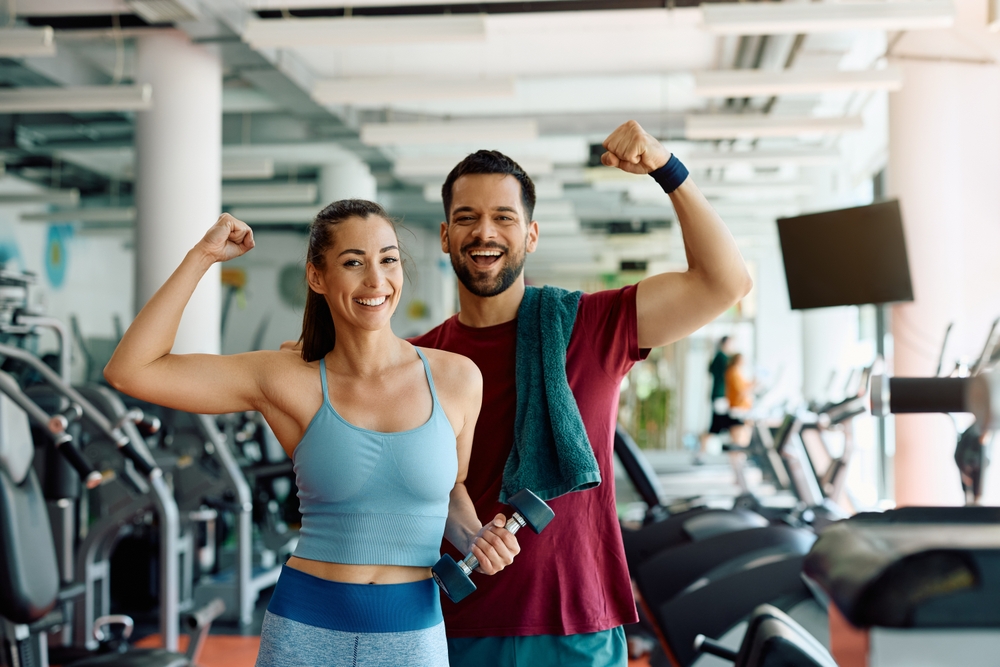
Filming workouts in public gyms used to feel mildly annoying; now it feels like a social experiment gone wrong. Guerilla fitness influencers treat shared spaces as personal studios, often shaming or confronting anyone who wanders into frame. The content centers their own frustration rather than basic gym etiquette. What’s framed as “discipline” increasingly looks like entitlement.
A 2026 survey by the International Health, Racquet & Sportsclub Association noted a sharp rise in complaints about filming-related confrontations in gyms. Members cited discomfort, privacy concerns, and a growing sense that fitness spaces are becoming performative instead of communal. The backlash isn’t about motivation—it’s about respect. When self-optimization turns into public disruption, people stop rooting for you.
16. The “Clean Girl” Minimalists
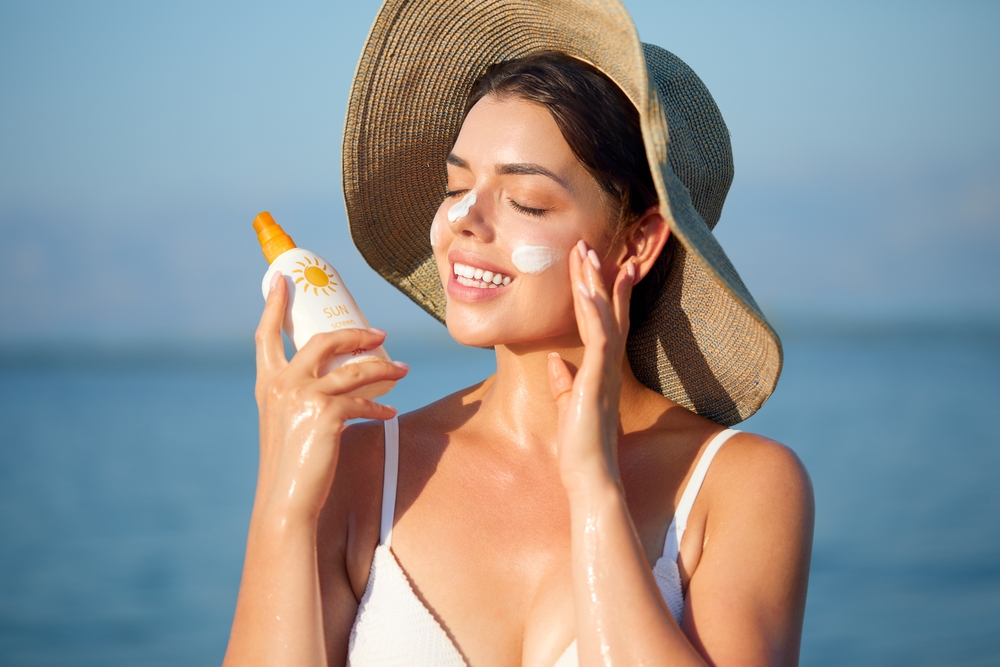
The “Clean Girl” aesthetic claims effortlessness while quietly requiring an expensive infrastructure to maintain it. Influencers insist their look is low-maintenance while budgeting thousands for cosmetic treatments, curated wardrobes, and invisible upkeep. What’s sold as simplicity is actually luxury disguised as restraint. Followers are starting to notice the math doesn’t work.
Beauty industry analysts have pointed out that this trend thrives on omission rather than transparency. When “natural” requires constant professional intervention, trust erodes. The aesthetic itself isn’t the problem—the dishonesty is. In 2026, minimalism without disclosure doesn’t feel aspirational; it feels manipulative.
More Bolde Stories

Psychology says the reason most people start taking care of themselves isn’t a health scare — it’...

People who are smarter than they sound usually have 9 habits that keep them from needing to prove it

