
Food trends don’t just reflect what people are eating—they reveal how people are trying to feel. Right now, what goes viral isn’t about excess, spectacle, or novelty for novelty’s sake, but about foods that offer grounding, texture, and emotional clarity in an overstimulated moment. The most resonant trends sit at the intersection of comfort and curiosity, indulgence and intention. These are the foods spreading fastest, not because they shock, but because they make sense for how people are actually living now.
1. Tinned Fish Has Suddenly Become Aspirational
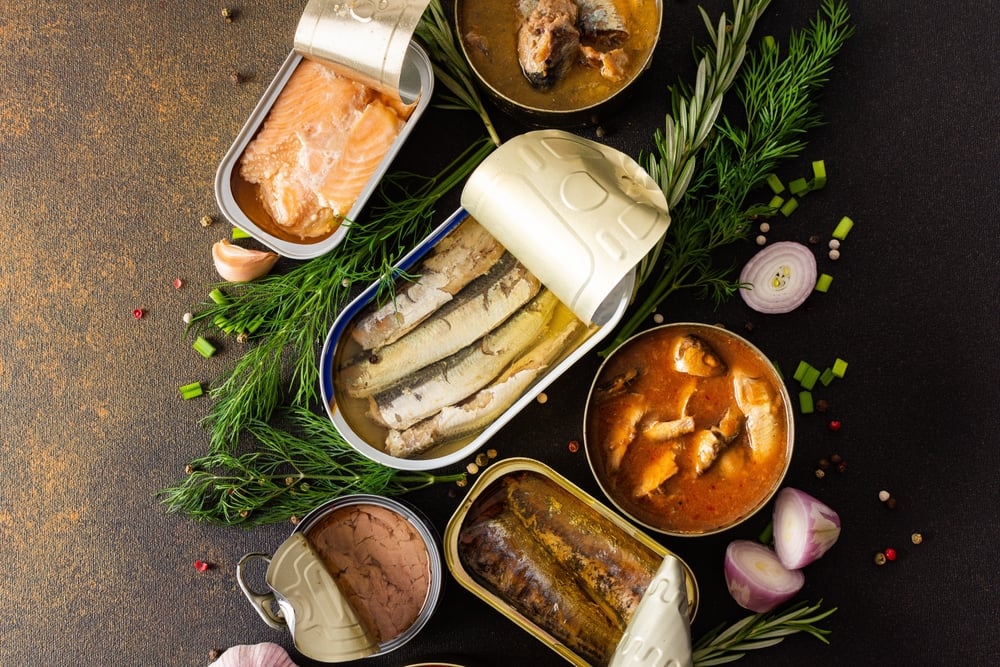
Tinned fish has quietly crossed the line from utility to lifestyle. Sardines, mussels, and mackerel are no longer framed as emergency food or inherited frugality, but as deliberate choices served with good bread, good butter, and a glass of wine. The appeal isn’t ironic or kitschy—it’s about restraint, depth of flavor, and the confidence of enjoying something understated. What used to feel like a compromise now reads as discernment.
There’s also institutional credibility reinforcing the shift. Organizations like the American Heart Association consistently cite oily fish as beneficial for cardiovascular and brain health, while sustainability researchers point to small fish as a lower-impact protein source. That combination of health and environmental legitimacy makes the trend feel defensible, not indulgent. It allows pleasure to coexist with responsibility without turning dinner into a moral exercise.
2. Chili Crisp Is No Longer Just a Condiment

Chili crisp has moved from the edge of the plate to the center of the meal. It’s being spooned onto eggs, noodles, vegetables, and grains as a defining element rather than a finishing touch. The combination of heat, crunch, oil, and umami delivers instant complexity with almost no effort. It turns basic food into something intentional.
Its popularity reflects a broader rejection of neutrality. Chili crisp isn’t subtle or polite—it’s assertive, textural, and impossible to ignore, which is exactly the point. It offers intensity without requiring culinary skill, making it accessible rather than elite. All you need is access, not expertise, which explains how quickly it spreads.
3. Cottage Cheese Is Having a Legitimate Redemption Arc

Cottage cheese has reemerged without apology or irony. It’s being blended smooth, baked into dishes, layered with sweet or savory toppings, and treated as a flexible base rather than a punishment food. The texture that once repelled people is now reframed as customizable. What changed isn’t the product—it’s the framing.
Nutrition science has helped drive the rebrand. Dietitians frequently cite cottage cheese as a high-protein, slow-digesting food that supports satiety and muscle recovery, especially compared to trendier dairy alternatives. That functional credibility gave people permission to experiment with it creatively. Once usefulness replaced stigma, curiosity followed.
4. Savory Desserts Are Finally Being Taken Seriously

Desserts no longer need to be aggressively sweet to justify themselves. Ingredients like miso, tahini, olive oil, and black pepper are being used to add structure and depth rather than shock value. These flavors don’t dilute sweetness—they sharpen it. The result is a dessert that feels considered instead of compulsory.
This shift reflects broader taste fatigue with excess. People aren’t craving restraint so much as balance, where sweetness is part of a conversation rather than the only voice. Savory desserts reward attention and slow eating, which makes them feel more satisfying. They’re less about indulgence and more about engagement.
5. Regional Comfort Foods Are Going National
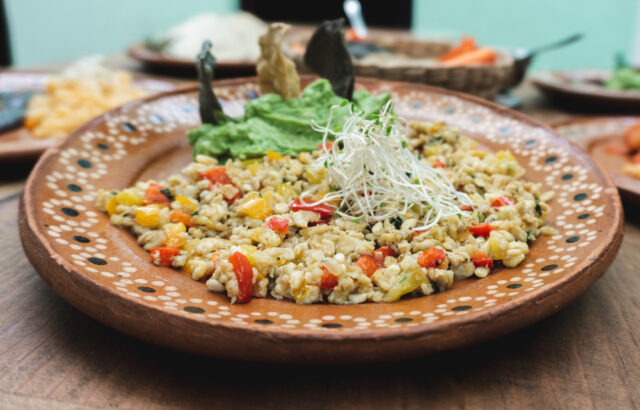
Hyper-regional foods are breaking into the mainstream without flattening themselves. Detroit-style pizza, regional Mexican breakfasts, and Filipino street foods are gaining traction precisely because they don’t generalize their identity. Their specificity is the draw, not a barrier. Eating them feels like participation in a story rather than consumption of a trend.
Food historians and institutions like the Smithsonian have long documented how regional cuisines preserve identity, memory, and continuity, especially within diaspora communities. During periods of cultural uncertainty, people gravitate toward foods with clear roots and lineage. These dishes offer comfort without sentimentality. They feel grounded instead of manufactured.
6. Drinks Are Quietly Replacing Meals
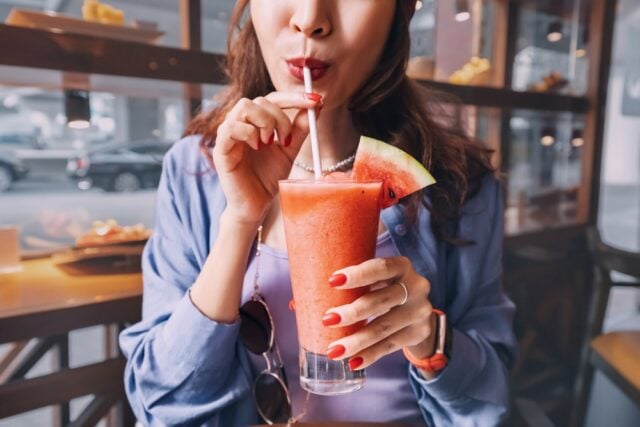
Beverages are doing more nutritional and emotional labor than ever. Protein-forward smoothies, tahini lattes, fortified matcha drinks, and broth-based blends function as meals without insisting on a traditional eating format. They reflect fragmented schedules and blurred boundaries between work, rest, and nourishment. Eating has become adaptive.
The appeal isn’t efficiency alone—it’s flexibility without self-denial. These drinks allow people to care for themselves without stopping their day entirely. They preserve ritual while accommodating movement. That balance is why they’ve stuck.
7. Nostalgic Foods Are Being Handled Without Irony

Childhood foods are returning! Elevated pudding cups, refined grilled cheese, and thoughtful takes on packaged snacks are being treated with sincerity rather than parody. The goal isn’t to mock the past, but to honor it with better ingredients and attention. That tonal shift matters.
Psychological research on nostalgia shows that familiar foods can increase feelings of emotional safety and social connection, particularly during periods of stress. Studies published in journals like Appetite suggest nostalgia-linked eating can enhance mood and meaning. When these foods are handled seriously, they comfort without pulling people backward. They stabilize rather than regress.
8. Portion Sizes Are Getting Smaller on Purpose
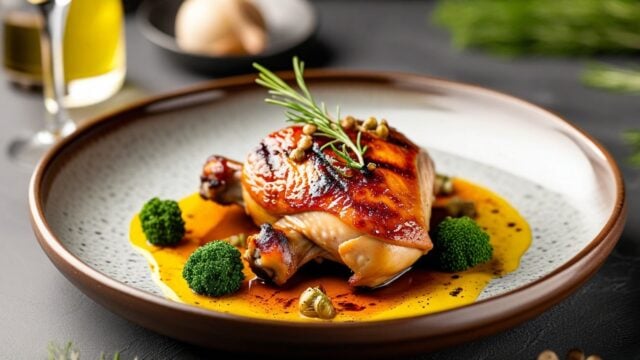
Smaller portions are reframing how people experience indulgence. Instead of eating past pleasure and into discomfort, dishes are ending closer to the point of peak satisfaction. That shift changes the emotional tone of dessert and small plates. Finishing feels intentional rather than indulgent.
This isn’t about restraint—it’s about discernment. Smaller portions encourage presence and pacing rather than self-control theatrics. They allow enjoyment without recovery. In a culture exhausted by extremes, that moderation feels generous.
9. Texture Is Competing With Flavor for Attention
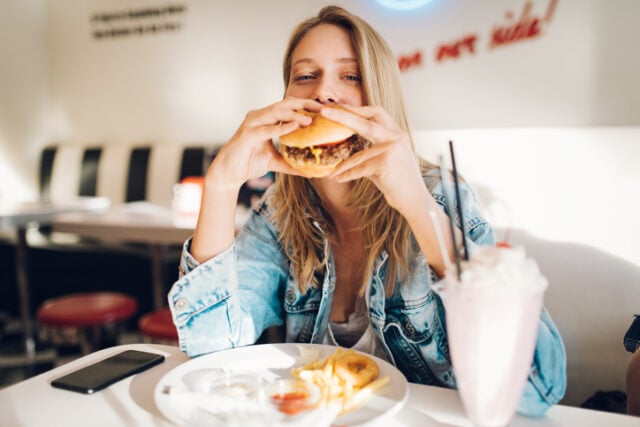
Texture has become a primary design feature rather than an afterthought. Crunchy toppings, chewy layers, crispy shells, and mixed consistencies keep the eating experience active. A dish now needs to do something in the mouth, not just taste good. Engagement matters.
This focus mirrors how food is experienced visually and sensorially online. Texture translates through screens in a way flavor can’t. It creates anticipation, satisfaction, and memorability. Eating becomes participatory instead of passive.
10. Plant-Based Food Is Finally Being Judged on Its Own Terms
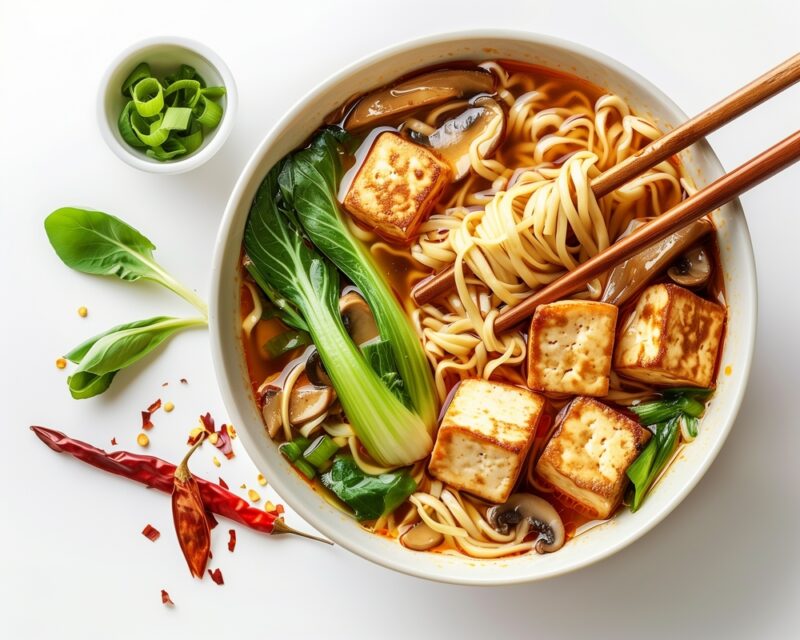
Plant-based dishes are no longer framed as substitutes or ethical statements first. They’re built around ingredients that naturally deliver richness and structure, like nuts, legumes, vegetables, chocolate, and coconut. The emphasis is on flavor integrity rather than replacement logic. That shift changes perception.
When plant-based food stops explaining what it isn’t, it becomes more desirable. The absence of apology signals confidence. Taste takes precedence over ideology. That maturity is long overdue.
11. Bitterness Is Being Welcomed Back In

Bitterness is returning as a valued flavor rather than something to mask. Espresso, dark chocolate, citrus peel, and burnt sugar are being used to add structure and complexity. They prevent sweetness from collapsing into monotony. The finish now matters as much as the first bite.
Bitterness slows consumption. It asks the palate to stay present rather than chase more sugar. In an overstimulated culture, that deceleration feels luxurious. Dessert becomes reflective rather than compulsive.
12. Social Media Has Changed How Food Is Built
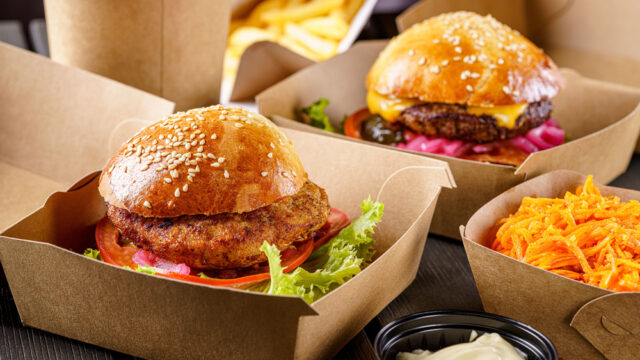
Food is increasingly designed with reveal in mind—sliced, cracked, poured, or pulled apart. Visual payoff has become part of the eating experience, but the strongest examples still prioritize flavor. When spectacle supports substance, it enhances rather than distracts. When it doesn’t, the hollowness is obvious.
Even private eating now carries an awareness of an audience. That doesn’t make food fake—it makes it intentional. The line between performance and pleasure has blurred. The best trends understand how to balance both.
13. The Biggest Trend Is Emotional Attunement

The foods going viral right now aren’t overwhelming people—they’re meeting them. Comfort, grounding, curiosity, and calm are driving choices more than excess or shock. People are eating in ways that reflect their nervous systems, not their aspirations. That’s a meaningful shift.
In a moment defined by overstimulation, food has softened its approach. It’s less about spectacle and more about resonance. That emotional intelligence may be the most enduring trend of all.


