

The space between life and death has fascinated scientists, mystics, and near-death experiencers for centuries. It’s the strange, elusive in-between — a liminal state the body enters when the heart stops but consciousness hasn’t fully disappeared. Researchers now call it the “third state,” a twilight zone where the brain flickers with activity, awareness sometimes persists, and people report visions or heightened perception that defy traditional explanations.
This state isn’t quite life, but it’s not death either — it’s something far more mysterious. As science advances, we’re finally beginning to understand what happens in those suspended moments, and why so many people return with stories that feel both impossible and deeply human. Here’s everything you need to know about the third state between life and death.
1. The Third State Begins When the Heart Stops
Most people assume death is a single moment, but the third state shows it’s actually a process. When the heart stops, blood flow stops — yet the brain doesn’t shut down instantly. For minutes afterward, neurons fire, awareness may flicker, and a strange clarity sometimes emerges. Scientists now believe consciousness may briefly continue even without a heartbeat.
This means the “moment of death” is actually an extended period where the body is offline but the mind hasn’t fully let go. People describe this state as peaceful, vivid, and strangely calm. The transition isn’t abrupt — it unfolds like a slow dimming rather than a switch being flipped. This window is what we call the third state.
2. Brain Waves Can Spike in the Minutes After Death
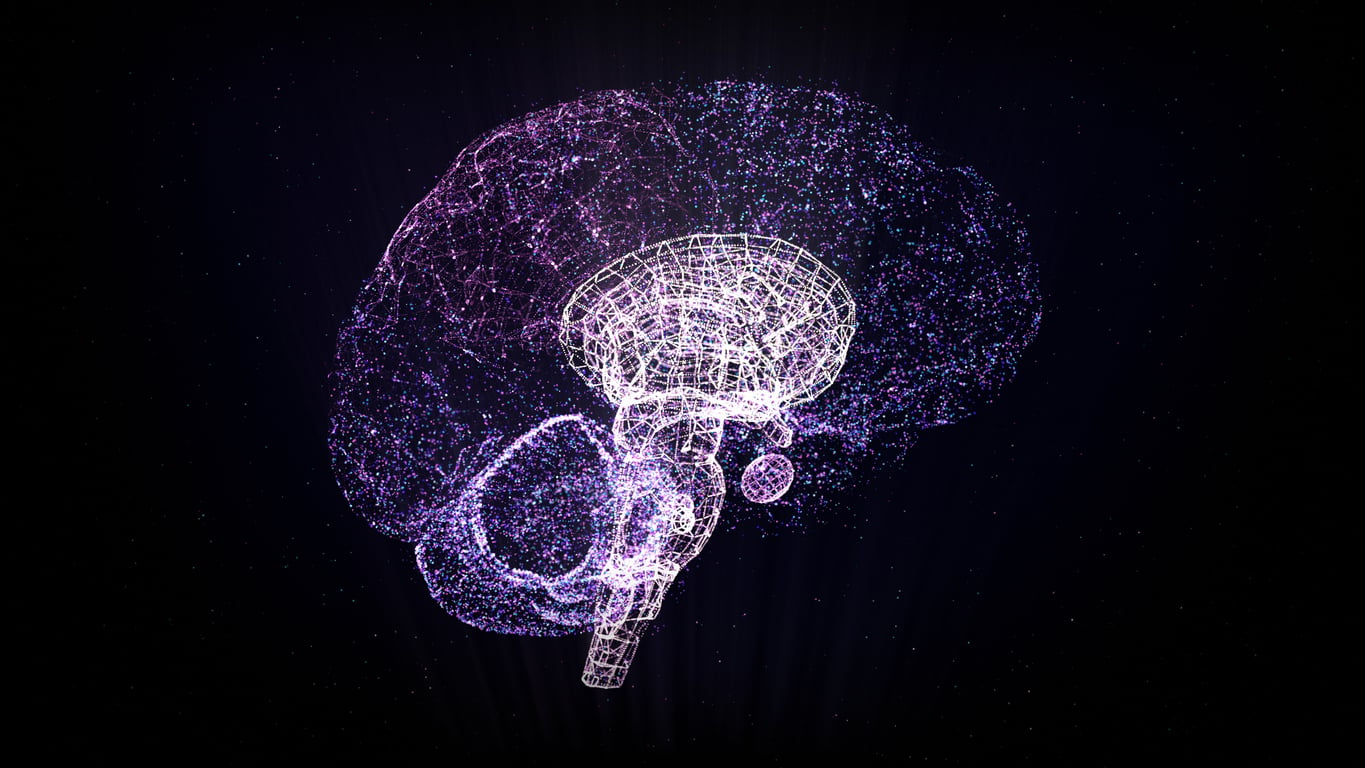
Studies on cardiac arrest patients show that certain brain waves actually increase right as the body begins to shut down. Researchers have recorded sudden surges in gamma activity — the same waves associated with memory, intense focus, and vivid perception. This burst may explain why many near-death experiencers recall sharp, detailed moments. Paradoxically, the dying brain may become more active than the living one in its final seconds.
This neurological flare could be the mind trying to create order out of chaos. Or it could be a biological release that feels transcendent from the inside. Scientists still debate which is true, but the mystery remains. The third state may be the brain’s most profound moment.
3. Time Feels Completely Different in the Third State

People who return from near-death experiences often describe time as fluid, slow, or nonexistent. Moments feel stretched, expanded, or suspended entirely. Some say the third state feels like hours, even though only seconds passed. This distortion is one of the most universally reported sensations.
The brain, deprived of oxygen but still active, processes information differently. With no external sensory input, the mind creates its own timeline. Experiences feel larger, deeper, and more spacious. It’s as if the rules of time collapse in that in-between realm.
4. Many People Report Observing Their Own Body

Out-of-body experiences are among the most widely documented aspects of the third state. People describe floating above their body, watching medical staff work, or perceiving their surroundings from impossible angles. These reports often include details they couldn’t have known otherwise. The phenomenon remains one of the greatest puzzles in consciousness research.
Some scientists suggest it’s the brain’s final attempt to create a coherent narrative. Others argue the accuracy of these observations implies something far stranger. Regardless of interpretation, the experience is deeply real to the people who live it. The third state often blurs the boundary between body and awareness.
5. Many Describe a Strong Sense of Peace or Detachment

Despite the physical trauma happening to their bodies, people in the third state frequently report overwhelming calm. They describe feeling held, guided, or simply released from fear. The emotional tone is often serene, even euphoric. Some say it’s the most peaceful moment of their lives.
This sense of calm might be neurological — a flood of chemicals easing the body into transition. Or it could be a psychological coping mechanism that softens the shock of dying. But for many, the emotional memory is vivid long after they return. Peace becomes the signature feeling of the third state.
6. Some People See Vivid Imagery or Symbolic Visions

Light, tunnels, landscapes, or symbolic scenes are common in the third state. These visions vary across cultures but often include themes of guidance, transition, or release. The images feel more real than dreams and more emotional than memories. Many people recall them decades later with crystal clarity.
Scientists suggest these visuals may be the brain firing in unusual patterns under stress. Others believe they reflect deeper layers of consciousness surfacing. Whatever the explanation, the imagery is powerful. For many, these visions become life-changing.
7. The Third State Can Include Encounters With Loved Ones

A large number of near-death experiencers report meeting deceased family or friends. *The Lancet* published a study noting this phenomenon in cardiac arrest survivors, describing these encounters as “emotionally intense and phenomenologically real.” People say these figures communicate without words and radiate recognition, comfort, or reassurance. Many return convinced the experience wasn’t imagined.
Whether neurological, spiritual, or symbolic, these encounters leave deep emotional impact. They often shift people’s relationship to death entirely. The third state becomes not a void, but a moment filled with connection. It’s one of the most enduring mysteries of the in-between.
8. Sensory Perception Often Becomes Heightened

People in the third state frequently describe sound, sight, or awareness becoming unusually sharp. Some say they could “hear” thoughts, “see” without eyes, or sense emotions around them. The experience feels hyper-real — more vivid than waking life. It’s a kind of heightened consciousness when the body is least capable of supporting it.
This paradox baffles researchers. The dying brain shouldn’t be able to process heightened sensory input — yet many experiencers insist it does. Whether it’s memory, imagination, or something more complex, the effect is undeniable. The third state can feel intensely alive.
9. People Often Return With a New Sense of Purpose

Survivors of the third state frequently describe a shift in their values. They care less about trivial stressors and more about connection, meaning, and presence. Many say the experience reorganized their priorities instantly. It’s common for people to make dramatic life changes afterward.
This transformation could stem from psychological trauma — or from something more profound. Either way, the impact is lasting. The third state tends to leave a psychological imprint that shapes the rest of a person’s life. It becomes a turning point they never forget.
10. Some Say That Were “Pulled Back” Into Their Body

Returning to life often feels abrupt — as if someone flipped gravity back on. People describe a pulling, dropping, or snapping sensation. The sudden shift from peace to physical pain or heaviness can be jarring. It’s one of the most uncomfortable parts of the experience.
This transition highlights how distinct the third state feels compared to waking life. The body’s return is loud and undeniable. Many experiencers say re-entry feels like being shoved back into something too small. The contrast is so strong that they remember the moment forever.
11. The Third State Can Happen Even When the Brain Appears Inactive

Some near-death experiences occur during periods when brain scans show little to no activity. This challenges the idea that consciousness is strictly tied to brain function. How people form memories or coherent experiences during these moments remains unexplained. It pushes science into uncomfortable territory.
This gap between data and experience fuels ongoing research. The third state may reveal aspects of consciousness we don’t yet understand. Whether it’s a hidden form of brain activity or something beyond biology, the phenomenon keeps expanding the conversation. It’s one of the most debated aspects of near-death science.
12. Many People Lose Their Fear of Death Afterward

A surprising number of near-death experiencers report that their fear of dying vanishes. They describe death as peaceful, familiar, or even beautiful. The third state becomes a reference point that softens existential anxiety. Life feels different when you’ve crossed the threshold and returned.
This emotional shift often leads to bolder choices, deeper relationships, or a greater sense of presence. It’s as if the experience unlocks a new relationship with mortality. Even skeptics admit the psychological impact is profound. The third state changes how people live, not just how they die.
13. The Third State Often Includes a Sense of Expanded Awareness

People frequently describe feeling connected to everything — time, space, memory, and existence itself. The sensation is overwhelming, peaceful, or awe-inducing. Some say they understood “everything at once,” even if they can’t articulate it afterward. It’s consciousness without the filter of the physical body.
This expanded awareness often fades upon return but leaves emotional and philosophical echoes. People describe a lingering sense of perspective or clarity. It becomes a spiritual anchor long after the physical body revives. The experience stays imprinted in ways words can’t fully capture.
14. We Don’t Fully Understand the Third State — and That’s the Point

For all the research, imaging, and firsthand accounts, the third state remains one of science’s biggest mysteries. It’s a place where biology, psychology, and spirituality overlap in ways we can’t neatly separate. Some see it as a survival mechanism; others believe it’s a glimpse beyond this life. The truth may sit somewhere in between.
The mystery doesn’t diminish its significance — it amplifies it. The third state forces us to rethink what consciousness is and where it goes. And whether it’s neurological, spiritual, or something we don’t yet have language for, one thing is clear: it’s the most mysterious space a human can enter and still return to tell the story.


