

Ancient medical practices often leave modern readers in disbelief, as these bygone remedies highlight the stark contrast between historical healthcare and today’s more advanced methods. People in ancient times had to rely heavily on trial and error, superstition, and limited anatomical knowledge to treat ailments. While some remedies laid the groundwork for contemporary medicine, others border on the bizarre or dangerous. This listicle delves into thirteen ancient medical practices that showcase the creativity and desperation of historical healthcare, leaving you both intrigued and appalled. Brace yourself for a journey through the strange and sometimes gruesome world of ancient medicine.
1. Bloodletting
Bloodletting was a cornerstone of ancient medicine, persisting for centuries despite its dubious efficacy. Practitioners believed that many ailments stemmed from an imbalance of bodily humors, and releasing “bad” blood was thought to restore equilibrium. The practice involved cutting veins or using leeches to draw blood, often leaving people weakened rather than healed. Dr. Lester S. King, a medical historian, noted that bloodletting was largely based on unverified theory rather than empirical evidence. Despite its prevalence, the procedure often did more harm than good, yet it remained popular until the 19th century.
The persistence of bloodletting highlights the human tendency to cling to long-standing beliefs even in the face of contradictory evidence. People of the time were desperate to alleviate suffering, often turning to any method that provided a semblance of relief, however temporary. The symbolic power of bloodletting, which visually represented the expulsion of disease, likely contributed to its widespread use. Furthermore, the hierarchical structure of ancient societies reinforced the authority of medical practitioners, discouraging challenges to established practices. It wasn’t until the advent of modern scientific methods that the practice was largely abandoned in favor of more effective treatments.
2. Trepanation

Trepanation, the practice of drilling holes into the skull, is one of the oldest surgical procedures known to humanity. Ancient peoples believed that opening the skull could release evil spirits or treat conditions like epilepsy and migraines. Evidence of trepanation has been found across the globe, with skulls dating back thousands of years showing signs of this crude surgery. Remarkably, some patients even survived the ordeal, as indicated by signs of bone healing around the surgical site. Despite its perilous nature, trepanation was a testament to the early attempts at surgical intervention in human history.
The procedure was as dangerous as it sounds, with a high risk of infection and brain damage. Yet, its widespread occurrence suggests that people were willing to endure extreme measures in the hope of relief. In some cultures, trepanation held spiritual significance, believed to grant the individual special powers or insights. This dual medical-spiritual approach was not uncommon in ancient societies, where the lines between health and mysticism often blurred. Although modern medicine recognizes trepanation’s risks far outweigh its benefits, it remains a poignant reminder of humanity’s enduring quest to conquer illness.
3. Mummification

Mummification, while primarily associated with the preservation of the dead, also had medical implications in ancient Egypt. The embalming process provided significant insights into human anatomy, which were documented and influenced early medical practices. According to Dr. Salima Ikram, a renowned Egyptologist, the methods and materials used in mummification revealed detailed knowledge of the body’s internal structures. This understanding, albeit rudimentary, laid the groundwork for more formal anatomical studies in later centuries. However, the practice itself was deeply rooted in religious and cultural beliefs about the afterlife rather than medical science.
The process involved the removal of internal organs, desiccation of the body, and wrapping in linens, aiming to preserve the deceased for eternity. While this might sound macabre, it inadvertently contributed to the foundation of anatomical knowledge. Over time, the skills and techniques honed during mummification would inform surgical practices and the study of human physiology. Yet, for the ancient Egyptians, the primary focus was ensuring the dead’s safe passage to the afterlife, not advancing medical understanding. The dual role of mummification as both a spiritual and educational practice underscores the complex interplay of faith and science in ancient times.
4. Animal Dung Remedies

In ancient times, people employed a wide range of ingredients for medicinal purposes, including animal dung. Various cultures, such as the Egyptians and Greeks, believed that applying dung mixtures could cure ailments or ward off diseases. People used the excrement of crocodiles, elephants, and other animals, applying it directly to the skin or ingesting it as a potion. The rationale behind these remedies was often based on symbolic associations or the belief that the properties of the animal conferred healing benefits. However, these treatments carried significant risks, including infection and disease transmission.
The use of dung in medicine highlights the lengths to which ancient people would go in their search for cures. It illustrates the reliance on natural resources and a trial-and-error approach to healing, prevalent in societies with limited scientific knowledge. The symbolic nature of these treatments often overshadowed empirical evidence, leading to the persistence of such practices despite their potential dangers. While modern medicine has largely discarded these methods, they serve as a reminder of the human propensity for creativity under pressure. Today, the idea of dung-based remedies may evoke disgust, yet it underscores the historical pursuit of health at any cost.
5. Mercury Treatments

In ancient China and later in medieval Europe, mercury was used as a treatment for various ailments, including syphilis. It was believed that mercury’s toxic properties could purge the body of impurities and disease. While the element is indeed effective at killing bacteria, it is also highly poisonous to humans. Despite its dangers, mercury was used in ointments, ingestible elixirs, and even vapor baths. The widespread use of mercury treatments reflects the historical prioritization of immediate effects over long-term health consequences.
The use of mercury underscores the trial-and-error approach that characterized much of ancient medicine. While some treatments may have provided temporary relief, they often resulted in serious side effects or long-term health issues. The allure of a powerful substance capable of dramatic effects likely overshadowed concerns about safety. Ironically, the same properties that made mercury appealing as a therapeutic agent also contributed to its eventual disuse, as its toxicity became better understood. Today, the use of mercury in medicine is limited and heavily regulated, a testament to the progress made in understanding medicinal risks.
6. Mandrake Root
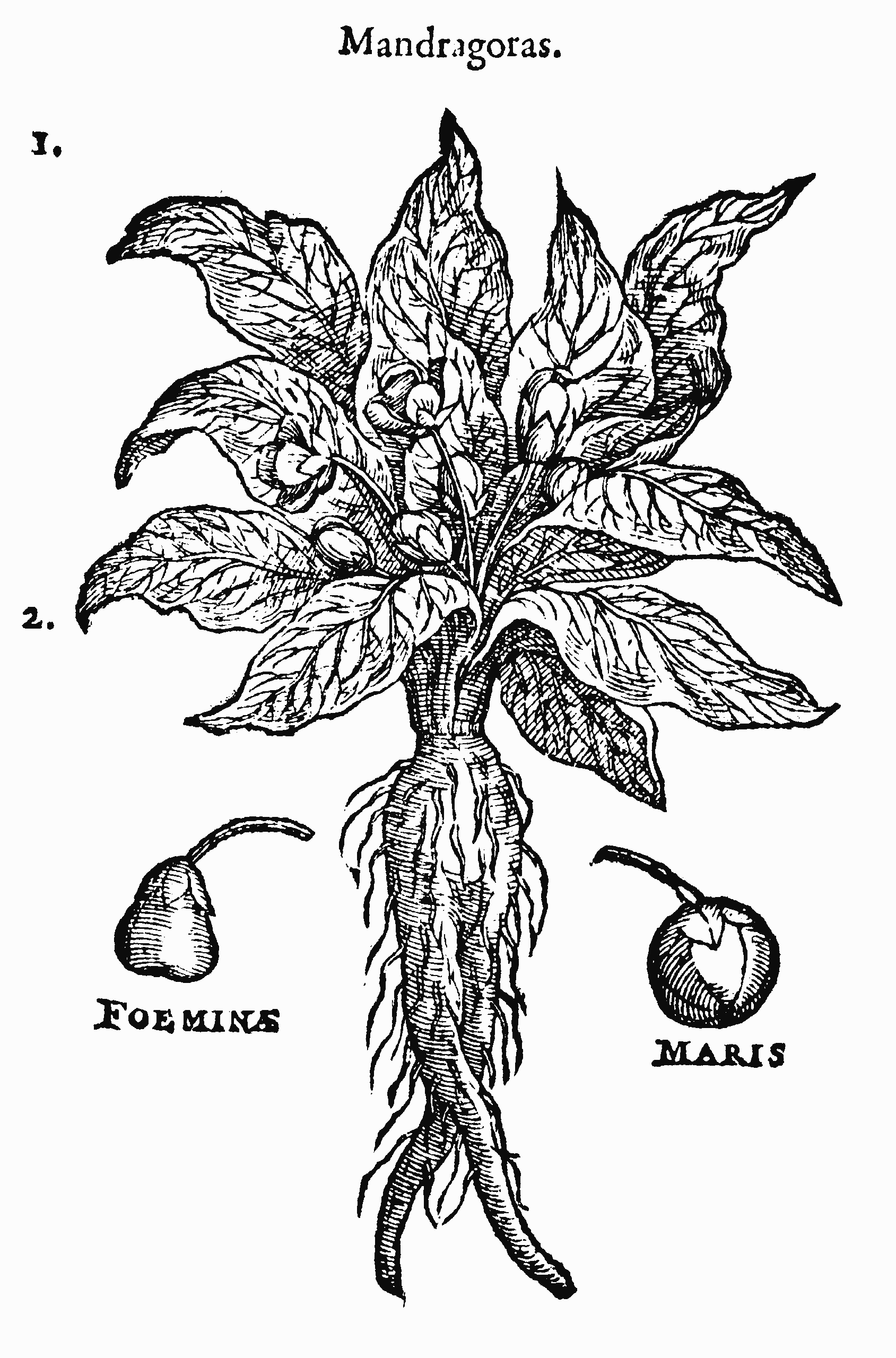
Mandrake root, known for its human-like shape, was a popular remedy in ancient times, believed to possess mystical and medicinal properties. It was used as a painkiller, and aphrodisiac, and to treat infertility, among other ailments. According to Dr. Spencer Wells, a geneticist, mandrake’s psychoactive compounds likely contributed to its reputation as a potent remedy. However, these same compounds also posed significant risks, including hallucinations and toxicity if improperly prepared or consumed. Despite its dangers, the root’s symbolic and mythical associations ensured its place in the ancient pharmacopeia.
The appeal of mandrake root lay in its combination of tangible effects and mystical allure. Its anthropomorphic appearance and the myths surrounding its harvest contributed to its legendary status. People believed that pulling the root from the ground would unleash a deadly scream, adding to its aura of danger and power. While modern medicine recognizes the plant’s limited therapeutic potential, ancient societies revered it as a panacea. The enduring fascination with mandrake reflects humanity’s historical struggle to understand and harness the natural world’s mysteries.
7. Urine Therapy

Ancient peoples from various cultures practiced urine therapy, believing it held powerful healing properties. Urine was used both internally and externally to treat a wide range of conditions, from wounds to digestive issues. The Romans and Egyptians were among those who valued urine for its supposed antiseptic and therapeutic effects. Despite the lack of scientific evidence supporting its efficacy, the practice persisted due to anecdotal reports of success and the scarcity of alternative treatments. While the idea of urine therapy may seem repulsive today, it underscores the historical reliance on readily available resources for healing.
Urine therapy was a testament to the human ability to creatively adapt to available resources. In times and places where more sophisticated medical options were limited, people turned to their own bodies for solutions. The practice was underpinned by the belief that urine, as a natural bodily product, contained beneficial qualities that could be harnessed for health. While modern hygiene standards and medical advancements have rendered urine therapy largely obsolete, its historical presence highlights the lengths to which people have gone in their quest for healing. Today, it remains a curious footnote in the history of medicine.
8. Cupping Therapy

Cupping therapy, an ancient treatment still in use today, involves placing heated cups on the skin to create suction. The practice is believed to promote blood flow, reduce inflammation, and facilitate healing for a variety of ailments. While cupping is associated with traditional Chinese medicine, it has roots in numerous ancient cultures, including the Egyptians and Greeks. Despite its long history, scientific evidence supporting cupping’s efficacy remains inconclusive, with studies offering mixed results. Nevertheless, the practice has experienced a resurgence in popularity, partly due to endorsements from athletes and celebrities.
The appeal of cupping lies in its non-invasive nature and the immediate visible effects it produces. People often associate the resultant skin discoloration with the release of toxins or increased circulation. While skeptics question the science behind these claims, devotees swear by its benefits for reducing pain and enhancing recovery. Cupping represents a broader trend in which ancient and alternative therapies gain traction within contemporary wellness culture. Whether grounded in tradition or modern adaptation, the practice continues to captivate those in search of holistic healing solutions.
9. Snake Oils

The term “snake oil” has become synonymous with fraudulent health products, but its origins lie in ancient remedies. Ancient Chinese medicine used rattlesnake oil for its purported anti-inflammatory properties, particularly in treating arthritis. Immigrants brought this practice to America in the 19th century, where it was later commercialized and exploited by unscrupulous salesmen. The original use of snake oil, while based on genuine traditional medicine, became overshadowed by its association with quackery. Despite its checkered history, the concept of snake oil highlights the enduring allure of cure-all remedies in the face of medical uncertainty.
The evolution of snake oil from a traditional remedy to a symbol of deceit underscores the challenges of distinguishing between effective treatments and fraudulent claims. The initial belief in snake oil’s benefits stemmed from observed effects, yet the lack of scientific validation led to its eventual discrediting. People’s willingness to invest in such products often reflects a desperation for relief and a distrust of conventional medicine. The legacy of snake oil serves as both a cautionary tale and a reminder of the need for rigorous scientific evaluation in healthcare. In a world where ancient and modern remedies coexist, discernment remains vital.
10. Pliny’s Poultices
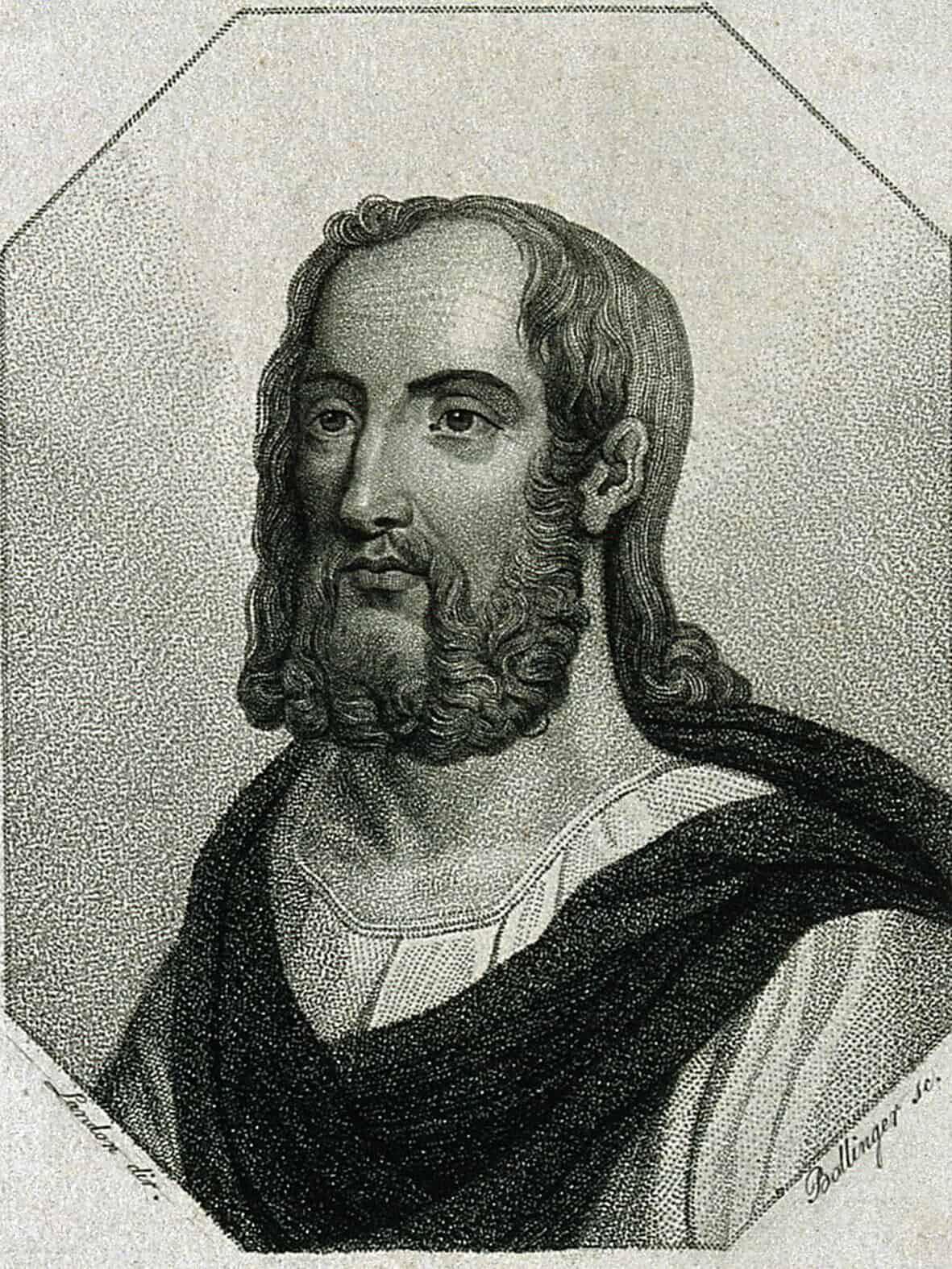
Pliny the Elder, a Roman author and naturalist, documented an array of medicinal poultices in his encyclopedic work “Naturalis Historia.” These poultices combined various ingredients, such as herbs, minerals, and sometimes animal products, applied to the body to treat illnesses. While some components, like honey and vinegar, have recognized therapeutic properties, others were based on superstition and unverified lore. Pliny’s work reflects the Roman reliance on natural remedies and the blending of empirical observation with mythological beliefs. Despite their mixed efficacy, these poultices paved the way for more sophisticated herbal medicine practices.
The poultices advocated by Pliny illustrate the Roman approach to medicine, which emphasized the integration of nature’s bounty with human ingenuity. People at the time often used whatever materials were at hand, leading to creative, if sometimes misguided, concoctions. The success of a poultice was often judged by anecdotal evidence, with little regard for consistency or scientific backing. Pliny’s influence extended far beyond his own era, as his writings informed medical practices for centuries. Modern herbalism owes much to these early explorations, even as it has evolved to incorporate rigorous scientific scrutiny.
11. Electuary Concoctions

Electuaries, medicinal pastes made by mixing powders with sweeteners, were popular in ancient Greek and Roman medicine. These concoctions were designed to make bitter or unpalatable remedies more palatable, facilitating patient compliance. Ingredients often included herbs, minerals, and sometimes animal products, combined with honey or sugar. The practice reflected an early understanding of the importance of taste and patient-centered care in promoting adherence to treatment. While some electuaries had beneficial effects, others were based on speculation rather than evidence, illustrating the trial-and-error nature of ancient pharmacology.
The use of electuaries underscores the importance of considering patient experience in the development of medical treatments. By masking unpleasant flavors, practitioners aimed to improve the overall acceptance and effectiveness of their remedies. This approach highlights an intuitive grasp of human psychology and its role in medicine, even in ancient times. However, the lack of standardized formulations meant that the efficacy of electuaries could vary widely. As medicine advanced, the principles behind electuaries evolved into more sophisticated methods of drug delivery, yet their legacy remains evident in the ongoing quest for patient-friendly treatments.
12. Hot Cautery

Hot cautery, the use of heated instruments to burn tissue, was a common surgical procedure in ancient medicine. It was employed to stop bleeding, remove growths, and treat wounds, though the risks often outweighed the benefits. The practice was based on the belief that the intense heat not only sealed wounds but also drove out disease. While it could be effective in controlling hemorrhage, the procedure posed significant dangers, including infection and damage to surrounding tissues. Despite these risks, hot cautery remained a staple of surgical practice until more refined techniques were developed.
This approach to treatment reveals the limitations and challenges faced by ancient surgeons. The reliance on such drastic measures reflects a time when medical knowledge was limited, and any intervention that offered visible results was deemed valuable. While the trauma inflicted by cautery was often severe, the immediate cessation of bleeding could be life-saving in certain cases. Over time, advancements in surgical techniques and a better understanding of antisepsis rendered hot cautery largely obsolete. Its history serves as a testament to the evolution of medical practice and the relentless pursuit of safer, more effective treatments.
More Bolde Stories

Psychology says the people who develop good habits they stick with for decades never relied on mo...

Men who only value relationships for what they can get from them usually do these 7 things casually

