

Road rage used to mean a middle finger and a muttered insult. In recent years, it’s escalated into something far more dangerous — involving threats, weapons, and, in some cases, deadly violence. Experts point to a volatile mix of post-pandemic stress, political polarization, traffic congestion, and gun accessibility as fuel for the surge. Based on reported incidents, insurance data, law enforcement reports, and transportation studies, these are the states where road rage has become most alarming — and why.
1. California
California consistently ranks at the top due to sheer volume, congestion, and long commute times that psychologically wear drivers down. Urban gridlock in Los Angeles, the Bay Area, and San Diego creates constant friction, where minor delays quickly escalate into confrontations. High population density means more interactions, and more interactions mean more opportunities for conflict. The state also reports a high number of road rage incidents involving firearms.
What makes California particularly volatile is the extent to which aggressive driving has become normalized. Honking, cutting off lanes, and confrontational gestures are common enough to feel routine. Drivers often describe a constant state of vigilance rather than calm focus. Over time, that tension compounds and spills over.
2. Texas
Texas is frequently cited for road rage incidents that turn violent, often involving guns. Long highways, high-speed driving, and a strong car-centric culture contribute to a sense of territoriality on the road. Many drivers feel entitled to space and speed, and they react aggressively when challenged. The state’s high rate of firearm ownership increases the stakes of every confrontation.
Incidents often escalate quickly from verbal altercations to physical threats. Law enforcement has warned Texans repeatedly not to engage with aggressive drivers. The combination of stress, heat, and distance fuels impulsive reactions. Road rage here isn’t just emotional — it’s dangerous.
3. Florida
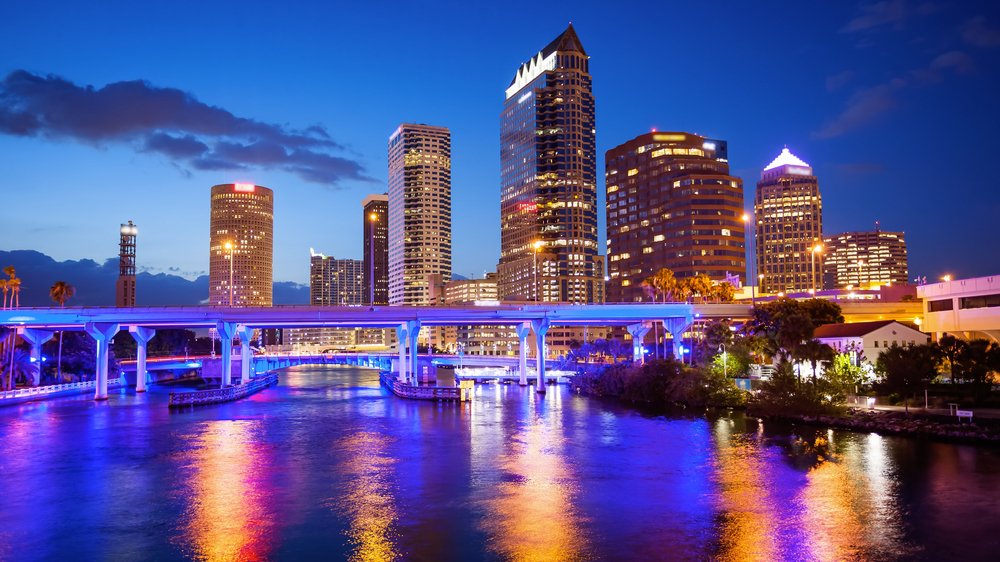
Florida’s mix of tourists, retirees, and commuters creates unpredictable driving environments. Visitors unfamiliar with roads collide with locals already frustrated by congestion. This mismatch of driving styles generates constant irritation. Add in heat and seasonal population spikes, and tempers flare fast.
Florida also reports a high number of aggressive tailgating and intentional brake-checking incidents. Many confrontations involve drivers exiting vehicles. The emotional volatility mirrors broader social tension in the state. Driving becomes an extension of that stress.
4. Arizona

Arizona’s road rage problem is often tied to rapid urban expansion, especially around Phoenix. Infrastructure hasn’t kept pace with population growth, leading to chronic congestion. Long stretches of highway driving encourage speeding and impatience. Drivers feel both rushed and trapped.
Extreme heat worsens irritability and fatigue, compounding aggression. Police departments report frequent incidents involving chasing and verbal threats. The sense of anonymity on wide roads emboldens risky behavior. What begins as frustration can quickly escalate into hostility.
5. New York
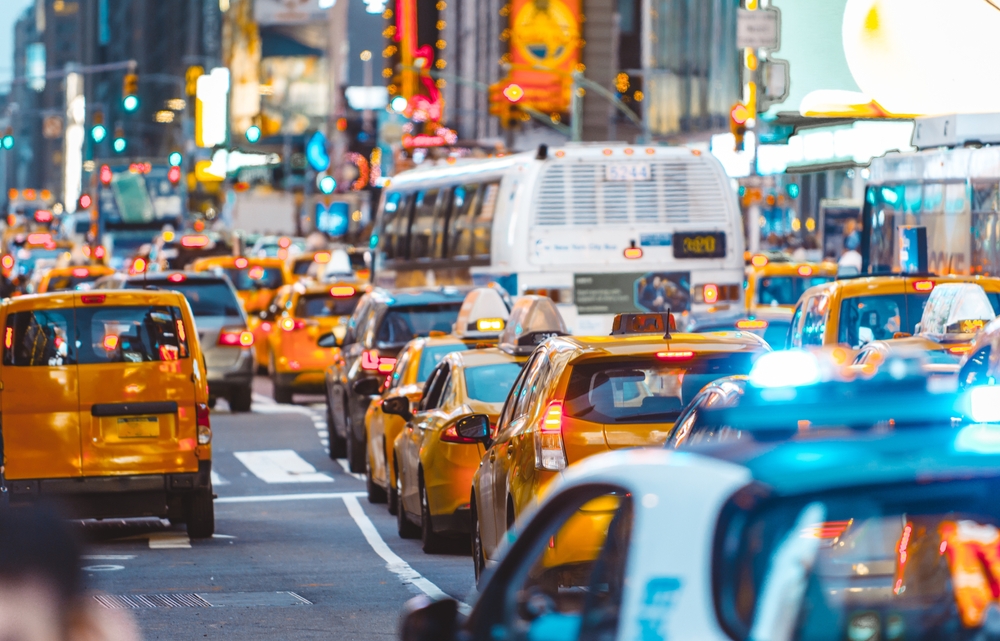
New York’s dense traffic conditions make aggression almost inevitable. Constant honking, lane competition, and gridlock create a pressure-cooker environment. Drivers develop defensive habits that often read as hostile. The pace of life bleeds into the driving experience.
While firearms are less common, confrontations are frequent and intense. Verbal altercations, vehicle blocking, and aggressive gestures dominate reports—stress rather than speed drives rage here. The city never slows down — neither do its drivers.
6. Pennsylvania
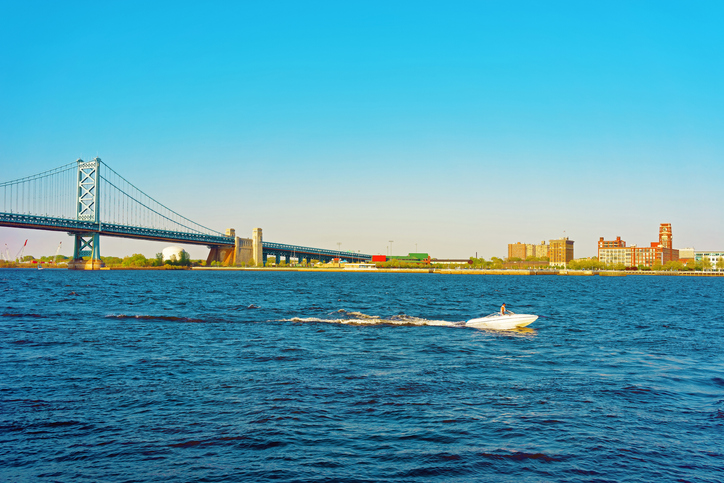
Pennsylvania has seen a sharp rise in reported road rage incidents over the past few years. Congested metro areas such as Philadelphia and Pittsburgh are combined with rural highways on which speeding is common. This contrast creates dangerous interactions. Drivers rapidly switch between aggression and complacency.
Gun-related road rage incidents have increased, raising concern among law enforcement. Many confrontations begin over merging disputes or tailgating. The unpredictability keeps drivers on edge. It’s a growing problem, not a fading one.
7. Georgia

Atlanta’s notorious traffic contributes to Georgia’s road rage statistics. Long commutes and sudden congestion spikes frustrate even patient drivers. Aggressive lane changes and high-speed weaving are common. The environment feels competitive rather than cooperative.
Road rage incidents often involve shouting, threats, and reckless pursuit. Police warn drivers to disengage rather than respond. The stress of daily congestion erodes emotional regulation. Over time, rage becomes normalized.
8. Ohio
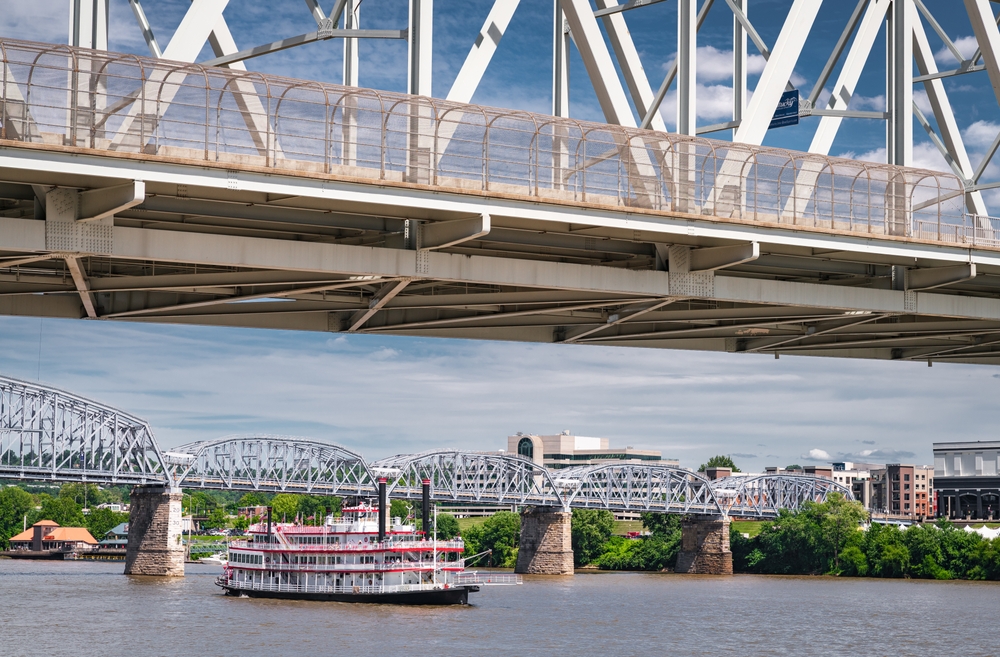
Ohio’s road rage issues often stem from suburban sprawl and highway-heavy commuting. Drivers spend long periods behind the wheel with little variation. That monotony breeds impatience and impulsive behavior. Small triggers feel larger than they are.
Reports frequently involve tailgating and intentional intimidation. The lack of consistent public transit increases dependency on cars. More driving means more friction. Rage fills the gap left by exhaustion.
9. Illinois
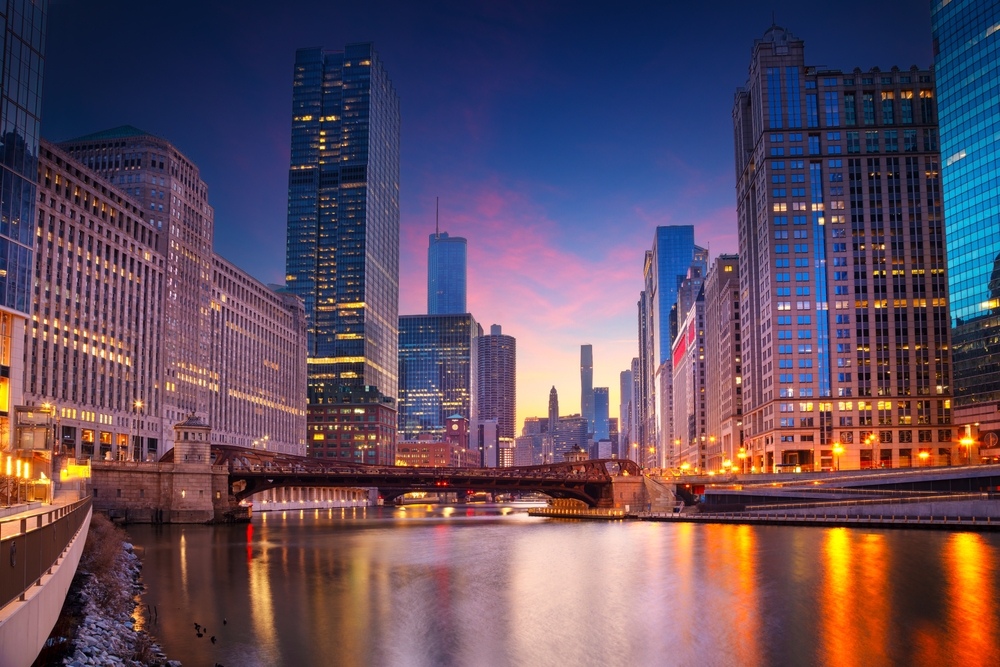
Chicago’s dense traffic and aggressive driving culture spill into surrounding areas. Drivers navigate constant construction, lane closures, and bottlenecks. Frustration builds quickly when routes change without warning. Tempers shorten under pressure.
Incidents often include verbal threats and unsafe maneuvering. The unpredictability of traffic patterns keeps drivers tense. When patience runs out, aggression fills in. The city’s energy shows up on the roads.
10. North Carolina
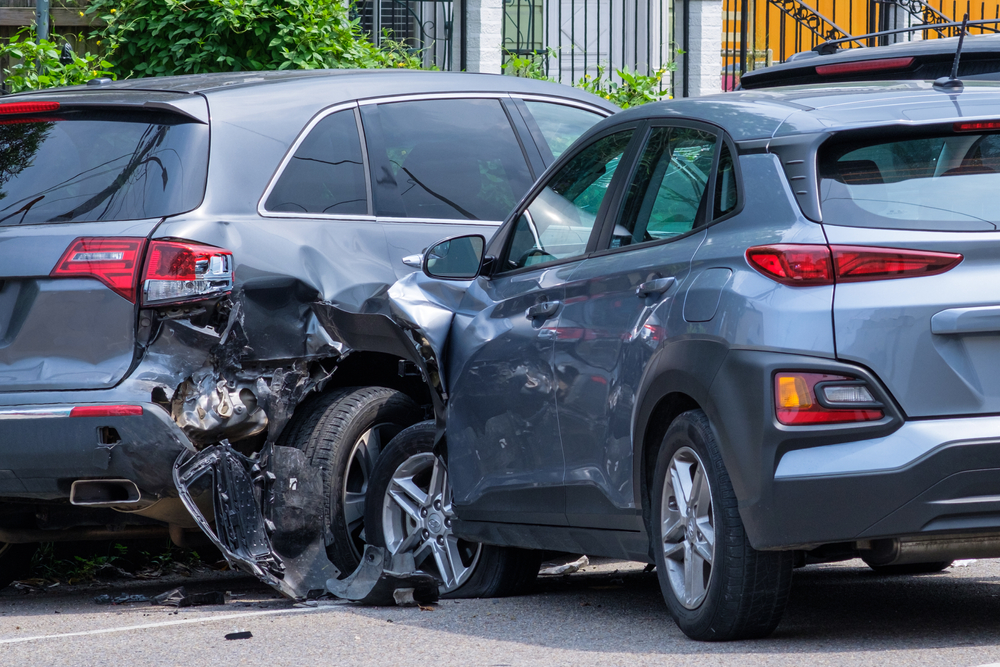
Rapid population growth has strained North Carolina’s road systems. New residents bring different driving habits that clash with local norms. Congestion has increased without sufficient infrastructure upgrades. Stress rises as commutes lengthen.
Road rage reports include aggressive tailgating and confrontations at intersections. The transition from rural to urban driving styles fuels conflict. Drivers feel crowded and misunderstood. That tension spills outward.
11. Michigan
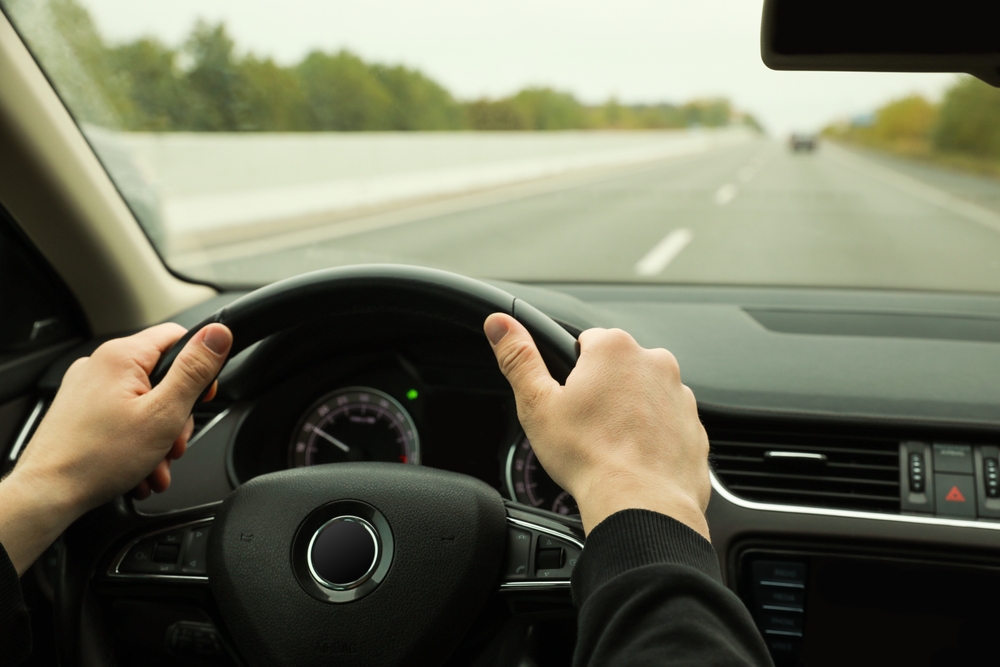
Michigan’s road rage incidents often involve aggressive responses to weather and road conditions. Winter driving stress carries into warmer months. Drivers develop defensive habits that translate into hostility. The emotional residue lingers.
Highway construction adds another layer of frustration. Lane closures and delays test patience daily. Rage emerges when control feels lost. Driving becomes emotionally charged.
12. Tennessee
Tennessee’s growing cities have seen spikes in aggressive driving incidents. Nashville’s rapid expansion has overwhelmed infrastructure. Drivers feel squeezed by unfamiliar traffic patterns. Stress replaces courtesy.
Incidents often involve honking, chasing, and verbal threats. The blend of tourists and locals creates friction. Expectations clash on the road. Rage fills the misunderstanding gap.
13. Colorado
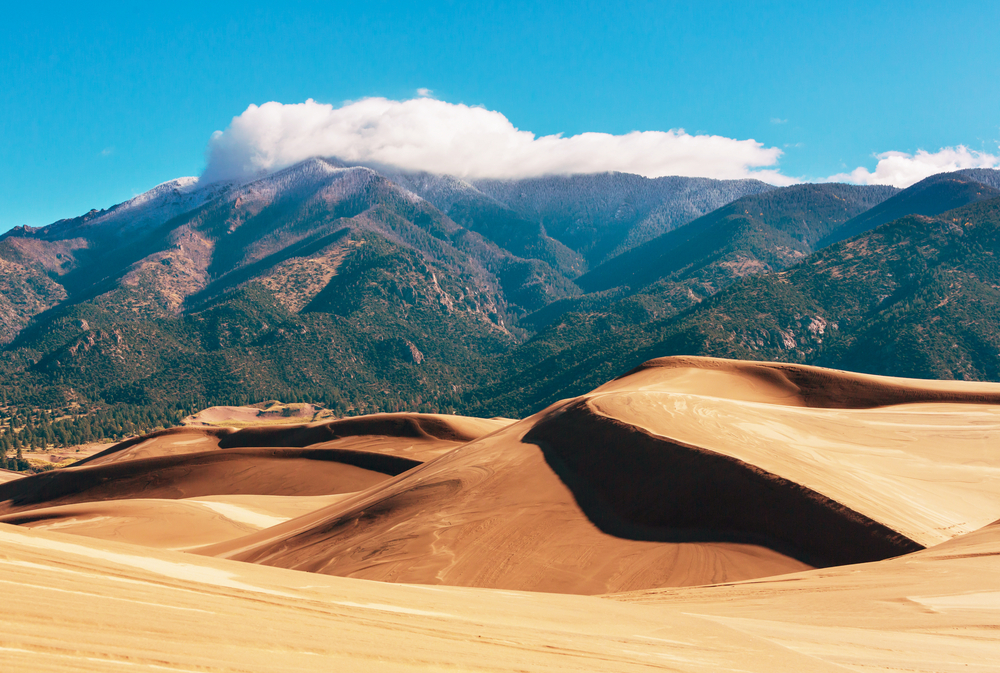
Colorado’s mix of mountain driving and urban congestion creates unique stressors. Sudden weather changes demand constant vigilance. Drivers feel overstimulated and fatigued. That fatigue lowers emotional thresholds.
Road rage incidents frequently involve speeding and intimidation. The contrast between scenic driving and stressful commutes fuels frustration. Drivers struggle to stay calm. Beauty doesn’t cancel stress.
14. Washington

Seattle’s traffic congestion and tech-driven work culture contribute to road rage. Long commutes and constant delays wear drivers down. Passive aggression often escalates into direct confrontation. Frustration simmers beneath politeness.
Incidents include blocking, honking, and unsafe passing. The tension between calm appearance and internal stress erupts unexpectedly. Rage hides until it doesn’t. The road becomes the outlet.
15. Nevada
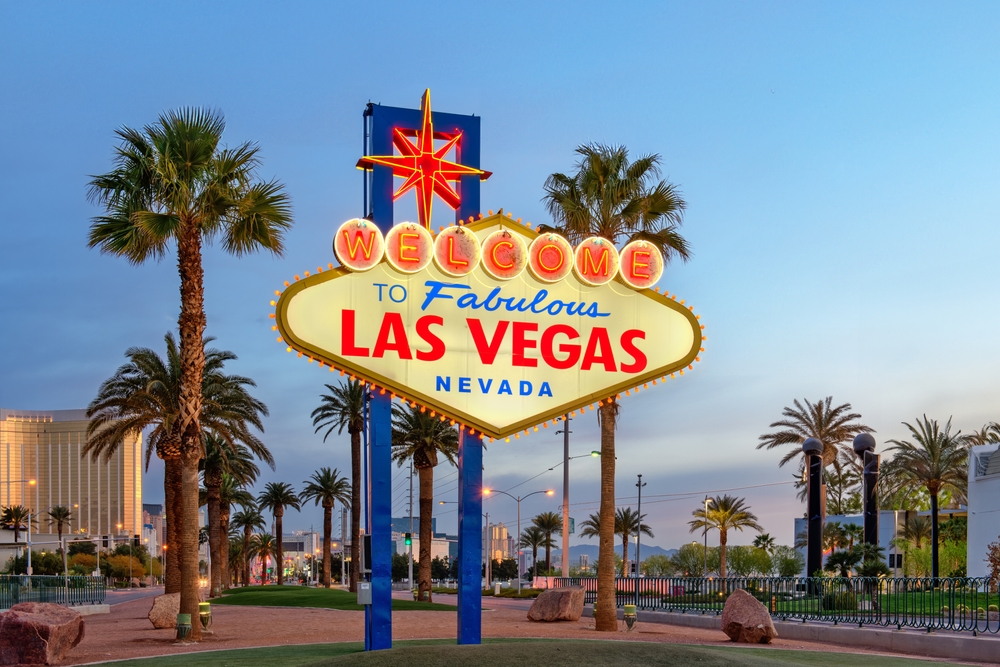
Nevada’s road rage issues center around Las Vegas’s constant flow of tourists and service workers. Drivers operate under high pressure and tight schedules. Unfamiliar drivers create unpredictable situations. Irritation escalates quickly.
Police report frequent confrontations near major routes. The combination of heat, crowds, and impatience fuels aggression. Driving feels competitive rather than cooperative. The result is volatility.


