
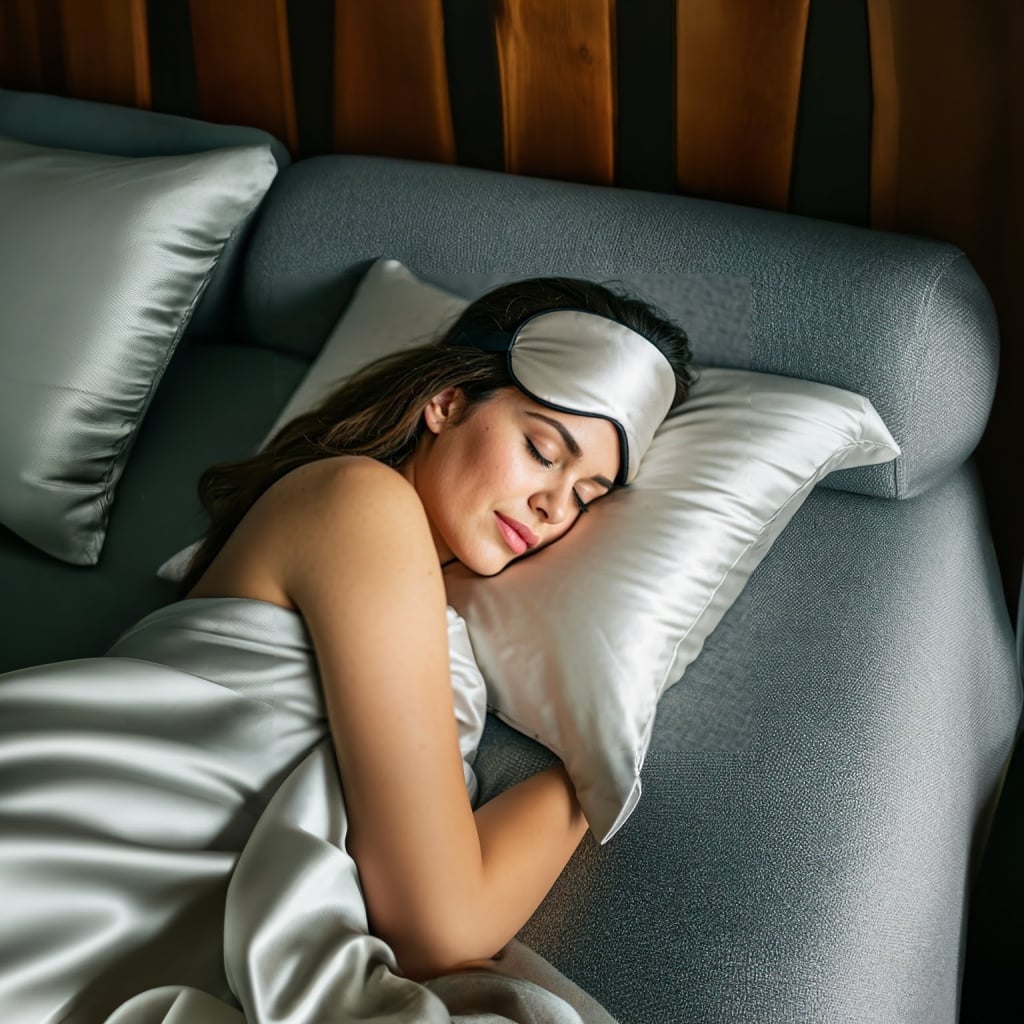
Looking younger usually comes from reducing the small, daily stressors that quietly age people faster than they realize. The difference shows up in posture, skin, energy, and how rested someone looks—not because they’re trying to look younger, but because their body is under less strain. These daily habits don’t work overnight, but over 90 days, they compound in ways people around you start noticing.
1. Go to Bed At the Same Time—Even On Weekends
Consistent sleep timing does more for how you look than most skincare routines ever will. When your body knows when to shut down and when to wake up, hormone regulation improves, inflammation drops, and your face tends to look calmer and more rested.
People who sleep inconsistently often show it in their eyes, skin tone, and posture long before they feel “tired.” A predictable sleep window gives your body a chance to repair itself nightly instead of constantly playing catch-up.
2. Eat Protein Early In The Day
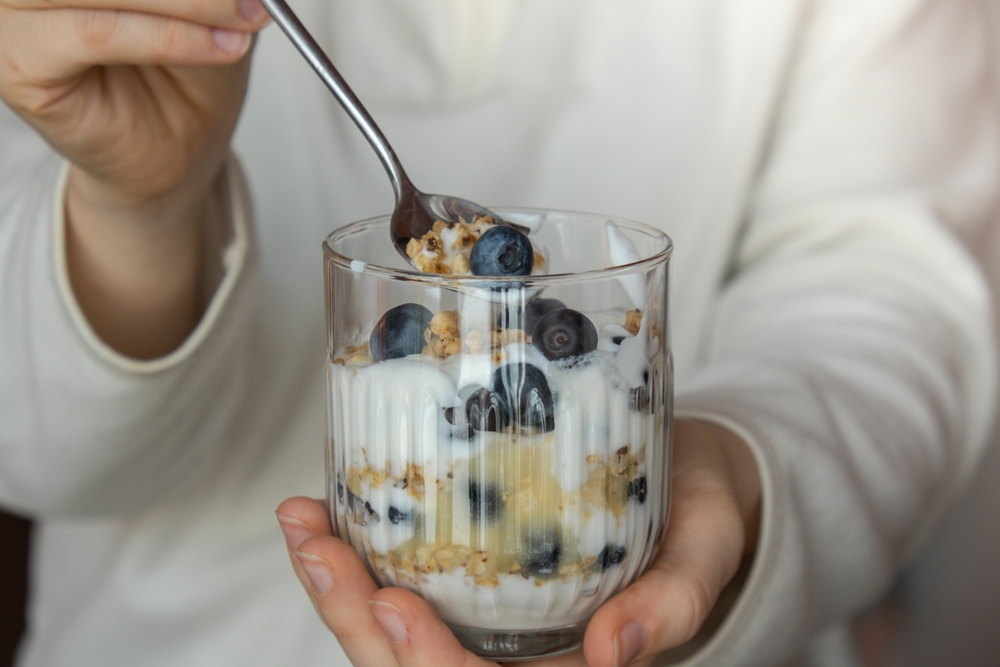
Starting the day with protein stabilizes blood sugar and reduces the cortisol spikes that contribute to puffiness, dull skin, and energy crashes. People who skip this often look more worn down by mid-afternoon, even if they’re otherwise healthy.
Research summarized in The American Journal of Clinical Nutrition shows that higher-protein breakfasts improve satiety, metabolic regulation, and muscle preservation—all factors linked to a more youthful appearance over time. This isn’t about dieting; it’s about giving your body structural support early instead of asking it to coast on caffeine.
3. Walk Every Day

Daily walking keeps joints fluid, circulation strong, and posture upright without stressing the body. It also reduces the kind of low-grade inflammation that shows up as stiffness, facial tension, and sluggish movement.
People who rely only on intense workouts often miss this benefit. Gentle, consistent movement keeps the body looking capable rather than strained, which reads as youthful almost immediately.
4. Don’t Use Your Phone at Night

Scrolling late into the evening disrupts melatonin production and delays deep sleep, even if you technically get enough hours. Over time, that shows up as under-eye darkness, dull skin, and a constantly wired-but-tired look.
Sleep researchers, including findings reported by Harvard Medical School, have consistently linked evening blue-light exposure to poorer sleep quality and accelerated visible fatigue. Putting the phone down earlier doesn’t just help you sleep—it helps your face look like it actually rested.
5. Drink Water Before Coffee

Starting the day hydrated changes how your body handles everything that follows. When you reach for coffee first, you’re stacking stimulation on top of dehydration, which often shows up as dry skin, tension headaches, and a jittery edge that lingers.
Drinking water first helps your body wake up without stress. Over time, that shows in softer facial lines, better digestion, and steadier energy instead of the sharp peaks and crashes that age people faster than they realize.
6. Strength Train—Even Lightly

Muscle loss is one of the fastest accelerators of visible aging, especially after 35. Strength training doesn’t have to be intense to matter, but it does need to be consistent. Muscle supports posture, balance, and metabolic health, all of which affect how youthful someone looks in motion.
Research published in The Journal of Gerontology shows that even moderate resistance training improves muscle mass, insulin sensitivity, and functional movement in adults as they age. People who maintain muscle tend to look more upright, capable, and energized—qualities we subconsciously read as youth.
7. Manage Stress Before It Manages You

Chronic stress ages people in subtle but unmistakable ways. Jaw tension, shallow breathing, furrowed brows, and restless energy all register visually long before someone labels themselves as “burned out.”
People who look younger over time usually have some daily outlet that releases pressure—whether that’s journaling, stretching, quiet mornings, or time alone. It’s not about eliminating stress; it’s about preventing it from settling permanently into the body.
8. Eat In A Way That Supports Your Skin

Highly processed foods can trigger inflammation that shows up in the face as redness, puffiness, and uneven tone. Over time, that inflammation contributes more to visible aging than weight changes do.
Dermatology and nutrition research, including studies referenced by the Cleveland Clinic, links diets rich in whole foods, healthy fats, and antioxidants to improved skin elasticity and tone. People who eat this way often look clearer and more rested, even without dramatic lifestyle changes.
9. Take Care of Your Teeth
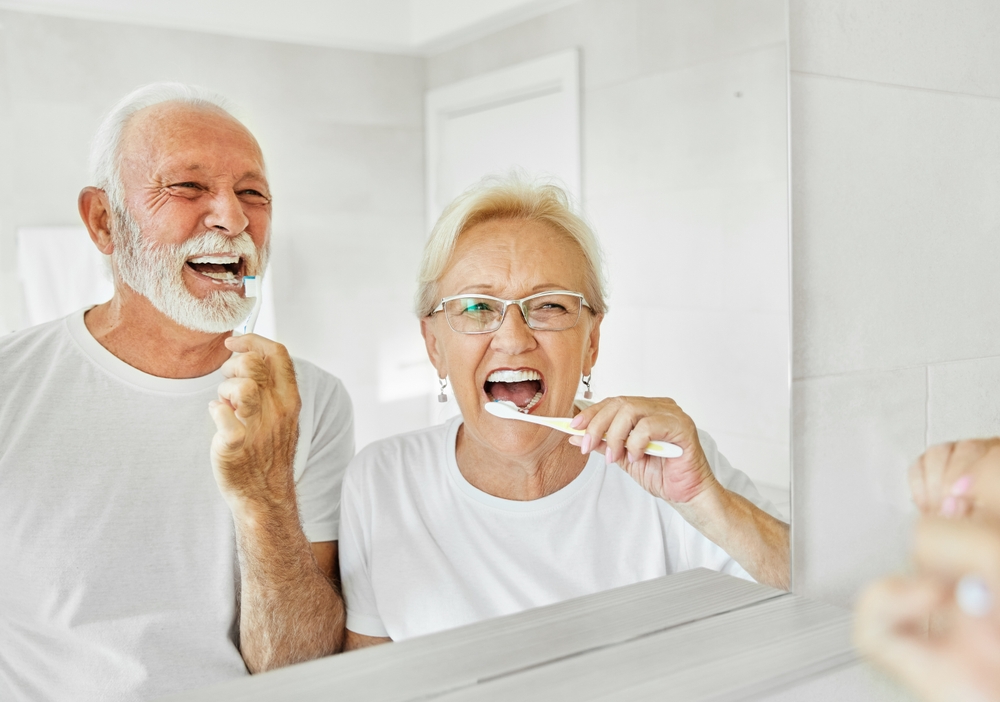
Teeth age people faster than almost anything else, and not just because of color. Gum health, alignment, and jaw tension all affect facial structure over time. People who floss, get regular cleanings, and deal with issues early tend to look noticeably younger, even if nothing else about them changes.
It’s also one of the few visible markers of health that doesn’t respond to shortcuts. Whitening helps, but consistency is what keeps your smile looking relaxed and natural instead of strained or neglected.
10. Get Outside Every Day

Natural light, fresh air, and visual distance do something screens can’t replicate. Even short daily exposure helps regulate circadian rhythm, lowers stress hormones, and improves sleep quality, which feeds directly into how rested and alert you look.
People who make a habit of stepping outside tend to carry less tension in their face and body. It’s subtle, but over 90 days, that reduction in strain adds up in ways no product can fake.


