

My neighbor Cynthia is 78 and looks about 60.
Not in a “work done” way. In a vital, alive way. Her skin has wrinkles. Her hair is gray. But her eyes are bright. Her movements are quick. Her laugh is loud.
And I finally asked her: what’s your secret?
She looked at me like I’d asked a ridiculous question. “I don’t have a secret. I just never stopped doing things.”
Which felt like a non-answer. Until I started paying attention.
Because Cynth (as I call her) walks to the store every day. She takes art classes. She argues about politics. She babysits her grandkids. She goes to concerts. She learns new things constantly.
She didn’t retire from life. She just retired from her job.
And I’ve started noticing this pattern in other retirees who seem to age in reverse. It’s not genetics. It’s not luck. It’s specific habits they’ve refused to abandon—even when retirement gave them permission to stop.
Here are the habits that seem to keep certain retirees younger than their age.
1. They’re Still Learning Things That Challenge Them
Not passive learning. Not just reading or watching documentaries.
Active learning. New skills. Things that require effort and frustration and practice.
Cynth takes pottery classes. My friend’s dad learned woodworking at 72. Another retiree I know is studying Spanish because she’s planning a trip to South America and refuses to be the tourist who doesn’t try.
Research on cognitive aging found that individuals who engage in novel, challenging learning activities in later life demonstrate significantly slower cognitive decline and better brain plasticity than those who engage only in familiar, comfortable activities.
They’re not coasting on what they already know. They’re still willing to be beginners. To struggle. To be bad at something before they get good.
And that keeps their brains young. Not just active—young. Because learning new things forces neural adaptation in ways that familiar activities don’t.
2. They Touch People And Let People Touch Them
I’ve noticed this with the retirees who seem youngest: they’re physically affectionate.
They hug. They hold hands. They put a hand on your arm when they’re talking to you. They’re comfortable with physical contact in a way that feels natural, not performative.
Cynth hugs everyone. Full hugs. Not the stiff, polite kind. The kind where you actually feel embraced.
And I’ve learned this isn’t trivial. Physical touch—especially as we age—affects everything from stress hormones to immune function. Studies show that regular physical affection is linked to lower blood pressure, reduced cortisol, and better overall health outcomes in older adults.
But more than that, it keeps you connected to your body. To other people. To the physical world, instead of retreating into isolation.
Retirees who seem to age in reverse haven’t stopped touching the world. They’re still in it, physically.
3. They Have A Project That Belongs To Them
Not a hobby. A project.
Something they’re building, creating, working toward. Something unfinished that gives them a reason to get up.
One retiree I know is restoring a vintage car. Another is writing a family history. Jean is working on a series of paintings she wants to exhibit someday.
These aren’t retirement activities to kill time. They’re meaningful pursuits that create a sense of purpose.
Research on purpose and longevity consistently shows that individuals with ongoing projects and goals demonstrate better physical health, lower mortality rates, and higher life satisfaction than those without forward-looking objectives.
Because purpose doesn’t retire just because you did. And retirees who stay young have figured out how to create purpose outside of work.
4. They Never Stopped Moving Their Bodies
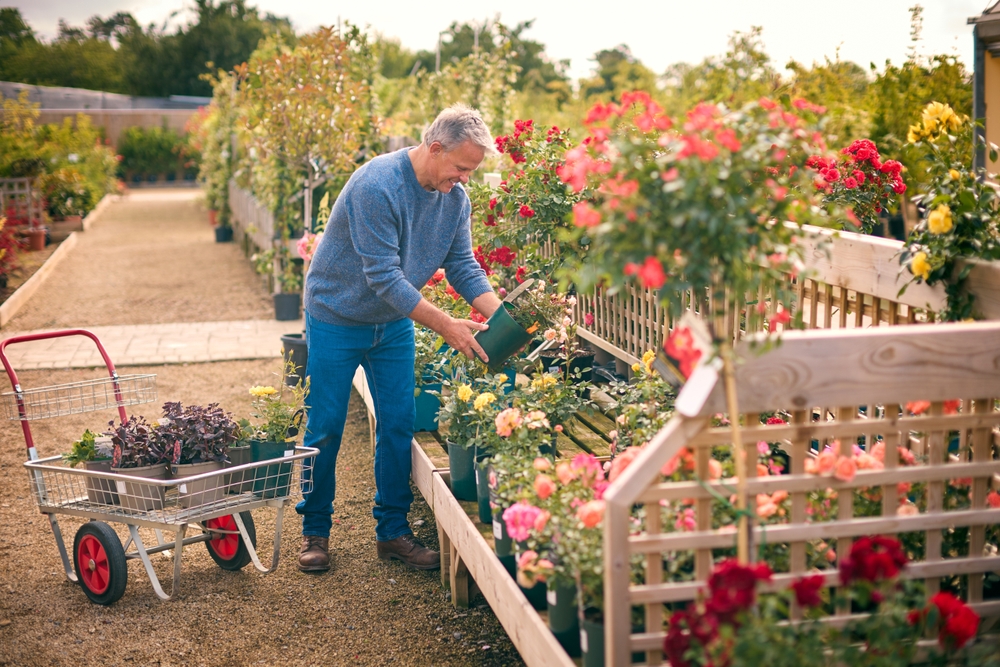
They walk places. They garden. They take stairs. They carry groceries. They move through the world instead of arranging their lives to minimize physical effort.
Cynth walks to the store even though she has a car. She takes the stairs even though there’s an elevator. She gets down on the floor to play with her grandkids and gets back up without help.
This isn’t about fitness routines or gym memberships. It’s about refusing to accept that age means avoiding physical challenge.
Studies on aging and mobility show that maintaining functional movement—activities that require balance, strength, and coordination in real-world contexts—is more predictive of healthy aging than structured exercise alone.
And I think this is key: they didn’t stop moving because they got older. They’re still moving, so they’re not getting older the same way.
5. They’re Still Useful To Someone
Not in a sad, desperate way. In a real way.
They babysit grandkids. They mentor younger people. They volunteer. They help neighbors. They contribute skills that matter.
Cynth tutors kids in reading twice a week. Another retiree I know runs a food bank. My friend’s grandfather repairs bikes for a community program.
They’re not just filling time. They’re needed. And that makes a difference.
Research on social contribution and aging found that older adults who engage in regular helping behaviors report better physical health, lower depression rates, and a greater sense of meaning than those who don’t.
Because being useful keeps you engaged. It gives you a reason to show up. It reminds you that you still matter in ways that aren’t just nostalgic or symbolic.
6. They Spend Time With People Younger Than Them
They’re not sequestered in age-segregated communities where everyone is 65+. They’re out in the world, interacting with 30-year-olds, 40-year-olds, and teenagers.
Cynth goes to art classes with people half her age. She talks to them. Learns from them. Stays current in ways that people who only socialize with their age group don’t.
And this matters more than it sounds. Intergenerational contact keeps you connected to the present. To new ideas. To a changing culture. It prevents the ossification that happens when you only interact with people who share your exact generational reference points.
Studies on social diversity and cognitive vitality show that older adults with age-diverse social networks demonstrate more flexible thinking and better adaptation to change than those with age-homogeneous networks.
You stay young partly by staying around young people. Not to try to be them. Just to remember that the world is still moving, and you can move with it.
7. They Laugh At Themselves Constantly
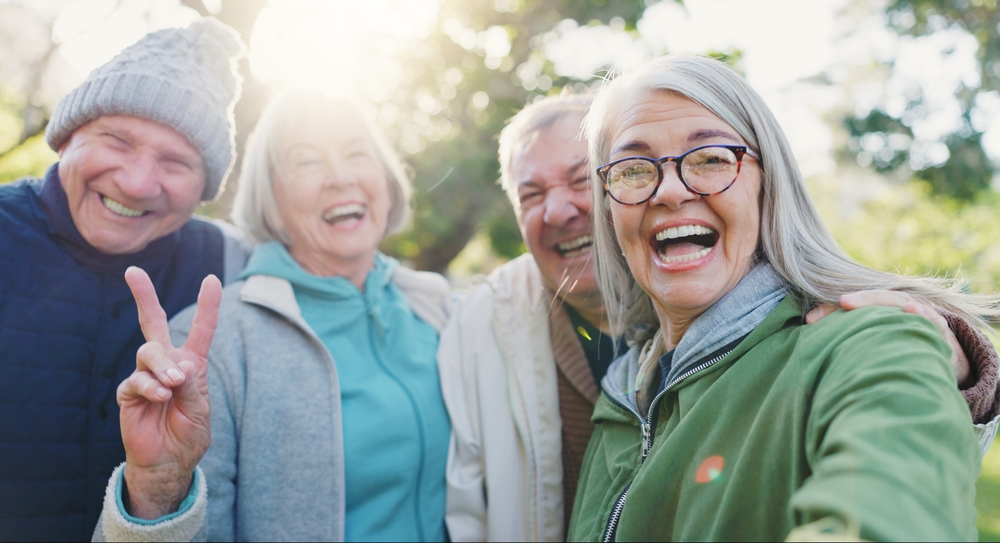
They don’t take themselves seriously. They tell stories where they’re the punchline. They make jokes about getting older instead of pretending it’s not happening.
Cynth forgot someone’s name mid-conversation the other day and just laughed. “I used to remember everything. Now I’m lucky if I remember what I had for breakfast.”
No shame. No embarrassment. Just acknowledgment and humor.
Research on humor and aging found that individuals who maintain self-deprecating humor and can laugh at age-related changes report significantly higher life satisfaction and lower anxiety about aging than those who avoid acknowledging aging or treat it seriously.
Because taking aging seriously makes it heavy. Laughing at it makes it bearable. And people who can laugh at themselves don’t carry the weight of trying to appear younger than they are.
They’re just aging. And it’s funny sometimes. And that lightness keeps them young in ways that Botox never could.
8. They Still Want To Know Things About The World
They read the news. They have opinions. They argue about politics. They know what’s happening.
They’re not checked out. Not dismissive of everything new. Not stuck in “back in my day” mode.
Cynth has strong opinions about current events. She reads multiple news sources. She gets into debates with people about what’s happening right now, not just reminiscing about what happened 40 years ago.
And this engagement matters. Because staying connected to the present keeps your brain active in ways that nostalgia doesn’t.
Studies on cognitive engagement and current events show that older adults who regularly consume and discuss news demonstrate better executive function and memory than those who disengage from current affairs.
They haven’t retired from the world. They’re still in it. Still paying attention. Still caring about what happens next.
9. They Protect Their Sleep
They don’t stay up late because there’s nothing to wake up for. They go to bed at reasonable times. They prioritize rest.
Cynth is in bed by 10 PM every night. Up by 6:30 AM. Consistent. No exceptions.
She knows sleep is when her body repairs itself. When her brain consolidates memories. When she recovers from the day.
Research on sleep and aging consistently shows that older adults who maintain consistent sleep schedules and prioritize sleep quality demonstrate better cognitive function, physical health, and emotional regulation than those with poor sleep habits.
And the retirees who seem youngest don’t treat retirement as permission to have chaotic sleep schedules. They treat it as an opportunity to finally sleep properly.
They’re not staying up watching TV because they’re bored. They’re going to bed because they have things they want to do tomorrow, and they need to be rested to do them.
10. They Haven’t Lost Touch With Physical Pleasure
They still enjoy food. Touch. Sunshine. Music. Beauty.
They haven’t become numb to sensory experience. They’re still present enough to feel things.
Cynth talks about meals like they matter. She sits in the sun because it feels good. She listens to music she loves. She pays attention to how things feel.
And this isn’t hedonism. It’s aliveness. It’s staying connected to the body you’re in instead of treating it like a vehicle you’re waiting to break down.
Studies on sensory engagement and quality of life in older adults found that individuals who maintain active sensory pleasure-seeking—enjoying food, nature, music, physical sensations—report significantly higher life satisfaction and lower rates of depression.
Because aging isn’t just about staying functional. It’s about staying present. And you can’t be present if you’ve stopped noticing what feels good.


