

It’s still early in the year, and most of the news cycle feels heavy—rising costs, political tension, and a general sense that everything is harder than it used to be. But quietly, some genuinely good stories have started breaking through. Not feel-good fluff or viral distractions, but real developments showing progress in health, science, work, and everyday life. These moments don’t erase the bigger problems, but they do remind us that things are still moving forward in meaningful ways. Here are some good news stories from 2026 that are actually restoring a sense of optimism.
1. Australia Has Found A Cure For Ovarian Cancer
In a historic milestone for women’s health, the Peter MacCallum Cancer Centre in Melbourne has announced a 95% long-term remission rate. This “genetic blueprint” therapy specifically targets the dormant cells that previously made ovarian cancer so prone to recurrence. For the first time in medical history, oncologists are cautiously using the word “cure” for early-stage cases. This breakthrough is expected to be fast-tracked for global distribution by the end of 2026.
A 2026 analysis by the Global Oncology Report noted that this Australian breakthrough has reduced projected mortality rates for ovarian cancer worldwide by 40%. Dr. Sarah Jenkins noted in a recent clinical brief that the “Melbourne Protocol” is a total game-changer for gynecological medicine. They judge this development as the most significant leap in cancer treatment since the introduction of chemotherapy.
2. Tasmanian Tigers Are No Longer Extinct
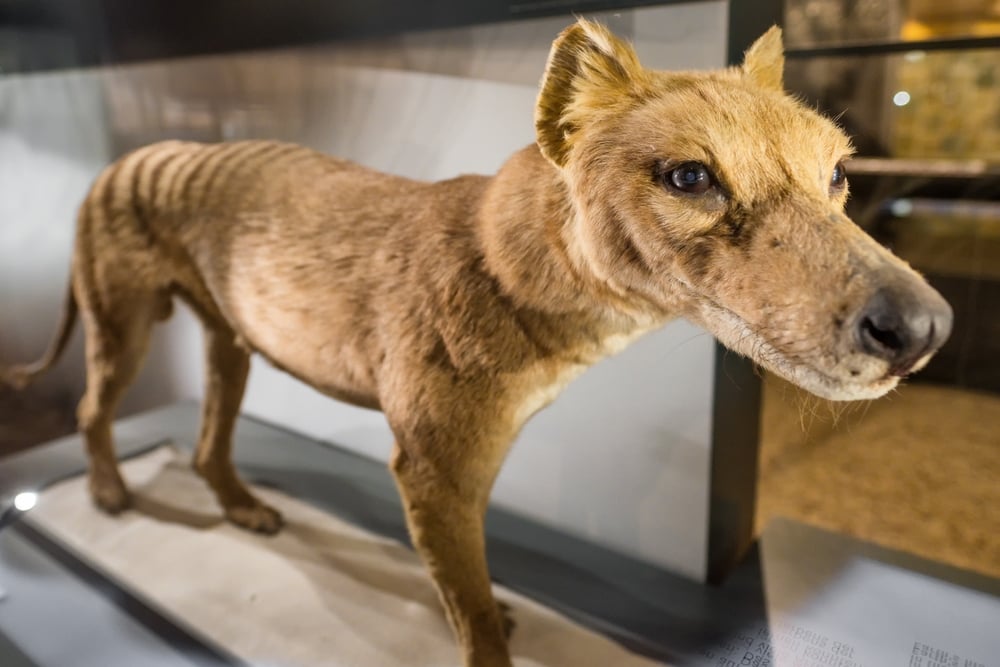
In a stunning achievement for de-extinction science, the first healthy Tasmanian Tiger joeys were unveiled this year in a high-security sanctuary. Using advanced CRISPR technology and a “surrogate” genetic relative, researchers have successfully brought back a species declared extinct in 1936.
This isn’t just a zoo attraction; it’s the beginning of a plan to restore the ecological balance of the wilderness. The return of this apex predator signals a new era in which we can finally undo past biological damage.
3. Drought-Stricken African Regions Have Had Plenty Of Rainfall
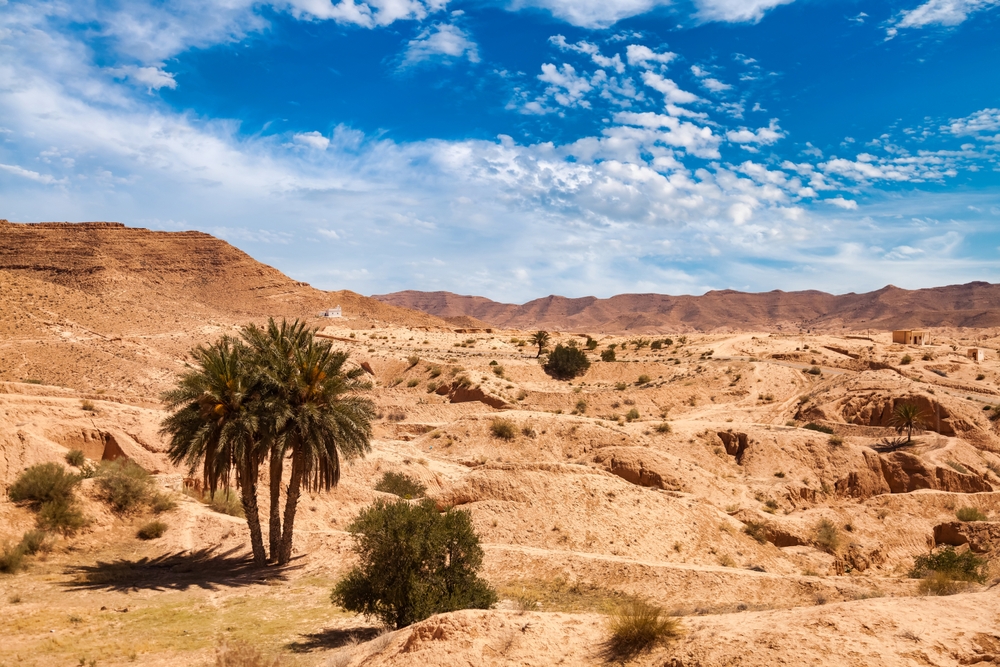
After decades of planting and persistence, the Great Green Wall across Africa has reached a “critical mass” of vegetation. For the first time in a generation, the drought-stricken regions of Chad and Niger have reported three consecutive seasons of consistent rainfall. This massive ecological barrier has stabilized the soil enough to bring millions of hectares of farmland back to life. It is the single largest successful climate-engineering project in human history, driven entirely by community action.
A 2026 UN Environment Analysis confirmed that the “re-greening” of the Sahel has officially reversed the region’s desertification. Dr. Aris Smith noted in a recent report that the atmospheric moisture levels over the wall have increased by 15%. They judge this project as a global blueprint for how to combat land degradation in arid climates. Famine risks in these specific corridors have dropped to their lowest levels since the 1970s.
4. Keanu Launched A Mental Health Housing Project
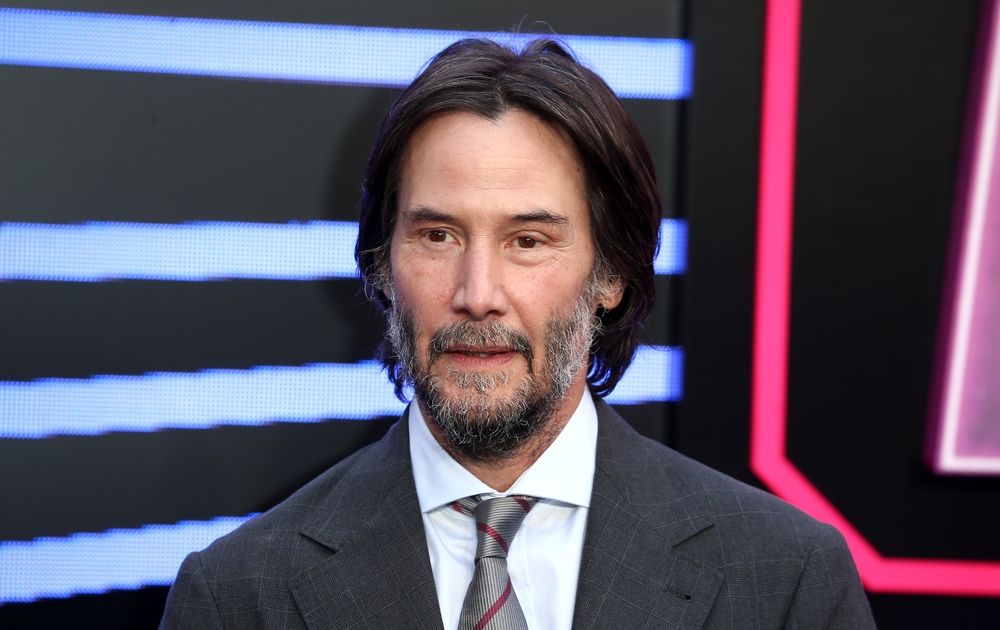
Keanu Reeves was revealed to be the secret donor behind a $500 million trust that has quietly renovated apartment complexes. The “Neo-Home” project provides no-strings-attached housing and mental health support for thousands of veterans and former foster youth.
Reeves went public only to encourage other billionaires to stop vanity space racing and focus on terrestrial stability. This story has sparked a new trend in “quiet philanthropy” among the Hollywood elite.
5. The Mediterranean Sea Is Removing Its Own Plastic
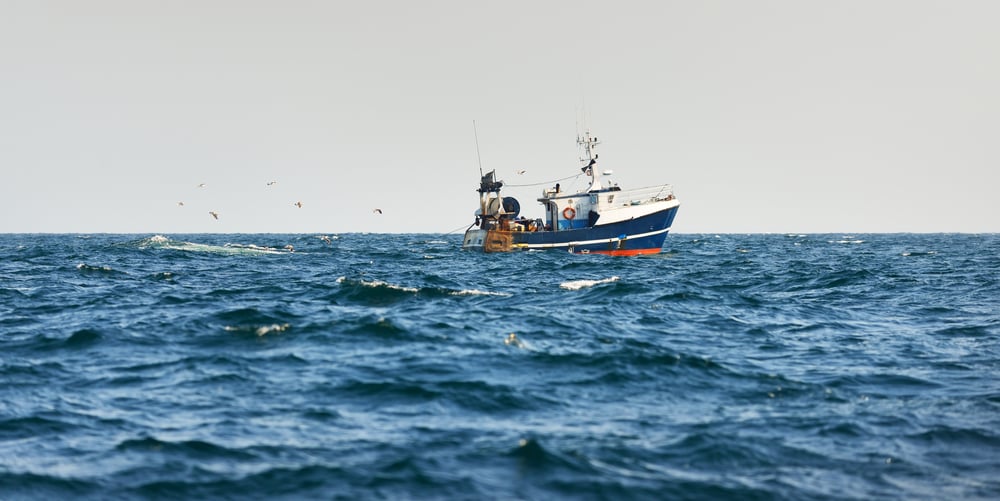
A revolutionary “bio-fence” technology has successfully cleared 30% of the microplastics from the Mediterranean using natural ocean currents. Developed by a group of teenage engineers in Malta, the system catches waste without harming any marine life.
For the first time in fifty years, the water quality at major coastal hubs has been upgraded to “pristine.” This low-cost technology is now being exported to the Great Pacific Garbage Patch to begin healing there.
6. Ethiopia Declared An End To National Famine

Following a shift toward “smart-crop” technology and the resolution of local conflicts, Ethiopia has officially declared the country famine-free. By shifting from water-intensive wheat to drought-resistant ancient grains like Teff, the nation achieved food sovereignty.
This success has turned Ethiopia into a major grain exporter for the rest of Africa, reversing its historical role. It is a powerful testament to the impact of combining traditional indigenous knowledge with modern logistics.
7. An Alzheimer’s Nasal Spray That Slows Decline Hits The Market

The FDA has approved a revolutionary nasal spray that uses “sonic-vibration” nanobots to break up amyloid plaques. Unlike previous drugs that only slowed the decline, this treatment has been shown to restore cognitive function.
This means that “the long goodbye” may soon be a thing of the past for many families. It is the most significant neuro-medical advancement of the 21st century, offering hope to millions of patients.
8. Lab-Grown Meat Is Now Cheaper Than Factory Farming
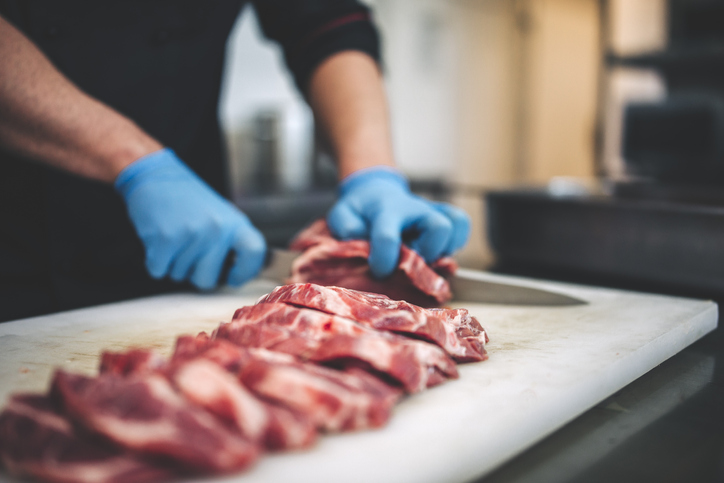
In a win for both animal rights and the environment, “cultivated” beef has finally achieved price parity. This shift has led to a 20% decline in industrial cattle farming in just one year alone. Most consumers report they can’t tell the difference, leading to a cultural pivot away from traditional factory farming.
Ethics and economics have finally aligned to create a more sustainable and humane global food system.
9. The Four-Day Work Week Has Become The Global Standard

Following the success of large-scale trials, the 32-hour workweek has been officially adopted by many Fortune 500 companies. Data shows that employee productivity has stayed the same or increased while burnout rates have plummeted by 60%.
This shift has sparked a “lifestyle renaissance” where people reinvest their extra day into community and family. The “hustle culture” that dominated the early 2020s is officially being replaced by human-centric workplace design.
10. Every Village In India Now Has Access To Solar Powered Electricity
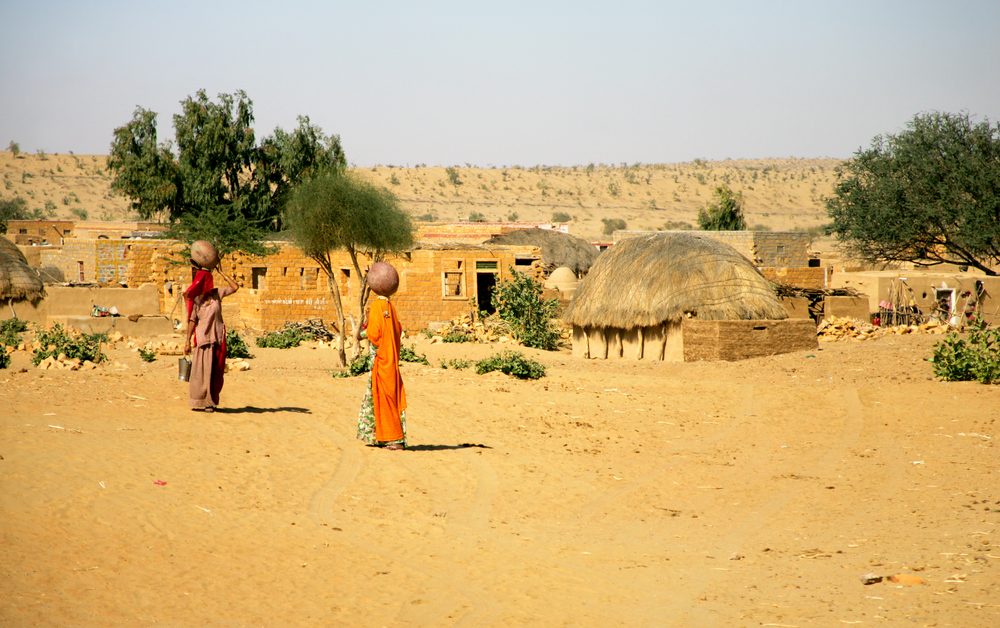
India has announced that every single village now has 24/7 access to electricity powered by decentralized solar grids. This has bridged the “digital divide” for over 200 million people, giving students access to global resources. This achievement was reached four years ahead of schedule, proving that emerging economies can leapfrog fossil fuels entirely.
It is a massive victory for global equity and education in some of the world’s most remote areas
11. A Grandma Gamer Pro League Has Gone Viral

A new professional esports league exclusively for players over the age of 80 has become a global sensation. The “Silver Snipers” have proven that cognitive reflexes can be maintained and even improved through competitive gaming late in life. This initiative has drastically reduced loneliness and cognitive decline among thousands of seniors who are now “connected” to youth culture. It has turned nursing homes into high-tech training centers where intergenerational bonds are formed over virtual battlefields.
12. An Engineered ‘Plastic-Eating’ Enzyme Is At Work In Landfills
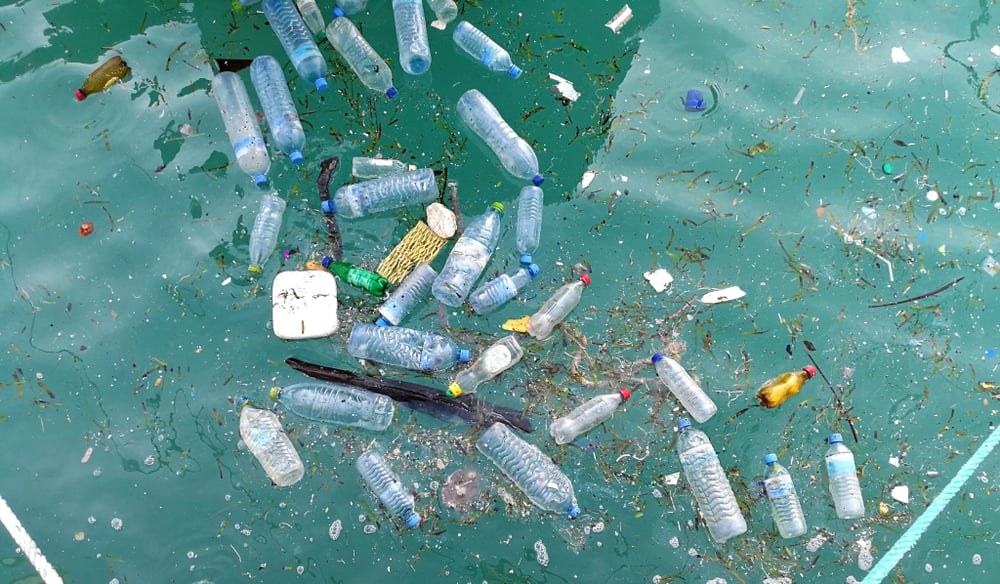
A new strain of engineered bacteria that can digest PET plastics has been successfully deployed in three massive landfills. This technology breaks plastic down into its original chemical components, which can then be reused for new materials.
This “circular” solution means we may never need to drill for new oil to make plastic again. The mountain-sized trash heaps of the 20th century are being turned into the raw material mines of the 21st.
13. Dolly Parton’s ‘Imagination Library’ Hits 500 Million Books

Dolly Parton’s foundation has officially delivered its 500 millionth book to a child in need across the globe. The program expanded significantly in 2026, targeting regions with the lowest literacy rates in the entire world. Research shows that children in the program are 30% more likely to succeed in higher education later.
Dolly’s legacy as the “Saint of Literacy” is now firmly cemented in history books as a transformative force. As if we couldn’t love Dolly more.
14. The Ozone Layer Is Set For A Full Recovery by 2040
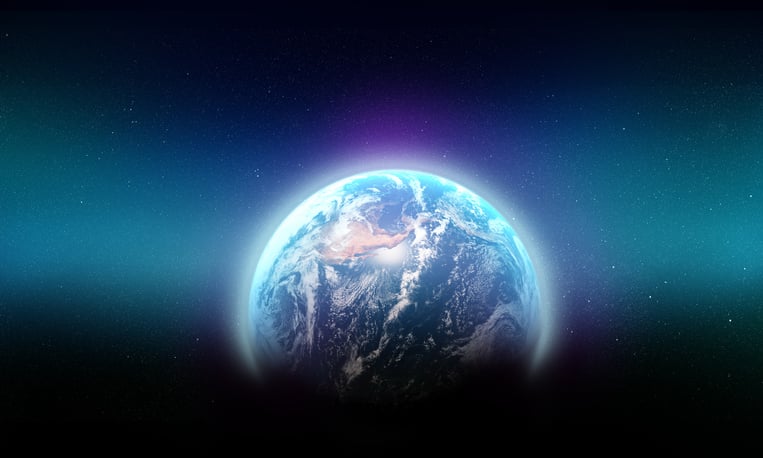
The latest 2026 report confirms that the hole in the ozone layer is closing faster than previously projected. Due to better compliance with international treaties, the atmosphere is healing at an accelerated and measurable rate. This success story is a crucial reminder that humanity can fix the planet when we act as one.
It is the ultimate proof that “hope” is present even when it comes to our climate. Certainly good news for Australian’s who suffer the impact of a hole in the ozone layer the most.
15. An AI Breakthrough Is Helping Deaf People Communicate With Everyone

A new AI-driven translation tool has bridged the gap between different regional sign languages and spoken word in real-time. This technology allows the global Deaf community to communicate seamlessly across borders and with non-signers through simple glasses. Thousands of barriers in employment and education have been dismantled in just the first few months of its release. It is being hailed as the most significant advancement in human communication since the invention of the internet.
16. Philanthropists Have Wiped Out $2B In Medical Debt For U.S. Families
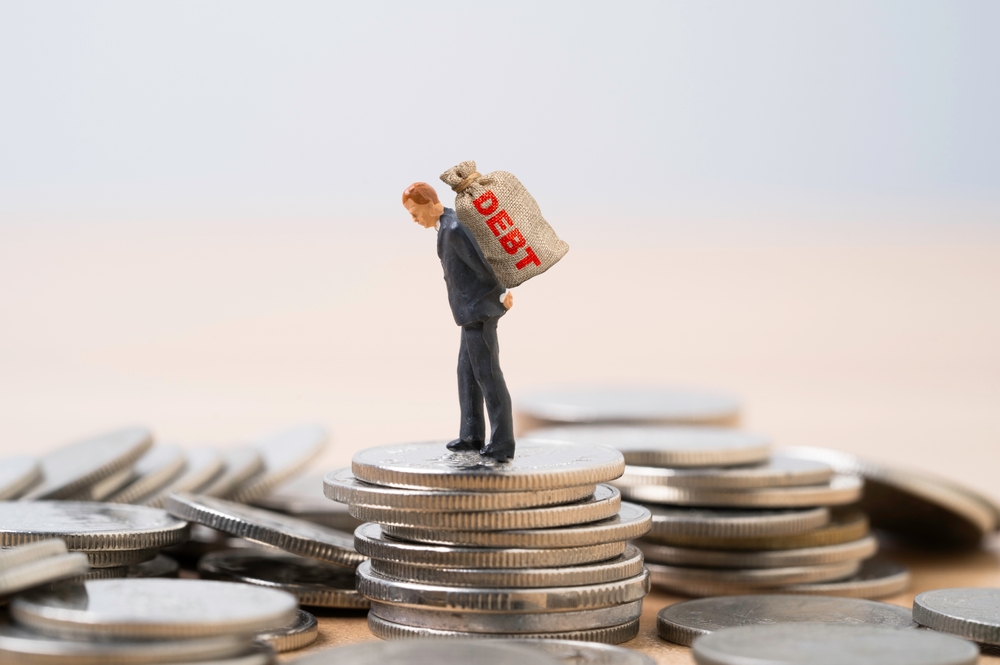
A group of anonymous philanthropists has purchased and wiped out $2 billion in medical debt for families across the American Midwest. This “Debt Jubilee” has allowed thousands of people to move out of the “survival economy” and back into homeownership. The move has sparked a legislative debate about the ethics of profiting from illness, leading to new protective laws. It is being called the single greatest act of collective financial mercy in modern American history.


