

Storing items under the kitchen sink seems like a no-brainer until you realize it can cause more harm than good. While it’s tempting to treat this area as a catch-all for household essentials, certain items simply don’t belong there, either due to safety concerns, potential damage, or the risk of creating chaos. This space is often dark, damp, and teeming with pipes that can spring leaks unexpectedly. Here are 13 things you should never store under the kitchen sink, along with reasons that will make you rethink your storage habits.
1. Paper Products
Storing paper towels and other paper products under the sink might seem convenient, but it’s a gamble against water damage. The area is prone to leaks, and paper quickly absorbs moisture, leading to mold and a mess that can ruin your supplies. A study from the University of Arizona highlights how damp conditions can accelerate the growth of bacteria and mold on organic materials like paper. Keeping paper products away from potential water hazards ensures they remain dry and usable.
A better spot for your paper products would be a pantry or a high shelf that remains dry and away from the chaos of plumbing. This also helps with accessibility, as you won’t have to rummage through cleaning supplies to find a fresh roll of paper towels. Moreover, placing paper products in a more visible spot can remind you to restock before you run out. By reorganizing storage, you’re also keeping your kitchen a more hygienic and organized space.
2. Electrical Appliances

You might think that stowing a hand mixer or other small appliance under the sink is a smart use of space, but think again. The combination of electrical items and potential water exposure is a recipe for disaster, posing both safety risks and potential damage to your gadgets. A short circuit or electrical fault could occur if water leaks onto electrical appliances, not to mention the increased risk of corrosion on metal parts. It’s vital to prioritize safety and functionality by keeping such items away from this moisture-prone area.
Instead, store your electrical appliances in a dry cabinet or a dedicated shelf. This not only prolongs their lifespan but also keeps them easily accessible for when culinary inspiration strikes. Plus, it prevents the frustration of discovering your favorite kitchen tool has been compromised due to improper storage. By ensuring your appliances have a designated, safe home, you’re investing in their longevity and your safety.
3. Pet Food

Storing pet food under the kitchen sink might seem convenient, but it’s a decision that could attract pests like rodents and insects. The dark, damp environment is a breeding ground for these unwanted guests, who are attracted to the scent and easy access of pet food. Dr. Michael Potter, an entomologist at the University of Kentucky, advises that food storage areas should be dry and off the floor to minimize pest risks. Keeping pet food under the sink contradicts this advice and increases the likelihood of infestation.
To ensure your furry friend’s food is safe and fresh, it’s wise to store it in a sealed container in a dry, elevated space. This not only protects the food from pests but also helps retain its nutritional quality. An airtight container preserves freshness and flavor, ensuring your pet always has the best. By taking a little extra care in where you store pet food, you’re safeguarding both your home and your pet’s health.
4. Cleaning Supplies with Ammonia and Bleach

Combining ammonia and bleach is a well-known no-no due to the toxic fumes they produce, but storing them together can be just as dangerous. Under the sink, these chemicals can accidentally mix if containers leak or spill, creating a hazardous environment. The risk is not only to your health but also to the integrity of your home, as fumes can permeate other stored items. A better approach is to keep these potent cleaners stored separately and clearly labeled to avoid any mishaps.
Consider designating different areas for various cleaning supplies to ensure they remain safely segregated. An organized cleaning caddy can facilitate easy access when needed, reducing the chances of accidental mixing. This practice not only protects your home from chemical hazards but also streamlines your cleaning routine. Ensuring safe storage of cleaning chemicals is an essential step toward a safer, more organized home.
5. Flammable Items

Many people don’t realize that some household items, like aerosol cans and certain cleaning agents, are highly flammable and should never be stored under the sink. The space is often cluttered and poorly ventilated, increasing the risk of heat buildup, which could ignite these items. According to the National Fire Protection Association, improper storage of flammable items is a common cause of household fires. Keeping these products in a cool, dry place away from any potential heat sources is essential for safety.
Opt for a well-ventilated cabinet or pantry shelf to store flammable items safely. This minimizes the risk of accidental ignition and ensures that your cleaning routine doesn’t inadvertently turn dangerous. Moreover, it helps you keep track of flammable substances and manage your inventory responsibly. By consciously organizing storage spaces, you’re not just protecting your home but also ensuring peace of mind.
6. Valuable Documents

Keeping important documents like birth certificates or property deeds under the kitchen sink is a recipe for disaster. The area is susceptible to water damage and is one of the last places you’d want to store irreplaceable paperwork. Moisture can cause these documents to warp, smear, or become illegible over time, risking potential bureaucratic headaches. It’s crucial to prioritize the protection of such documents by storing them in a safe, dry place.
A fireproof and waterproof safe or a dedicated filing cabinet in a dry room is the ideal home for your critical paperwork. This not only ensures that your documents remain intact and legible but also provides quick access when needed. Having a well-organized system for your important papers also simplifies your life, making it easier to track down documents in an emergency. By investing in proper storage, you’re safeguarding your documents and your peace of mind.
7. Kitchen Linens

Storing kitchen linens, like dish towels and cloth napkins, under the sink can compromise their cleanliness and longevity. This space is often damp and a magnet for germs, which can easily transfer to fabrics. Dr. Charles Gerba, a microbiologist from the University of Arizona, notes that moist environments can harbor bacteria, affecting any fabrics stored there. To keep your linens fresh and hygienic, it’s best to store them in a dry, well-ventilated area.
Consider allocating a drawer or a shelf in your pantry for kitchen linens to ensure they remain clean and ready to use. This approach not only prolongs the life of your fabrics but also keeps them free from unpleasant odors and potential contamination. Organizing your linens in a dedicated space can also streamline your kitchen routine, making it easier to access fresh towels and cloths as needed. By relocating them, you’re ensuring a cleaner, more efficient kitchen environment.
8. Spices and Seasonings

While it might seem convenient to store spices and seasonings under the sink, the fluctuating temperature and humidity levels can compromise their quality. Spices are sensitive to light, heat, and moisture, which can cause them to lose their potency and flavor over time. The damp environment under the sink accelerates this degradation, leaving you with a less-than-fresh spice collection. For optimal flavor, it’s essential to store spices in a cool, dry, and dark place.
A dedicated spice rack or a pantry shelf is ideal for maintaining the quality and flavor of your seasonings. This not only preserves their freshness but also makes them easily accessible when you’re cooking. Organizing spices in a visible and orderly manner can also inspire culinary creativity, encouraging you to experiment with new flavors. By storing spices properly, you’re enhancing your cooking and ensuring that every meal is full of vibrant taste.
9. Unopened Bottles of Wine

The kitchen sink might not seem like a bad place for a bottle of wine, but temperature fluctuations can spoil the fun. Wine is sensitive to changes in temperature and should be stored in a consistent, cool environment to preserve its flavor and aroma. The under-sink area, with pipes and potential leaks, creates a less-than-ideal microclimate for wine storage. To keep your wine in top condition, it’s better to choose a wine rack or a designated wine fridge.
By storing wine in a cooler, stable environment, you’re protecting its quality and ensuring that each bottle is enjoyed at its best. Proper wine storage also elevates your home bar, making it easier to find the perfect pairing for your meal. Additionally, organizing your wine collection can enhance your entertaining capabilities and impress your guests. Investing in proper wine storage is a must for any enthusiast looking to enjoy every bottle to its fullest potential.
10. Fresh Produce
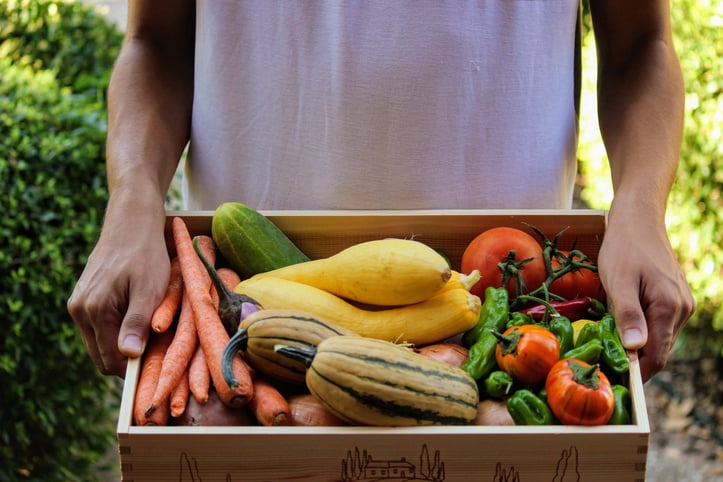
Stashing fresh produce under the kitchen sink is a surefire way to shorten its shelf life and diminish its quality. The area is often too humid and dark, which can accelerate spoilage and encourage mold growth on your fruits and vegetables. This not only leads to waste but also diminishes the freshness and flavor of your produce. For long-lasting quality, it’s essential to store fresh produce in a cool, dry, and well-ventilated area.
A dedicated produce basket or a refrigerator crisper drawer is ideal for keeping your fruits and vegetables fresh and full of flavor. This setup helps maintain the right balance of humidity and temperature, ensuring that your produce stays crisp and delicious. By organizing your produce storage, you’re also more likely to use it before it spoils, reducing waste and saving money. Proper produce storage is key to maintaining a healthy and eco-friendly kitchen.
11. Baby Supplies

Keeping baby supplies like bottles, formula, or pacifiers under the kitchen sink can expose them to harmful bacteria and moisture. The damp environment makes it easy for germs to spread, compromising the cleanliness and safety of items meant for your little one. Babies are particularly susceptible to illness, making it crucial to store their supplies in a sanitary and controlled environment. For the health and safety of your child, it’s best to choose a dedicated space for baby supplies.
Consider using a specific cabinet or drawer for storing baby items to keep them clean and easily accessible. This not only helps maintain hygiene but also streamlines your routine, making it easier to grab what you need when you need it. An organized baby supply area can reduce stress and ensure that every feeding or diaper change goes smoothly. By prioritizing proper storage for baby items, you’re taking an important step in safeguarding your child’s health.
12. Paint and Chemicals

Storing paint and other household chemicals under the sink is risky business, as it can lead to spills and dangerous chemical reactions. The confined space, combined with potential leaks and inadequate ventilation, poses a safety hazard. Chemicals can react with each other or with moisture, creating fumes or even fire risks. To keep your home safe, it’s vital to store these items in a cool, dry, and well-ventilated area.
A garage or a designated storage closet with proper ventilation is a better option for keeping paint and chemicals. This not only prevents accidents but also ensures that these products remain effective over time. Organizing your chemical storage also allows you to easily keep track of your supplies and avoid unnecessary purchases. By choosing the right storage solutions, you’re contributing to a safer and more efficient household.
13. Cleaning Rags

Cleaning rags stored under the sink are at risk of becoming breeding grounds for bacteria and unpleasant odors due to the damp environment. Moisture lingers in the fabric, creating an ideal setting for germs to multiply between uses. This not only reduces the effectiveness of your cleaning efforts but also poses a health risk to your household. To maintain cleanliness and hygiene, it’s essential to store cleaning rags in a dry, well-ventilated area.
Hang rags to dry between uses or designate a laundry basket or bin specifically for them. This helps ensure they remain free from moisture and odors, allowing you to tackle cleaning tasks with confidence. An organized system for cleaning rags also makes it easier to rotate them and keep track of when they need laundering. By storing cleaning rags properly, you’re ensuring a fresher, more efficient cleaning routine.


