

Having houseplants feels like a rite of passage for adulthood. They add life to your space, purify the air, and even improve your mood. But while you fuss over your fiddle leaf fig or mother-in-law’s tongue, your pantry may be hiding an embarrassing secret: relics of culinary pasts long gone. It’s time to face the music and discover what in your pantry predates your beloved green friends. Here are 13 things lurking in the back of your pantry that are definitely older than your houseplants.
1. Expired Spices
Spices are the unsung heroes of the kitchen, but they don’t last forever. If you’ve ever pulled out a jar of oregano only to find it smells like dust, you’re not alone. According to Spice and Herb Expert Dolf De Rovira of Flavor Dynamics, spices can lose their potency after two to three years, depending on how they’re stored. So, that vintage paprika you’ve been hoarding since your college days? Its time has long passed, and it’s time to let it go for fresher, more vibrant versions. Store them in a cool, dry place, and remember to date your jars for future reference.
You might be surprised to learn that ground spices lose their flavor faster than whole spices. Ground versions offer more surface area exposed to air, light, and humidity, speeding up the degradation process. Whole spices, like cinnamon sticks or peppercorns, fare better over time because they retain their essential oils longer. Next time you’re at the store, consider buying whole spices and invest in a good grinder. Your dishes—and your taste buds—will thank you.
2. Forgotten Canned Goods

Canned foods are a godsend for busy weeks, providing easy access to vegetables, beans, and more. But how many of us have a can of something we can’t remember buying? Despite their longevity, canned goods do have expiration dates. While they don’t spoil in the same way fresh foods do, the quality and nutritional value degrade over time. If you’re holding onto a can of creamed corn from five years ago, it’s probably time to part ways.
When scanning your pantry, check the cans for bulges or rust, which are signs they should be tossed. Even without these indicators, a can well past its prime might have lost its appeal in texture and taste. If you’re unsure about the date, most cans have a best-by date printed somewhere on them. Remember, just because it can technically last forever doesn’t mean it should. Keep your pantry stocked with items you’ll actually use, and rotate them regularly to avoid waste.
3. Ancient Cooking Oils

Cooking oils are a staple in any kitchen, but they’re often overlooked when it comes to pantry purging. Most people don’t realize that oils can turn rancid if kept too long. According to food scientist Kantha Shelke, oils like olive and vegetable should ideally be used within six months to a year after opening. Rancid oil not only spoils the flavor of your food but can also produce harmful free radicals. If you can’t remember when you bought that bottle of canola oil, it’s best to start fresh.
Storing oils properly can prolong their shelf life. Keep them in a cool, dark place, and always make sure the cap is screwed on tight after use. Some oils, like flaxseed and walnut, are particularly sensitive and fare better in the refrigerator. If you’re using oils infrequently, consider buying smaller bottles to reduce waste. After all, fresh oil enhances the taste of your meals, so it’s worth the little extra effort to keep it fresh.
4. Mystery Condiments

Condiments can make or break a meal, but they often end up forgotten at the back of the fridge. It’s easy to lose track of how long that jar of pickles or bottle of hot sauce has been sitting there. While many condiments have preservatives that extend their shelf life, they still have a limit. Unearth that jar of salsa and give it a sniff—if it smells off, it probably is. Clear some space by tossing anything that’s expired or you’re unlikely to use.
Make a habit of rotating your condiments to keep them fresh and accessible. Once opened, many should be refrigerated and consumed within a few months for optimal taste. Don’t overlook those half-used bottles lurking in the door compartments. They can harbor bacteria if not stored properly. Regularly check the expiration dates and use up those condiments before they become a science experiment.
5. Stale Baking Supplies

Baking supplies like flour, baking powder, and yeast are pantry essentials that can easily slip past their prime. According to the American Institute of Baking, flour can last up to a year when stored in a cool, dry place. However, once opened, flour can absorb moisture and odors, affecting its quality. Meanwhile, baking powder and baking soda lose their leavening power after about six months. If your cookies aren’t rising like they used to, stale ingredients might be the culprit.
To keep your baking supplies fresh, store them in airtight containers. This will protect them from moisture and other pantry odors. For yeast, refrigeration can extend its life, but always check for an expiration date. Some people opt to freeze flour to prolong its shelf life, but remember to bring it to room temperature before using. Fresh supplies mean better results, so don’t let outdated staples hold back your baking potential.
6. Outdated Grains and Pasta

Grains and pasta are pantry staples that seem like they could last forever, but they don’t. Over time, they can become stale or even infested with pantry pests. If you’ve had a bag of rice or box of spaghetti for longer than you can remember, it’s worth re-evaluating. Well-stored grains can last up to two years, but whole grains have a shorter shelf life because of their oil content. Stale grains won’t necessarily make you sick, but they’ll certainly make your meals less appealing.
Check your grains for signs of spoilage, like off smells or discoloration. If you’re storing them in their original packaging, consider transferring them to airtight containers. Not only does this help keep them fresh, but it also prevents pests from making themselves at home. Label and date your containers to keep track of what’s fresh and what needs to be used up. Don’t let forgotten bags of grains take up precious pantry space.
7. Expired Teas and Coffees
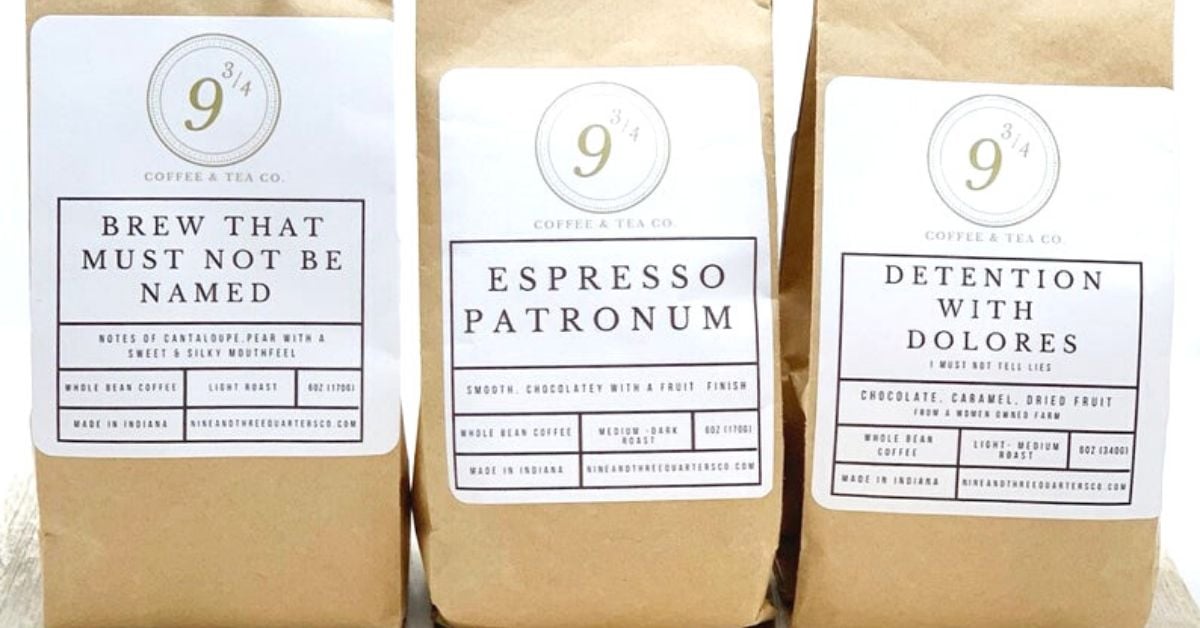
Tea and coffee are pantry staples enjoyed by many, but they don’t last indefinitely. According to food storage expert Sheila Seabrook, tea can retain its best flavor for about two years when stored properly. Coffee beans or grounds start to decline in quality after just a few weeks. If your morning brew tastes flat, it might be time to refresh your stock. Over time, both tea and coffee lose their aroma and become stale, making that perfect cup unattainable.
To prolong their freshness, store teas and coffees in airtight containers away from light and moisture. Whole coffee beans last longer than pre-ground, so consider grinding them fresh for each brew. For tea, keep it in its original packaging or transfer it to a sealed container. Pay attention to smells—if your coffee or tea smells off, it’s a sure sign they’ve passed their prime. Invest in quality, but also in regular rotation to enjoy the best flavors.
8. Old Packets Of Yeast

Yeast is a key ingredient in baking, especially for those who love to make bread from scratch. However, yeast is a living organism that loses its potency over time. If you haven’t used that packet since the last holiday season, it’s probably less effective now. Check the expiration date and perform a yeast test if you’re unsure. Simply dissolve it in warm water with a pinch of sugar; if it doesn’t foam, it’s time to replace it.
Storing yeast properly can extend its usability. Keep unopened packets in a cool, dry place. Once opened, consider transferring it to an airtight container and refrigerating or freezing it. This helps maintain its potency over time. Don’t let expired yeast ruin your baking endeavors; fresh yeast ensures your bread rises to perfection every time.
9. Forgotten Nut Butters
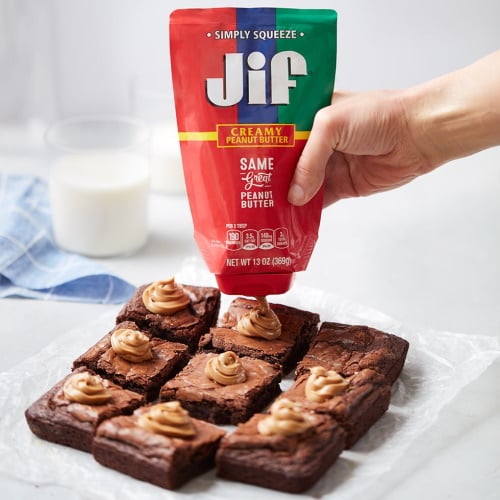
Nut butters like peanut or almond are pantry staples for many, serving as a quick snack or sandwich spread. However, these spreads can go rancid over time due to their high oil content. If you notice a strange smell or taste, it’s likely past its prime. Even though they can last up to a year unopened, opened jars should be used within a few months. It’s a good idea to label the jar with the date it was opened to keep track.
Store nut butters in a cool, dry place, and stir them well if the oil separates. Some people prefer to refrigerate them, especially natural varieties without preservatives. This can help prevent spoilage and extend their shelf life. Regularly check for signs of spoilage like mold, oil separation, or a sour smell. Keeping your nut butters fresh ensures they’re safe and tasty for sandwiches or smoothies.
10. Unused Vinegars

Vinegar might seem like it keeps forever, but even this pantry staple has a shelf life. With time, it can lose its acidity and flavor, particularly if not stored properly. Clear vinegars, like white or apple cider, last longer than their red or balsamic counterparts. If you’ve had a bottle for years, it’s worth checking for cloudiness or sediment, which indicates it’s time to replace it. Your vinaigrettes and marinades deserve fresh vinegar for the best flavor.
To extend its life, store vinegar in a cool, dark place, tightly sealed. Avoid keeping it near heat sources like stoves or direct sunlight, which can accelerate spoilage. Consider buying smaller bottles if you don’t use vinegar often to reduce waste. Remember, good-quality vinegar enhances dishes, from salads to marinades. Refresh your supply regularly, and your culinary creations will thank you.
11. Stale Snacks
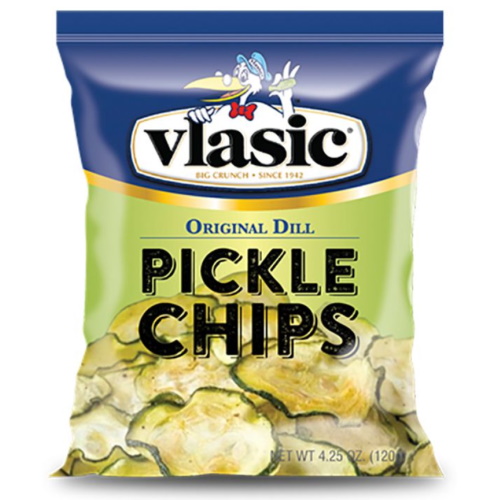
We all have that forgotten bag of chips or crackers buried in the pantry. Over time, these snacks lose their crunch and appeal. While they might not make you sick, they won’t satisfy your snack cravings either. Stale snacks often result from improper storage, such as open bags or loose packaging. If you find yourself with a collection of less-than-crispy snacks, it’s time for a pantry overhaul.
To keep snacks fresh, transfer them to airtight containers or reseal bags tightly after opening. Consider using clips or ties to maintain freshness. Rotate your snack stash regularly, so older items get used up first. Don’t forget to check expiration dates, as even packaged snacks have a limited shelf life. Fresh snacks mean happy taste buds, so it’s worth the effort to keep them in top shape.
12. Old Instant Noodles

Instant noodles are a guilty pleasure for many, offering convenience and comfort in a bowl. But even these shelf-stable wonders have an expiration date. Over time, the noodles can become stale, and the flavor packets lose their potency. If you can’t remember when you bought that pack of ramen, it’s probably past its prime. Check for a dusty taste or clumpy seasoning as signs it’s time to toss them.
Store instant noodles in a cool, dry place to maximize their shelf life. Rotate your stash regularly, so the oldest ones get used first. Consider different cooking methods to breathe new life into slightly older noodles, like adding fresh vegetables or eggs. However, for the best flavor, try to consume them before they pass their best-by date. Fresh noodles mean a satisfying meal, so don’t let them linger too long.
13. Expired Soup Mixes

Soup mixes are a convenient pantry item for quick meals, but they come with a shelf life. As they age, the ingredients lose flavor and can even develop a stale taste. If you’ve been holding onto that just-add-water mix for years, it’s time to reevaluate. Dehydrated ingredients, like dried vegetables and bouillon, degrade over time. A lackluster soup experience isn’t worth the cabinet space or your time.
Check expiration dates on all your soup mixes and consider switching to other pantry-friendly options like canned or homemade frozen soups. Proper storage also plays a role in maintaining quality; keep them in a cool, dry place. Rotating your stock ensures you use the oldest items first, minimizing waste. Fresh soup mixes or alternatives make for better-tasting, more enjoyable meals. Keep your pantry stocked with items you’ll actually use for a satisfying kitchen experience.


