

Ghost towns are the skeletal remains of once-bustling communities, offering a haunting glimpse into America’s past. These abandoned locales are often the result of economic shifts, natural disasters, or the collapse of industries that once sustained them. Their eerie landscapes whisper stories of boom and bust, of dreams ignited and extinguished. As you walk through these deserted streets, you can almost feel the echoes of lives once lived, providing a unique perspective on the darker chapters of American history.
1. Bodie, California
Bodie is the quintessential ghost town, frozen in time high in the Sierra Nevada mountains. Once a booming gold mining town in the late 1800s, Bodie’s population dwindled as the gold veins dried up. By the early 20th century, it had fallen into disrepair, leaving behind over 200 abandoned structures. Walking through Bodie State Historic Park today, you’ll find the town eerily preserved, its weathered buildings and deserted streets a stark reminder of the fleeting nature of fortune.
According to a study by the University of Nevada, Bodie serves as an essential archaeological site, providing insights into the daily lives of its former residents. Researchers have unearthed artifacts that reveal the diverse social dynamics of this frontier town, from its saloons to its Chinese immigrant population. This snapshot of history offers a tangible connection to the past, illustrating how communities adapt and ultimately dissolve in response to economic forces. Visiting Bodie is stepping into a time capsule, where the past lingers with each creaking floorboard.
2. Centralia, Pennsylvania

Centralia was once a thriving coal mining town, but an underground fire that ignited in 1962 changed everything. The fire, still burning today, slowly released dangerous gases, forcing residents to evacuate for safety. What remains is a smoldering landscape, with cracked roads and steam venting from the ground, an unsettling reminder of human error and environmental disregard. Centralia’s story isn’t just about a town abandoned but a cautionary tale about the consequences of unchecked industrial practices.
Walking through Centralia feels like entering a post-apocalyptic world, where nature has begun to reclaim what was left behind. Graffiti-covered roads and remnants of foundations peek through overgrown vegetation, evidence of both human abandonment and resilience. While only a handful of residents remain, their presence is overshadowed by the town’s ghostly atmosphere. Centralia’s haunting beauty lies in its stark contrast between human ambition and the relentless power of nature.
3. Rhyolite, Nevada

Rhyolite’s short-lived existence was marked by a rapid rise and fall typical of many mining towns in the American West. Founded in 1905 near the edge of Death Valley, it quickly grew to a population of over 5,000, thanks to a promising gold strike. However, just a few years later, the mines began to fail, and by 1916, Rhyolite was all but deserted. Today, its crumbling ruins stand as monuments to the optimism and subsequent despair of the early 20th-century gold rush.
According to National Geographic, Rhyolite’s iconic Bottle House, constructed entirely out of glass bottles, exemplifies the resourcefulness of its inhabitants. The town’s remaining structures, including a bank and a train station, offer a glimpse into the architectural ambitions of a burgeoning community. Despite its brief life, Rhyolite fascinates visitors with its unique blend of history and desert desolation. Exploring its ruins, you can almost hear echoes of the bustling life that once animated these dusty streets.
4. Cahawba, Alabama
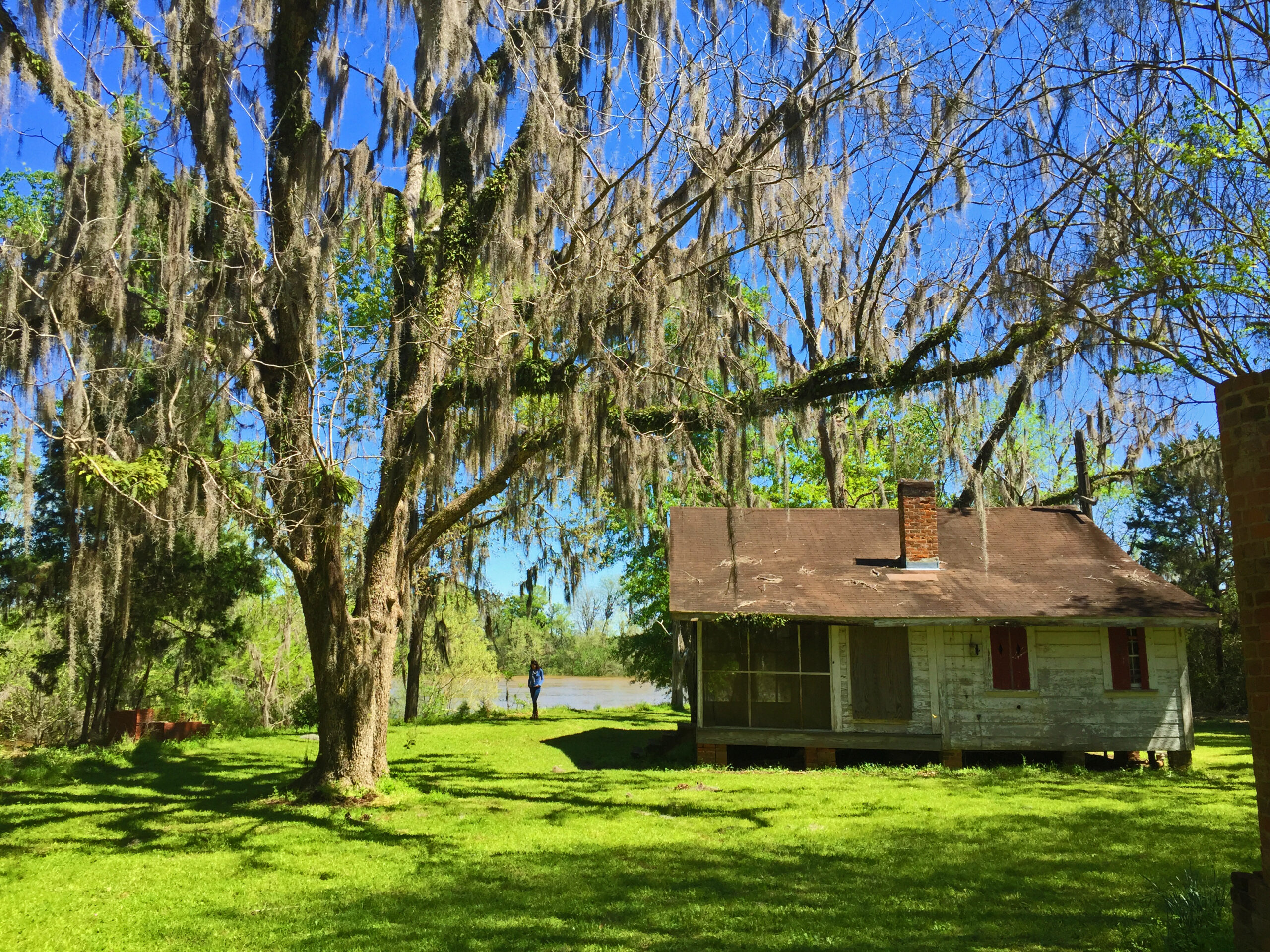
Cahawba, once Alabama’s state capital, is now a sprawling archaeological site, rich with Southern history and mystery. Established in 1820, it thrived briefly before floods and economic downturns caused its decline. By the mid-19th century, it was largely abandoned, its streets overtaken by the surrounding forest. Today, Cahawba’s moss-covered ruins and brick foundations offer a haunting glimpse into the antebellum South, enveloped in both natural beauty and historical intrigue.
Exploring Cahawba, you’ll encounter remnants of its past, from the eerie remains of the statehouse to a haunting cemetery with weathered tombstones. The town’s history is intertwined with themes of prosperity, struggle, and resilience, reflected in the stories of its former residents. As you walk down paths once bustling with life, Cahawba invites you to ponder the passage of time and the shifting fortunes of communities. Its overgrown landscapes and whispered stories create an experience that is both melancholic and thought-provoking.
5. Kennecott, Alaska

Nestled in the rugged terrain of Alaska’s Wrangell-St. Elias National Park, Kennecott is a testament to human tenacity and nature’s indomitable spirit. Established in the early 20th century, this remote mining camp was once a copper powerhouse, producing millions of dollars’ worth of ore. But by 1938, the copper reserves depleted, and Kennecott was left to the elements, its majestic red buildings now part of a hauntingly beautiful landscape. It’s a place where industrial history meets breathtaking wilderness, offering a unique perspective on the American frontier.
The National Park Service has worked to preserve Kennecott, recognizing its significance as a historical and engineering marvel. Their efforts have made it possible for visitors to explore its massive mill, bunkhouses, and other structures that stand as a testament to early 20th-century ingenuity. Walking through Kennecott, you’re struck by the juxtaposition of man-made structures against the vast Alaskan wilderness. It’s a place that invites reflection on the balance between human ambition and the raw power of the natural world.
6. Thurmond, West Virginia

Thurmond is a ghost town that highlights the once-thriving rail industry in the heart of Appalachia. In the early 1900s, it was a vital stop on the Chesapeake & Ohio Railway, bustling with passengers, coal shipments, and commerce. However, with the decline of rail travel and the coal industry, Thurmond’s population dwindled, leaving behind a handful of buildings and a post office clinging to life. Today, it stands as a silent witness to the rise and fall of industrial America.
Walking the empty streets of Thurmond, you can almost hear the distant echoes of steam engines and bustling crowds. The well-preserved train depot and surrounding structures tell the story of a community built on the back of the railroads. Despite its desolation, Thurmond remains a point of interest for those intrigued by rail history and the complexities of economic change. It’s a place that sparks contemplation about how technological advances can simultaneously build and dismantle communities.
7. Garnet, Montana

Tucked away in the Montana mountains, Garnet is one of the state’s best-preserved ghost towns, offering a snapshot of life in the late 19th century. Founded in 1895 during a gold rush, it peaked with around a thousand residents before the mines played out and the town was abandoned. Today, Garnet is managed by the Bureau of Land Management, attracting visitors with its authentic buildings and scenic surroundings. It’s a place where history feels alive, echoing with the stories of miners and their families.
According to a study by the University of Montana, Garnet’s preservation provides valuable insights into the economic and social fabric of frontier life. Researchers have found that the town’s isolation allowed its structures to remain largely untouched, offering a unique window into the past. Walking through Garnet, you gain an understanding of the hardships and hopes of its former residents, with each building telling a tale of ambition and perseverance. It’s a ghost town that invites you to reflect on the enduring human spirit amidst challenging circumstances.
8. Jerome, Arizona
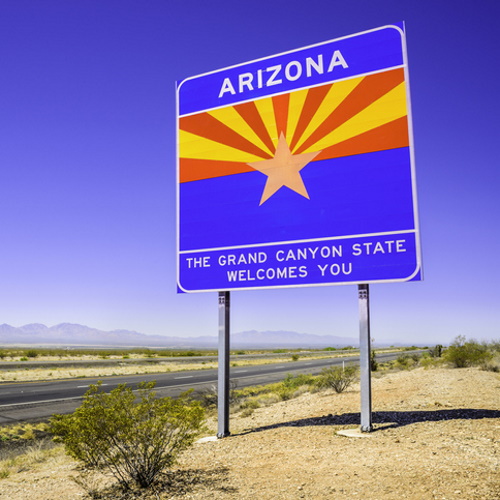
Perched on Cleopatra Hill, Jerome was once a thriving copper mining town in the Arizona desert, home to over 15,000 people. Its fortunes waxed and waned with the price of copper, and by the 1950s, it was nearly deserted. Today, Jerome has transformed into a quirky artist’s colony, but remnants of its past—crumbling structures and old mine shafts—still dominate the landscape. It’s a place where history and creativity intertwine, offering visitors a unique blend of the old and new.
Walking through Jerome, you’ll encounter art galleries nestled within historic buildings, each with its own story to tell. The town’s haunted history is celebrated in ghost tours, where you can hear tales of its colorful past and mysterious happenings. Jerome’s reinvention as a tourist destination reflects a broader theme of adaptation and resilience. It’s a testament to how communities can redefine themselves while honoring their historical roots.
9. Calico, California
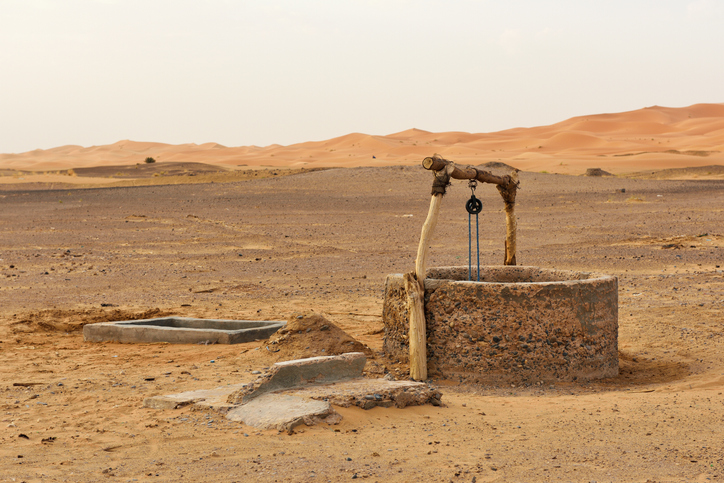
Calico, nestled in California’s Mojave Desert, is a ghost town with a rich mining history and a vibrant present. Founded in 1881, it quickly became a silver mining hub, but by the mid-1890s, falling silver prices led to its decline. Today, Calico is a preserved attraction, drawing tourists with its reconstructed buildings and living history demonstrations. It’s a place where the wild west comes alive, offering a tangible connection to a bygone era.
Exploring Calico, you’ll find a mix of restored and original structures, from saloons to miner’s cabins, each with its own tale. The town’s vibrant past is celebrated through events and festivals that channel the spirit of the old west. While it thrives as a tourist spot, Calico’s essence lies in its ability to transport visitors back to a time of prospectors and pioneers. It’s a reminder of the resilience and resourcefulness needed to survive in the harsh desert environment.
10. Glenrio, Texas/New Mexico

Glenrio is a ghost town straddling the Texas-New Mexico border, a relic of the once-bustling Route 66. In its heyday, it was a popular stop for travelers, offering motels, diners, and service stations. However, the construction of the Interstate Highway System in the 1970s bypassed Glenrio, leading to its swift decline. Today, its deserted buildings serve as a poignant reminder of the impact of progress on small-town America.
As you explore Glenrio, you’ll find faded signs and empty structures that once catered to weary road trippers. The town’s dual-state nature is evident in its remaining architecture, with buildings and roads spanning both Texas and New Mexico. Glenrio’s story is a testament to the transformative power of transportation technology, and how it can leave communities behind. It’s a place that evokes nostalgia for the golden age of the American road trip, while highlighting the inevitability of change.
11. Parkerville, Kansas
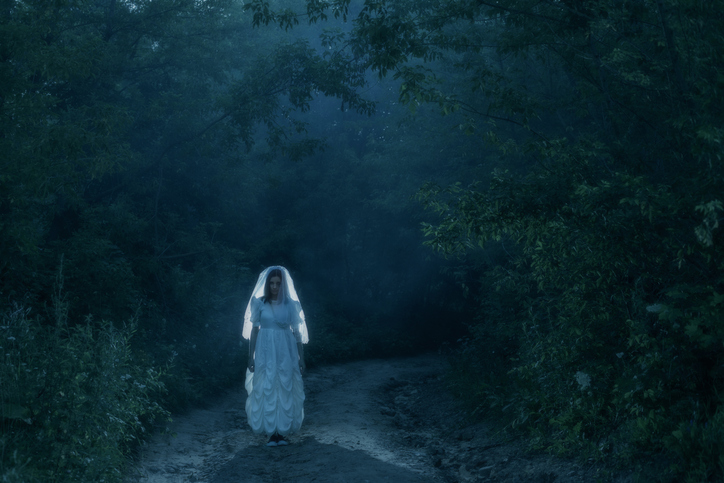
Parkerville, a small ghost town in Kansas, tells the story of a community that gradually faded into obscurity. Established in the late 19th century, it was once a bustling center of agriculture and trade. However, changes in transportation and economic hardships led to its decline, leaving behind a few scattered homes and an old schoolhouse. Today, Parkerville serves as a quiet reminder of the transient nature of rural life.
Walking through Parkerville, you feel the passage of time in its empty streets and weathered structures. The town’s history is etched into the landscape, a blend of hope and hardship common to many rural communities. Despite its desolation, Parkerville still holds a certain charm, drawing those curious about the stories hidden within its quiet corners. It’s a place that prompts reflection on the cycles of growth and decline that shape our world.
12. St. Elmo, Colorado

Nestled in the Colorado Rockies, St. Elmo was once a thriving gold and silver mining town, now one of the state’s best-preserved ghost towns. Founded in 1880, it was home to nearly 2,000 people at its peak, but dwindling ore production led to its abandonment. Today, St. Elmo offers a glimpse into the past with its intact buildings and stunning mountain backdrop. It’s a place where history and nature harmoniously coexist, inviting exploration and reflection.
As you wander through St. Elmo, you’ll discover its historic structures, from the general store to the telegraph office, each with its own narrative. The town’s preservation is a testament to the dedication of those who value its historical significance. St. Elmo’s serene setting and storied past provide a unique opportunity to experience the life of a bygone era. It’s a place that captivates the imagination, bridging the gap between history and the present.
13. Bannack, Montana
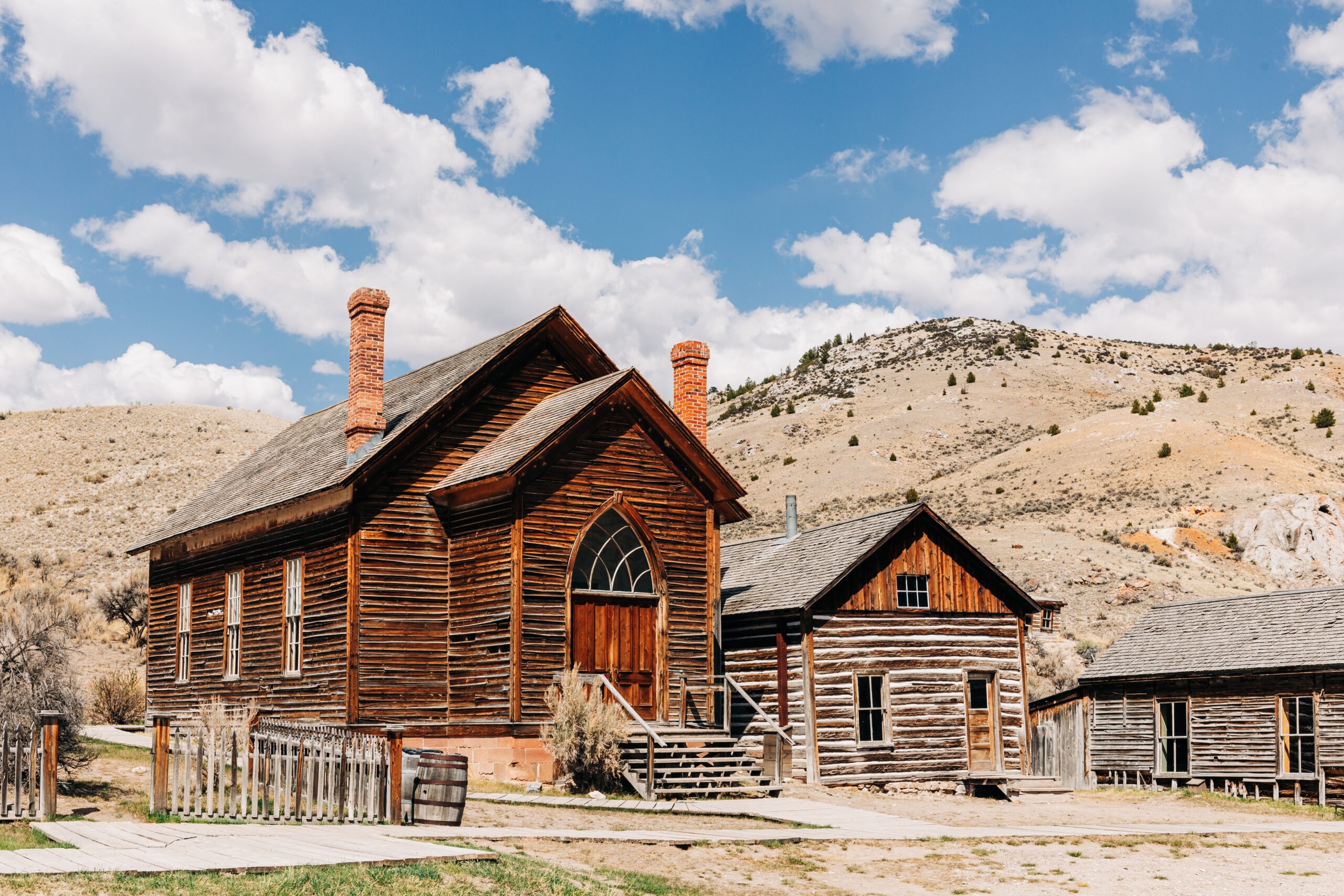
Bannack, the first territorial capital of Montana, is a ghost town preserved as a state park, showcasing the boom-and-bust cycle of the gold rush era. Founded in 1862 following a major gold discovery, it quickly grew but declined just as fast as miners moved to more prosperous areas. Today, Bannack’s numerous well-preserved structures offer a vivid snapshot of frontier life and the challenges of the early American West. It’s a place where history is palpable, inviting visitors to step back in time.
Exploring Bannack, you’ll find everything from a hotel to a schoolhouse, each building echoing with stories of ambition and adversity. The town’s preservation allows for a unique opportunity to engage with the past, understanding the complexities of life during the gold rush. Bannack’s rich history and scenic location make it a captivating destination for those interested in the American frontier. It’s a ghost town that offers both educational insights and a sense of wonder, bridging the past and present in a meaningful way.


