
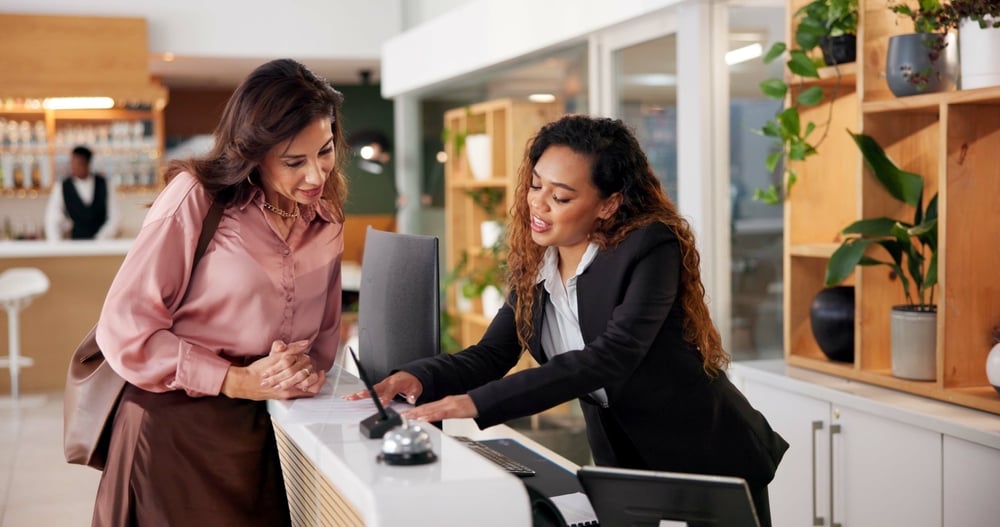
Hotels are designed to feel anonymous, comforting, and temporary—which is exactly why people let their guard down the moment they close the door. Familiar routines slip, instincts quiet, and trust replaces vigilance because the space looks professional and controlled. But safety experts and seasoned travelers agree that hotels present a unique set of risks that most guests overlook until something goes wrong. These are the hidden dangers that catch people off guard, often when it’s already too late.
1. Staff Impersonation Is More Common Than People Think
Criminals sometimes pose as hotel staff to gain access to rooms. They rely on politeness, authority cues, and guests’ reluctance to question uniforms. People open doors automatically. Trust replaces verification.
Hotels advise guests to confirm staff identities through the front desk. Few people do. The danger isn’t fear—it’s assumption. Verifying isn’t rude; it’s protective.
2. Room Placement That Increases Risk Without You Knowing

Ground-floor rooms and those near exits offer convenience but also increased exposure. These rooms experience more foot traffic and easier access from the outside. Guests rarely consider room placement beyond view or proximity. Safety often comes second.
Security experts recommend mid-level floors away from stairwells and exits. These rooms balance accessibility and protection. Most guests never request placement strategically. It’s a quiet oversight with real consequences.
3. Door Locks That Look Secure—but Aren’t

Hotel room doors often appear sturdy, but many rely on outdated electronic locks or mechanical backups that are easier to bypass than guests realize. Security audits have repeatedly shown that some keycard systems can be fooled with simple tools or malfunction after repeated use. Travelers assume a locked door equals safety, but in reality, it may only deter the most casual intrusion. The illusion of security is often stronger than the protection itself.
What makes this dangerous is how quickly guests relax once inside. People prop doors open, skip using secondary locks, or ignore malfunctioning handles because it feels temporary. Few guests report faulty locks, assuming it’s not worth the hassle. That moment of inconvenience can quietly turn into vulnerability.
4. Connecting Doors You Forget Exist

Those discreet connecting doors between rooms are easy to overlook once closed, especially if they’re disguised as regular walls. Even when locked, they can transmit sound, allow tampering, or become weak points if the adjacent room is compromised. Guests often don’t test both locks or check for movement. It’s one of the most commonly forgotten security features in hotels.
The danger isn’t paranoia—it’s probability. If the neighboring room changes occupants, staff access increases, or locks aren’t reset properly, risk rises. Most people only notice these doors when noise travels through them at night. By then, anxiety replaces comfort.
5. Windows That Don’t Fully Lock

Upper floors feel safe, which is why window locks often go unchecked. Many hotel windows open wider than expected or have faulty latches that guests never test. This becomes especially risky in urban areas, resort properties, or hotels with balconies. Height creates false confidence.
Security experts recommend checking windows immediately upon arrival, but few travelers do. People assume hotels comply with safety standards without exception. Unfortunately, maintenance gaps and aging buildings tell a different story. It’s a small detail with serious implications.
6. Phones and Devices That Can Be Compromised

Hotel Wi-Fi networks are convenient—and notoriously insecure. Guests log into shared networks without considering how easily data can be intercepted. Personal devices become exposed through weak passwords or outdated security settings. The danger isn’t dramatic, but it’s persistent.
Cybersecurity risks don’t end at Wi-Fi. Shared smart TVs, USB ports, and charging stations can all present vulnerabilities. Travelers assume neutrality, but shared tech spaces blur privacy lines. Convenience quietly trades places with control.
7. Housekeeping Access While You’re Away

Housekeeping access is necessary, but it also introduces risk if protocols aren’t strict. Rooms are entered multiple times daily, sometimes by different staff members or temporary workers. While theft is rare, opportunity exists. Guests often leave valuables in plain sight.
Most hotels are trustworthy, but trust isn’t a security strategy. Safes go unused, passports stay in drawers, and laptops remain unattended. The danger lies in assuming good intent eliminates risk. It doesn’t.
8. Fire Exits You’ve Never Actually Located
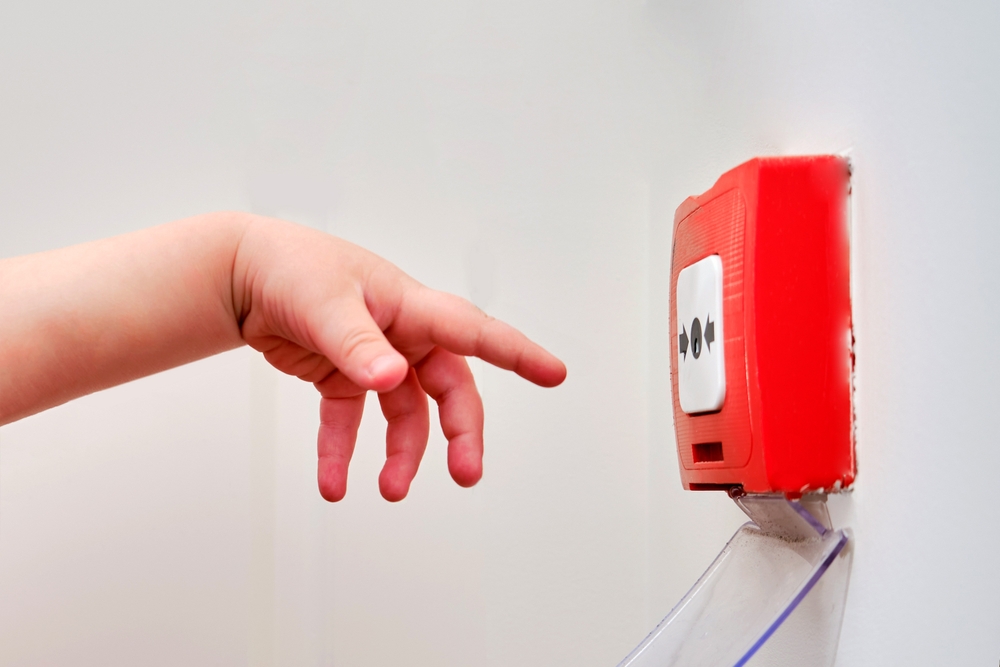
In emergencies, people default to familiarity—and in hotels, familiarity is limited. Guests rarely locate stairwells, exits, or evacuation maps until alarms sound. Panic magnifies confusion when routes aren’t known. Smoke doesn’t wait for orientation.
Fire safety experts stress that seconds matter, especially at night. Elevators become traps, hallways disorient, and signage disappears in low visibility. The danger isn’t fire itself—it’s disorientation. Preparation changes outcomes.
9. Elevators That Can Become Bottlenecks or Traps
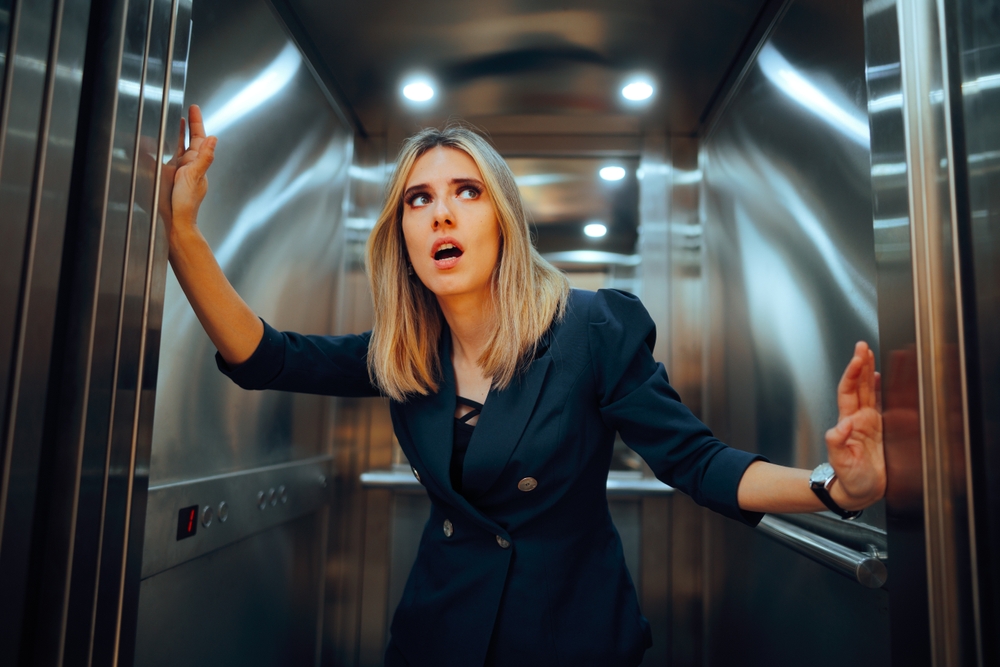
Elevators feel safe until they’re not. During power outages, fires, or emergencies, elevators may stall or shut down completely. Guests unfamiliar with stair access can become trapped between floors or stranded. Hotels rarely emphasize this risk.
People rely on elevators out of habit, not logic. When something goes wrong, that habit becomes dangerous. Knowing when not to use an elevator is just as important as knowing how to use one. Few guests think about this in advance.
10. Room Safes That Aren’t as Secure as You Think

Hotel room safes provide comfort—but master codes or default settings easily override many. Some models haven’t been updated in years. Guests assume anything inside is untouchable. That assumption can be wrong.
Security professionals advise using safes for convenience, not total protection. High-value items are better left with hotel security or kept on your person. The danger lies in overconfidence. Safes reduce risk, not eliminate it.
11. Public Areas That Create a False Sense of Safety

Lobbies, lounges, and breakfast areas feel social and monitored, which lowers vigilance. Guests leave bags unattended, devices exposed, and conversations open. Opportunistic theft thrives in relaxed environments. Visibility doesn’t equal supervision.
Criminals don’t look suspicious—they look normal. That’s why public hotel spaces require awareness. The danger is assuming shared space equals shared responsibility. It doesn’t.
12. Emergency Numbers That Aren’t Clearly Posted

In moments of stress, people forget basics. Hotel phones may not clearly display emergency dialing instructions, especially for international travelers. Guests fumble with devices under pressure. Seconds disappear quickly.
Knowing how to contact emergency services from your room matters. Not all hotel phones dial local emergency numbers the same way. This small detail becomes critical in real emergencies. Preparation prevents panic.
13. Complacency Is the Biggest Risk of All
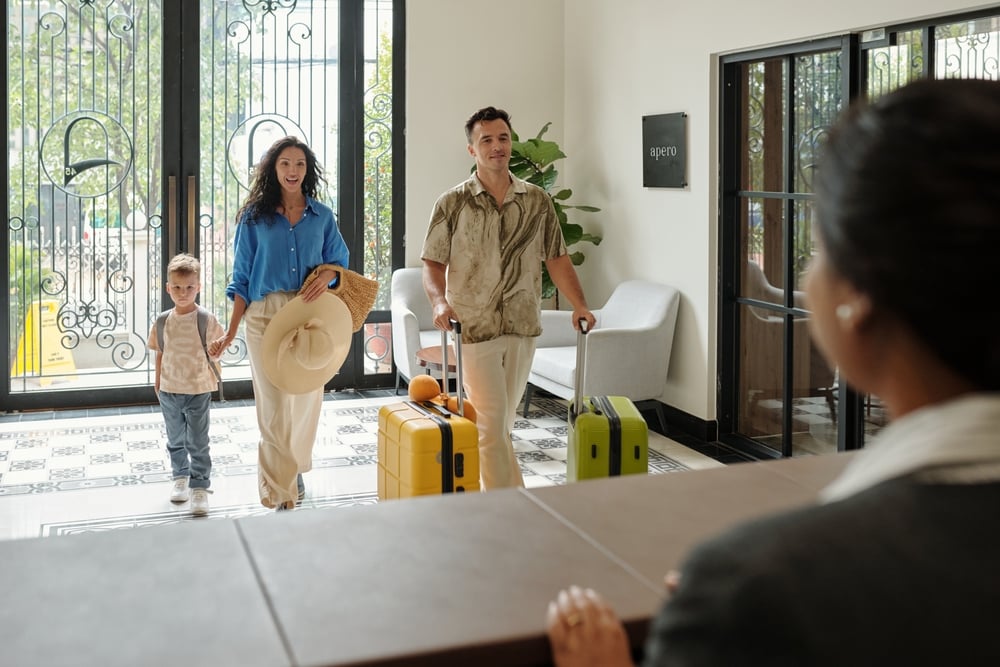
The greatest danger in hotels isn’t a specific threat—it’s the mindset guests adopt. Temporary spaces lower defenses and encourage routine shortcuts. People act differently when they feel “off duty.” That shift creates openings.
Safety experts agree awareness—not anxiety—is the key. Simple checks, small habits, and conscious attention change outcomes. Hotels aren’t dangerous by default, but complacency makes them riskier. Staying alert is the quiet difference between comfort and consequence.


