

For years, the impact of social media on self-image was discussed in vague terms—comparison, filters, unrealistic standards. But across Reddit threads, TikTok comment sections, Instagram captions, and anonymous confession forums, people are now naming the exact moments something shifted.
1. They Deleted a Post Too Fast and Felt Embarrassed for Trying
Across Reddit threads about Instagram burnout, multiple users described deleting posts within minutes because they “weren’t landing.” One person wrote that the silence felt embarrassing, like they had spoken out of turn. Another admitted they felt exposed for posting without guaranteed approval. The common reaction wasn’t disappointment—it was shame.
What unsettled people most was how quickly self-trust disappeared. Instead of asking whether they liked the post, they let engagement decide if it should exist. Psychologists who study feedback loops note that unpredictable responses encourage preemptive self-censorship. In these stories, the damage wasn’t rejection—it was retreat.
2. Candid Photos Started Feeling Worse Than Looking in the Mirror
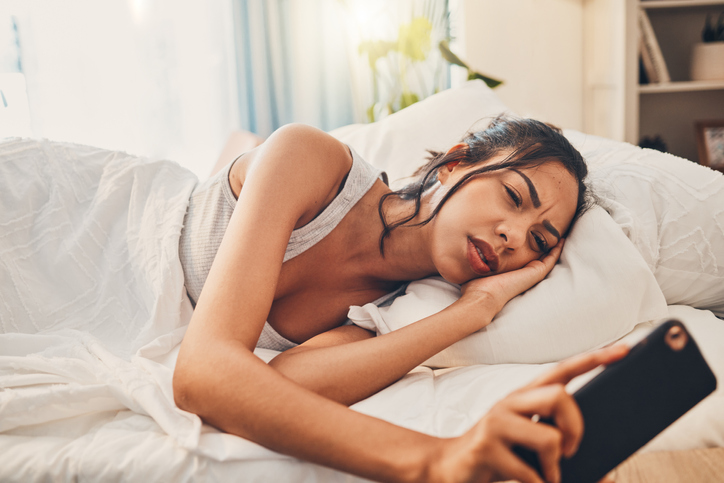
In Instagram comments and Reddit body-image forums, people admitted they were fine with their appearance until they saw unedited photos taken by others. Several described feeling startled by their own face, even though nothing was objectively wrong. One person said candid photos felt “too real” compared to what they posted. The discomfort wasn’t about attractiveness—it was about unfamiliarity.
Controlled self-presentation can make reality feel intrusive. When you curate one version of yourself consistently, anything else feels like a deviation. Over time, people stopped trusting what they looked like in real life. Their self-image became dependent on context and control.
3. Filters Quietly Reset What Felt Acceptable
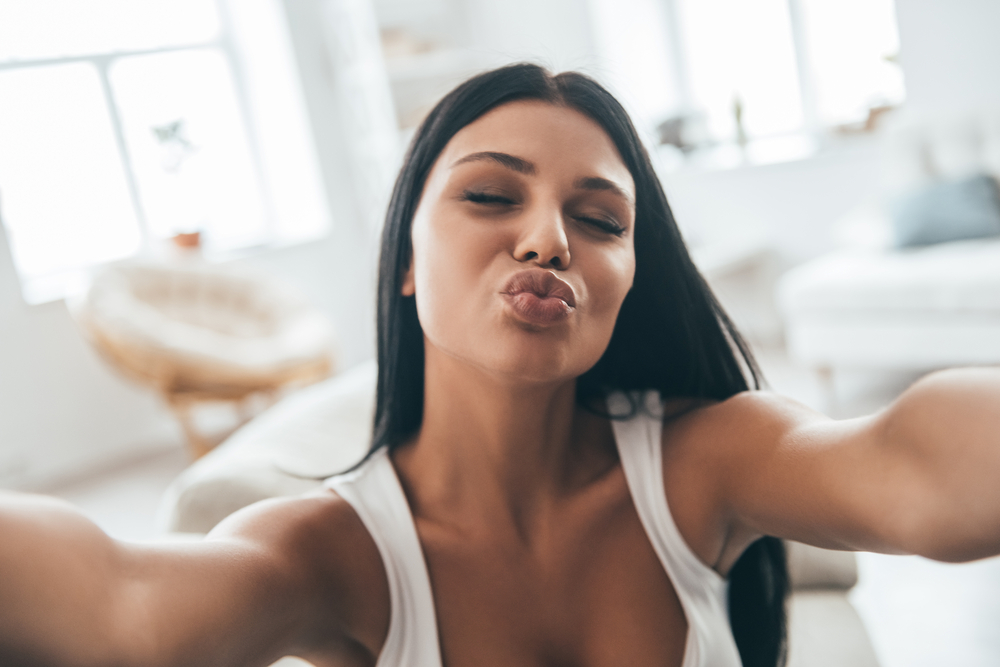
In TikTok comment sections under “no filter” videos, people admitted feeling a drop when switching back to their real face. The filtered version felt calmer, smoother, and more complete. One commenter said their reflection suddenly looked unfinished without enhancement. The reaction came before conscious judgment.
Research published in Body Image shows that repeated exposure to subtly altered facial images increases dissatisfaction. Filters don’t announce themselves as fantasy—they present as improvement. That subtlety makes the emotional shift harder to detect. Reality starts to feel like the problem instead of the baseline.
4. They Realized They Were Faking Confidence, Not Feeling It
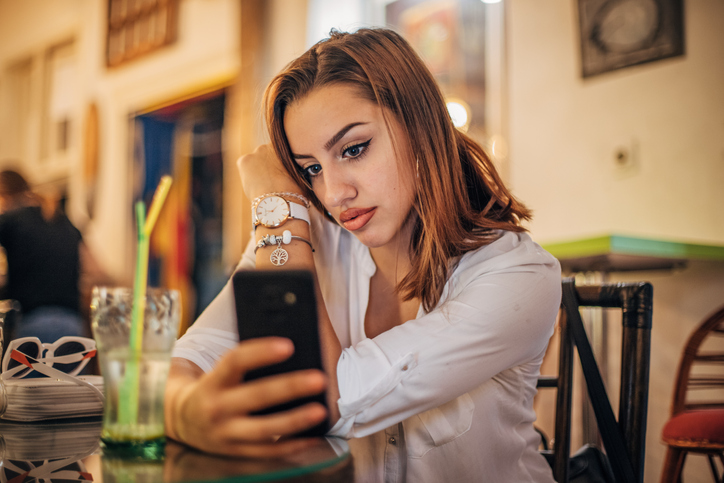
In TikTok comments and Reddit threads about confidence, people admitted copying the tone and posture of creators who seemed unshakable. Several described posting bolder captions and firmer opinions than they felt internally. One user wrote that their online voice sounded braver than their nervous system ever was. The gap grew slowly but noticeably.
Repeated performance can override internal cues. Confidence becomes something you demonstrate rather than experience. Instead of checking in with themselves, people evaluated how convincing they looked. When the camera was off, doubt felt louder.
5. Being Seen Online Didn’t Mean Being Known
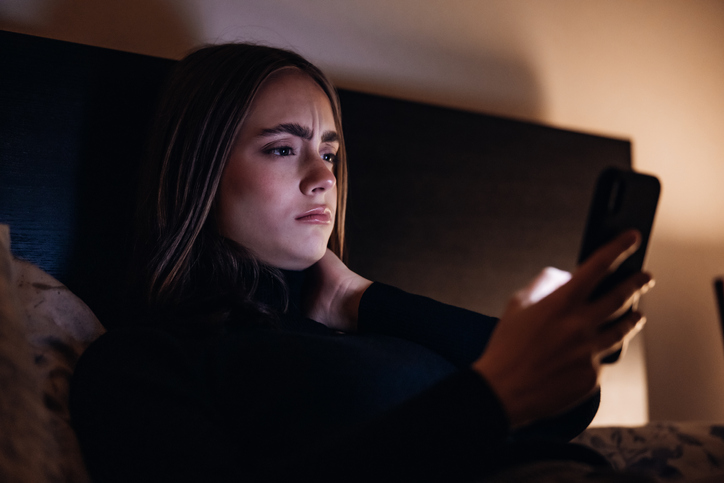
In Instagram captions and anonymous confession forums, people described the loneliness of high visibility with low intimacy. One person wrote that hundreds watched their Stories daily, but no one noticed when they disappeared. Others said engagement felt automatic and hollow. Attention didn’t translate to connection.
Studies cited by the Pew Research Center show that passive engagement rarely increases belonging. For many, this realization landed slowly. They weren’t ignored—they were misunderstood, and being perceived wasn’t the same as being held.
6. Silence Started Feeling Like Rejection Instead of Neutral
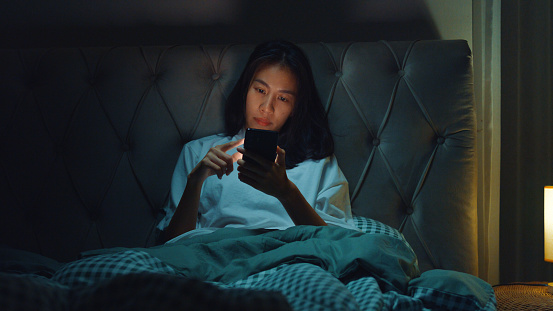
Across Reddit threads about posting anxiety, people admitted that quiet posts felt emotionally charged. A lack of response lingered longer than criticism ever did. One user said it felt like speaking into a room and watching everyone look away. Even those who claimed not to care noticed the sting.
Once feedback becomes expected, absence is interpreted as negative information. Silence stops being neutral and starts feeling evaluative. People adjusted what they shared to avoid that pause. Expression narrowed to what felt safest.
7. They Compared Their Inner Lives to Other People’s Edited Moments

In TikTok comments and forums, people described scrolling while feeling anxious, bored, or lonely. At the same time, they watched vacations, engagements, and personal breakthroughs unfold. One commenter wrote that the contrast made their own emotions feel defective. The comparison wasn’t rational, but it was constant.
Social psychologists note that people compare internal states to external presentations. Online, that imbalance is amplified. Over time, normal emotional fluctuation felt like failure. People didn’t assume others were lying—they assumed everyone else was coping better.
8. Their Online Personality Started Replacing Their Real One

In Reddit confession threads, people described leaning into the version of themselves that performed best. Certain jokes, opinions, or aesthetics got rewarded, so they repeated them. One user said they defaulted to their “internet personality” even offline. The line between expression and branding blurred.
Reinforcement shapes behavior faster than reflection. When one version of you gets attention, it crowds out the rest. Over time, people felt flattened by their own presentation. Authenticity narrowed into predictability.
9. She Noticed She Was Always the One Taking the Photo

In Reddit threads about aging on social media, several women admitted they didn’t feel “older” until they noticed a quiet pattern. Group photos from weddings, dinners, and trips kept appearing online, but they were rarely tagged or centered in them anymore. One woman wrote that she realized she was almost always the one holding the phone. No one said anything, but the message felt clear.
What made it unsettling was how subtle the shift was. Visibility didn’t disappear overnight—it just drifted away. Cultural researchers note that social relevance is often signaled visually before it’s ever verbalized.
10. They Realized They Waited for Reactions Before Trusting Their Own

Across TikTok comments and Reddit confession threads, people admitted they stopped trusting their first emotional reaction. Instead, they waited to see how others responded before deciding how they felt. One person wrote that they’d reread a post’s comments before allowing themselves to agree or disagree. Their instinct became provisional.
Constant external feedback weakens internal authority over time. When reactions arrive instantly, self-trust erodes quietly. People began outsourcing their perspective to consensus. Certainty started to feel risky, even in private.
11. Their Body Became Something to Manage Instead of Live In

In wellness forums and Instagram comment sections, people described realizing they thought about their bodies mostly in terms of appearance. One user wrote that during a vacation, they kept mentally checking how they’d look in photos instead of enjoying the experience. Another admitted rest made them anxious because it wasn’t “productive.” Their body felt like a project with no finish line.
Studies link this mindset to increased burnout and dissatisfaction. When physical experience is replaced by constant evaluation, neutrality disappears. The body becomes a site of performance, and enjoyment gets crowded out by strict monitoring.
12. Compliments Started Feeling Like Something They Had to Earn

In Reddit threads about validation, people noticed praise only seemed to arrive when they posted. During quiet stretches, affirmation disappeared entirely. One person wrote that they felt less likable when they weren’t visible. Compliments stopped feeling spontaneous and started feeling conditional.
Conditional reinforcement reshapes self-worth quickly. Appreciation becomes something to secure rather than receive. Silence feels suspicious instead of neutral.
13. Being Watched Made Them More Self-Conscious, Not Confident

Some people admitted that increased visibility made them more careful, not freer. In TikTok comments and anonymous forums, users described feeling tense knowing their posts were being observed closely. One person wrote that attention raised the stakes of being imperfect. Expression began to feel risky.
Researchers studying perceived surveillance note that observation increases self-monitoring. Creativity shrinks when evaluation feels constant. Instead of expansion, people experienced contraction. Self-image tightened under the pressure of being seen.


