
Nothing’s worse than confidently saying a word for years only to discover you’ve been pronouncing it wrong the entire time. Americans do this constantly—throwing around words in meetings, at dinner parties, during casual conversations, completely sure they’re nailing the pronunciation. Except they’re not. Some words come from other languages and don’t follow English rules. Others just have weird spellings that don’t match how they sound. And a bunch of them? We’ve been saying them wrong for so long that the wrong way almost sounds right. Here are fourteen words Americans pronounce with complete confidence—and complete incorrectness.
1. Espresso
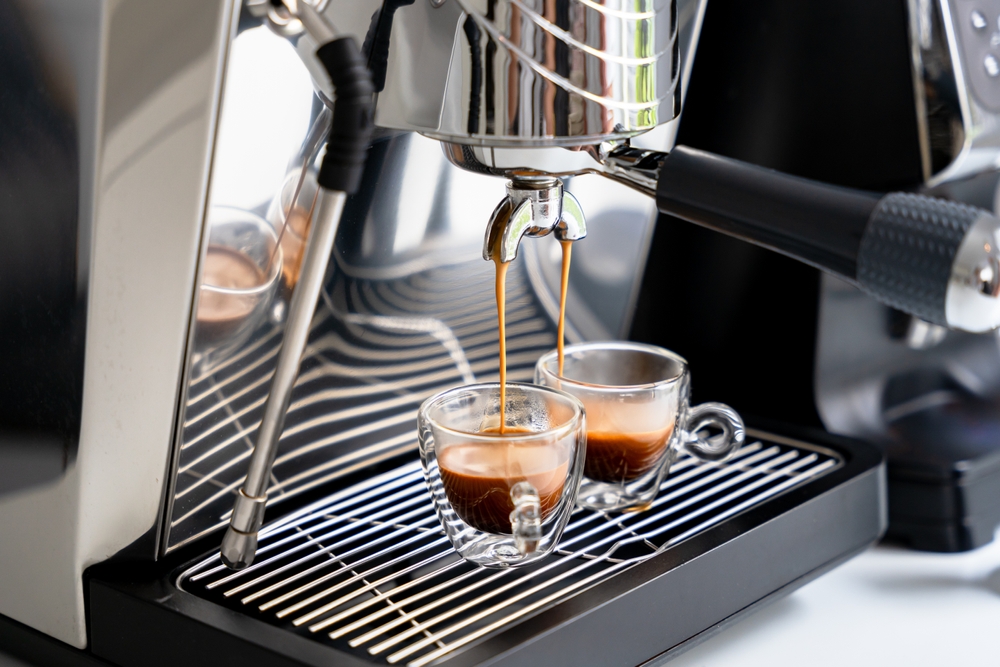
Thanks to Sabrina Carpenter’s hit song, everyone’s been talking about espresso this year. And most people are still saying it wrong. The correct pronunciation is “es-PRESS-oh,” but Americans keep saying “EX-press-oh,” adding an extra ‘x’ sound that doesn’t exist.
The confusion probably comes from “express”—the English word we all know. But espresso comes from Italian, and there’s no ‘x’ in it anywhere. If you’ve been ordering an “expresso” at coffee shops for years, you’ve been confidently mispronouncing one of the most common drinks. The barista’s heard it a thousand times, but it’s still wrong.
2. Worcestershire Sauce

This condiment trips up about 300,000 Americans every year, based on Google searches for the correct pronunciation. People try “WOR-kes-ter-shy-er” or “WOR-sess-ter-shyre,” but the actual pronunciation is “WUSS-ter-sheer” or “WUSS-ter-sher.” Those middle syllables basically disappear.
The 2024 Babbel report on mispronounced words found that the most difficult terms tended to be names of public figures, followed by cultural trends, and words or phrases adapted from foreign languages. This English county name got combined with “sauce,” and Americans have been struggling with it ever since. The confident version, where you pronounce every syllable? Wrong. The version where you basically ignore half the letters? That’s the right one.
3. Gyro

Roughly 312,000 Americans searched for how to pronounce “gyro” this year, making it the most-searched mispronunciation in the country. Most people say “JY-roh” as it rhymes with “tyro” or “Cairo.” The actual pronunciation is “YEE-roh” or sometimes “ZHEER-oh.”
It’s Greek, and the ‘g’ at the beginning makes a ‘y’ sound in Greek. But Americans see that ‘g’ and commit hard to saying it like the beginning of “giraffe” or “giant.” Every time someone orders a “JY-roh” at a Mediterranean restaurant, they’re wrong. The sandwich is delicious regardless of pronunciation, but still wrong.
4. Acai

This berry shows up in smoothie bowls and health food everywhere, and Americans have about five different wrong ways to say it. The most common mistake is “AY-kye” or “uh-KYE.” The correct pronunciation is “ah-sah-EE” or “ah-sye-EE.”
The dictionary notes that even if you’re not throwing it into your morning smoothie, you might want to be sure you’re saying acai right. It’s from Portuguese, and Portuguese vowel sounds don’t work like English ones. But that doesn’t stop people from ordering their “AY-kye bowl” every morning.
5. Colonel

The word “colonel” makes zero phonetic sense, and Americans pronounce it correctly by accident more than by understanding. It’s pronounced “KER-nel,” like the thing inside a corn kernel. The spelling suggests “koh-loh-NEL” or “COLL-oh-nel,” but neither is right.
The word colonel came from Italian “colonnello” through French “coronel,” and English kept the Italian spelling but the French pronunciation. This explains nothing and helps nobody. People who say it correctly mostly learned by hearing it, not by reading it.
6. Charcuterie
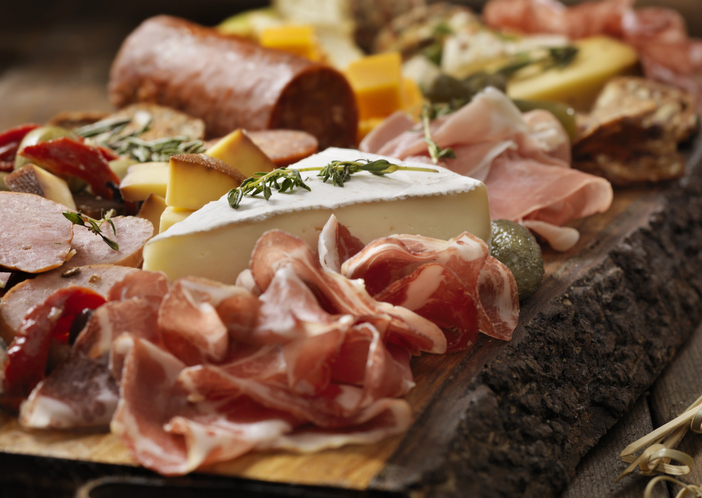
Every party has a charcuterie board now, and most people at those parties are mispronouncing it. Common attempts include “char-KOO-ter-ee” or “char-kuh-TER-ee.” The correct pronunciation is “shar-KOO-tuh-ree” or “shar-KOO-tree.”
That ‘ch’ at the beginning is a soft sound like in “champagne,” not a hard sound like in “cheese.” It’s French, which means regular English pronunciation rules don’t apply. But Americans see those letters and make confident pronunciation choices based on English—and those choices are wrong. But hey, the meats and cheeses taste the same either way.
7. Quinoa

This grain became trendy years ago, and people still haven’t figured out how to say it. Common attempts include “qwin-OH-ah” or “KWIN-oh-ah.” The correct pronunciation is “KEEN-wah.”
The 2024 report analyzing Google Trends found that Americans searched “how to pronounce” various words starting in January 2025 through October, revealing that many Americans can’t seem to pronounce a lot of the same words. The ‘qui’ doesn’t sound like “queen” or “quick”—it sounds like “keen.” And that final ‘a’ is more like “wah” than “ah.”
8. Niche

Americans are split on this one. Some say “nitch” and some say “neesh.” The “neesh” pronunciation is closer to the original French and technically more correct. “Nitch” is an Americanized version that’s become so common it’s almost acceptable.
But people on both sides are absolutely certain they’re right, and the other pronunciation is wrong. They’ll argue about it. They’ll insist. And half of them are confidently wrong, while the other half are confidently sort-of-right but insist on the less standard pronunciation. Either way, somebody’s messing it up.
9. Sherbet

There’s no ‘r’ between the ‘e’ and the ‘b,’ but Americans keep putting one there. The correct pronunciation is “SHER-bet,” not “SHER-bert.” That second ‘r’ doesn’t exist in the spelling, yet people confidently add it when speaking.
This probably happens because “Bert” is a name we all know, and “Sherbert” sounds like a person. But it’s “sherbet”—two syllables, one ‘r’ in the middle, no ‘r’ at the end.
10. Library

The correct pronunciation is “LY-brer-ee,” but many Americans say “LY-berry.” That first ‘r’ disappears completely, turning the place you borrow books into a fruit. It’s incredibly common, and people say it without realizing they’re dropping an entire letter.
Children do this constantly, which is understandable. But plenty of adults confidently tell people they’re “going to the LY-berry” without ever noticing they’re mispronouncing a word they’ve been using since kindergarten.
11. Nuclear

The correct pronunciation is “NOO-klee-er,” but many Americans—including former President George W. Bush—say “NOO-kyuh-ler.” That middle syllable should be “klee,” not “kyuh.” It’s not “nucular.”
This one’s so widespread that even people in positions of authority get it wrong. Scientists, politicians, and newscasters have all confidently said “NOO-kyuh-ler” while discussing nuclear power or nuclear weapons. The mispronunciation has been around so long that some people genuinely don’t know they’re getting it wrong. They hear others say it and assume it’s correct.
12. February

The correct pronunciation includes that first ‘r’: “FEB-roo-air-ee.” But most Americans drop it and say “FEB-yoo-air-ee.” That ‘r’ after the ‘b’ is difficult to pronounce quickly, so people skip it entirely.
Unlike some mispronunciations, this one doesn’t cause confusion—everyone knows which month you mean. But technically, dropping that ‘r’ is wrong. It’s one of the most common mispronunciations in English, accepted by almost everyone except language sticklers who insist on the correct version.
13. Mischievous

The correct pronunciation is “MIS-chuh-vus” with three syllables. But Americans constantly add a fourth syllable and say “mis-CHEE-vee-us.” That extra ‘i’ sound doesn’t exist in the word—it’s spelled “mischievous,” not “mischievious.”
This happens because words like “devious” and “previous” do have that ‘i’ before the ‘ous,’ so people assume “mischievous” follows the same pattern. The spelling clearly shows three syllables, but the confident mispronunciation persists anyway.
14. Supposedly

The correct word is “supposedly,” but Americans constantly say “supposably.” These are actually two different words with different meanings, but people use “supposably” when they mean “supposedly” all the time. “Supposedly” means “according to what is assumed or supposed.” “Supposably” means “capable of being supposed” and almost never comes up in conversation.
A survey found that Americans are most annoyed by the use of “irregardless” and “supposably.” People say “supposably” with complete confidence, unaware they’re using a different word that doesn’t mean what they think it means.


