

As the world becomes increasingly unpredictable, you might find yourself wondering where you’d go if civilization suddenly ended as we know it. While it’s not something we like to think about, having a mental checklist of hidden refuges could be comforting as we navigate the climate crisis. Imagine pristine locales, isolated paradises, and naturally fortified environments that could serve as humanity’s last stand.
1. Tristan da Cunha
This remote island in the South Atlantic Ocean is the epitome of isolation. With no airport and only a handful of ships making the journey each year, it’s not exactly a tourist hotspot. Yet, its volcanic terrain and limited access make it an ideal hideaway should the world fall to pieces. The island’s self-sufficient community relies on agriculture and fishing, giving you a taste of life without modern conveniences.
A study by The Royal Society suggests that isolated communities like Tristan da Cunha are naturally resilient to global crises. This is partly due to their self-reliant economies and strong communal ties. The island’s small population of around 250 people ensures you won’t feel entirely alone while still enjoying ample personal space. Whether you’re a survivalist or just someone looking to escape, this little-known location offers a unique, off-the-grid experience.
2. Pitcairn Island

Infamous as the final refuge of the HMS Bounty mutineers, Pitcairn Island is steeped in intrigue. Located in the Pacific Ocean, this tiny island is home to fewer than 50 people. Its rugged landscapes and limited resources make it a challenging yet rewarding place to live. The isolation fosters a sense of community and independence that’s hard to find elsewhere.
Living on Pitcairn requires a knack for adaptability and a thirst for adventure. With no natural harbors and fierce ocean currents, just reaching the island can be an ordeal. Yet, once there, you’ll discover a community deeply connected to its natural surroundings. You’ll learn to appreciate the simplicity and perseverance required for island life, where every day is both a challenge and a reward.
3. Socotra

Off the coast of Yemen, the island of Socotra is a marvel of biodiversity. Its alien-like landscapes boast a variety of plant species found nowhere else on Earth. The island’s remote location and unique ecology have earned it a UNESCO World Heritage status. From the towering dragon’s blood trees to pristine beaches, Socotra offers a striking mix of solitude and wonder.
According to a 2020 study published in Nature Conservation, Socotra’s isolation provides a haven for both its unique species and those seeking refuge from global disruptions. Its self-sustaining ecosystems make it an ideal spot for anyone looking to live closely with nature. While the island’s political situation can be complex, the promise of untouched beauty and tranquility is undeniable. You’ll find solace in the island’s unspoiled charm and the promise of starting anew.
4. Bouvet Island

If remoteness is what you’re after, Bouvet Island in the South Atlantic Ocean delivers. Officially the most remote island on Earth, it lies thousands of miles from any continental landmass. This Norwegian territory is uninhabited, shrouded in ice, and buffeted by harsh weather conditions. Yet, for those with a taste for extreme isolation, it might just be the ultimate refuge.
Living on Bouvet Island would mean embracing a life defined by self-sufficiency and resilience. You’d have to contend with its frigid climate, relying on ingenuity and resourcefulness to survive. The island offers unparalleled solitude, making it a sanctuary for anyone looking to escape the clamor of modern life. While it’s not for the faint of heart, the island’s unyielding nature is a testament to the indomitable spirit of those who choose to call it home.
5. Svalbard

High in the Arctic Circle, the Svalbard Archipelago offers a unique mix of isolation and accessibility. Despite its remote location, it’s relatively easy to reach from mainland Norway. The archipelago is known for its stunning polar landscapes and an abundance of wildlife. It’s a place where you can experience the profound silence of the Arctic, far removed from civilization.
The Global Seed Vault, located in Svalbard, is a testament to the island’s strategic importance in safeguarding global food security. This initiative underscores the archipelago’s potential as a refuge during times of crisis. Here, you’ll find a community of adventurers, scientists, and researchers drawn by the island’s stark beauty and opportunities for discovery. Whether you’re captivated by its natural allure or the prospect of living on the edge, Svalbard offers a compelling escape.
6. Easter Island

Famous for its mysterious Moai statues, Easter Island is one of the world’s most remote inhabited islands. Located in the Pacific Ocean, it offers a blend of cultural heritage and natural beauty. The island’s ancient history and enigmatic stone figures make it a fascinating place to live. While tourism has increased, the island still retains an air of mystery and isolation.
Life on Easter Island means embracing a slower pace and a strong sense of community. Farming and fishing are central to the island’s way of life, promoting self-sufficiency. As you explore its unique landscapes, from rolling hills to sandy beaches, you’ll feel a deep connection to both past and present. Here, you’ll find not just a refuge but a way of life that honors tradition and simplicity.
7. Faroe Islands
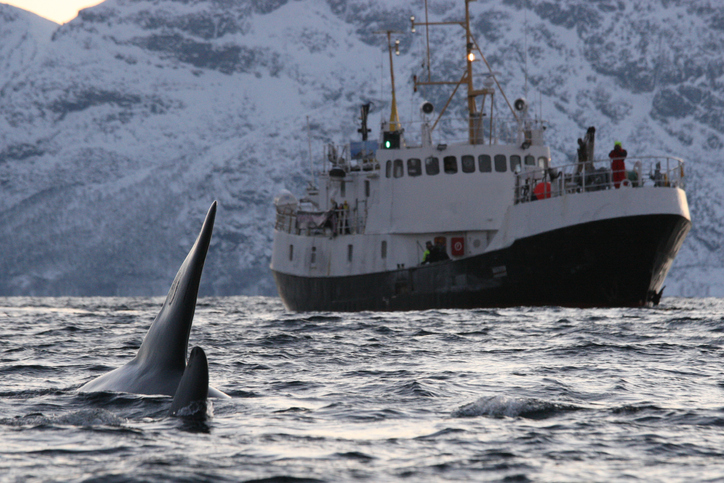
Nestled between Iceland and Norway, the Faroe Islands offer a blend of rugged beauty and modern comforts. Despite their remote location, the islands boast a well-developed infrastructure and strong internet connectivity. With dramatic cliffs, rolling green hills, and an abundance of waterfalls, the landscape is nothing short of breathtaking. It’s a place where you can enjoy the best of both worlds: isolation and connectivity.
Research published in the Journal of Environmental Planning and Management highlights the Faroes as a model of sustainability and resilience. The islands have a thriving fishing industry and a culture that emphasizes community and tradition. Here, you’ll find a balance between modern living and a deep respect for nature. Whether you’re drawn by the stunning scenery or the tight-knit community, the Faroe Islands offer a unique and inviting refuge.
8. Galápagos Islands

Renowned for their unique wildlife and pristine environments, the Galápagos Islands are a naturalist’s paradise. Located off the coast of Ecuador, their remote location has preserved their ecosystems for centuries. The islands offer a unique opportunity to live among species found nowhere else on Earth. It’s a place where you can truly disconnect from the outside world and immerse yourself in nature.
Life in the Galápagos means embracing conservation and sustainability. The islands are a UNESCO World Heritage site, and efforts to protect their fragile ecosystems are paramount. Here, you’ll live side-by-side with giant tortoises, marine iguanas, and an array of bird species. Whether you’re a nature enthusiast or simply seeking solitude, the Galápagos Islands provide a serene and enriching escape.
9. Lofoten Islands

The Lofoten Islands in Norway are a stunning blend of jagged peaks, deep fjords, and quaint fishing villages. Despite their remote Arctic location, they’re home to a vibrant community and a thriving fishing industry. The islands offer some of the most picturesque landscapes in the world, with dramatic lighting that changes with the seasons. It’s a place where you can find peace in nature’s grandeur.
Living in Lofoten means embracing a close-knit community and a life deeply connected to the sea. Fishing is the lifeblood of the islands, providing both sustenance and a sense of purpose. The dramatic scenery and rich cultural heritage make it an inspiring place to call home. Whether you’re drawn to the islands for their beauty or the lifestyle they offer, Lofoten is a refuge for those seeking simplicity and natural wonder.
10. Azores

A group of nine islands in the North Atlantic, the Azores are a hidden gem of natural beauty and tranquility. These Portuguese islands boast lush landscapes, volcanic craters, and a mild climate year-round. Despite their remote location, they’re well-connected and offer a blend of modern amenities and traditional charm. It’s a place where you can enjoy the serenity of island living without sacrificing comfort.
Life in the Azores is characterized by a focus on sustainability and community. The islands’ economy is largely based on agriculture and tourism, with a strong emphasis on preserving their natural environment. Here, you’ll find a welcoming community and a slower pace of life that encourages reflection and connection. Whether you’re seeking adventure or simply a peaceful retreat, the Azores offer a captivating escape.
11. Tasmania

Separated from mainland Australia by the Bass Strait, Tasmania is a haven of wilderness and wildlife. Known for its rugged coastlines and dense forests, it offers a sense of isolation while still being part of a developed nation. The island’s diverse ecosystems and rich cultural heritage make it a unique place to live. It’s a place where you can enjoy the best of both urban and rural life.
Living in Tasmania means embracing a lifestyle that values nature and community. The island offers a blend of outdoor adventures and cultural experiences, from hiking in national parks to exploring historic sites. Here, you’ll find a strong sense of identity and a commitment to sustainability and conservation. Whether you’re drawn by the island’s beauty or its way of life, Tasmania provides a welcoming refuge.
12. Falkland Islands

Located in the South Atlantic Ocean, the Falkland Islands are a British Overseas Territory known for their windswept landscapes and abundant wildlife. Despite their remote location, the islands are home to a small, welcoming community. The rugged terrain and unique environment offer a sense of adventure and exploration. It’s a place where you can experience the beauty of nature in its rawest form.
Life in the Falkland Islands is defined by resilience and self-sufficiency. The islands’ economy relies on fishing and sheep farming, with a focus on sustainability. Here, you’ll find a community that values independence and a deep connection to the land. Whether you’re seeking solitude or a close-knit community, the Falkland Islands offer a unique and enriching refuge.
13. Madagascar
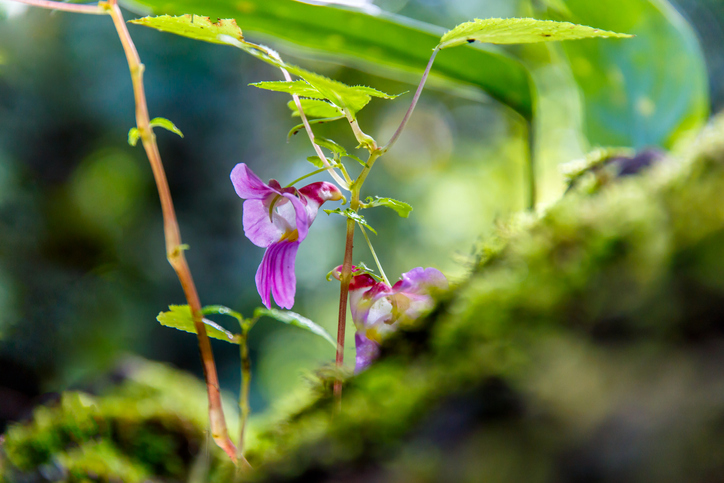
As the fourth-largest island in the world, Madagascar is known for its incredible biodiversity and unique landscapes. Located off the coast of East Africa, it’s home to species found nowhere else on Earth. The island’s lush rainforests, vast deserts, and vibrant culture make it a captivating place to live. It’s a place where you can immerse yourself in nature and explore a rich tapestry of traditions and communities.
Living in Madagascar means embracing a lifestyle that values diversity and sustainability. The island’s economy is largely based on agriculture, with a focus on preserving its unique ecosystems. Here, you’ll find a community that celebrates its cultural heritage and a commitment to conservation. Whether you’re drawn by the island’s natural beauty or its way of life, Madagascar offers a refuge for those seeking adventure and connection.


