Skip to content
MENU
by
Danielle Sachs
Jun 3, 2026
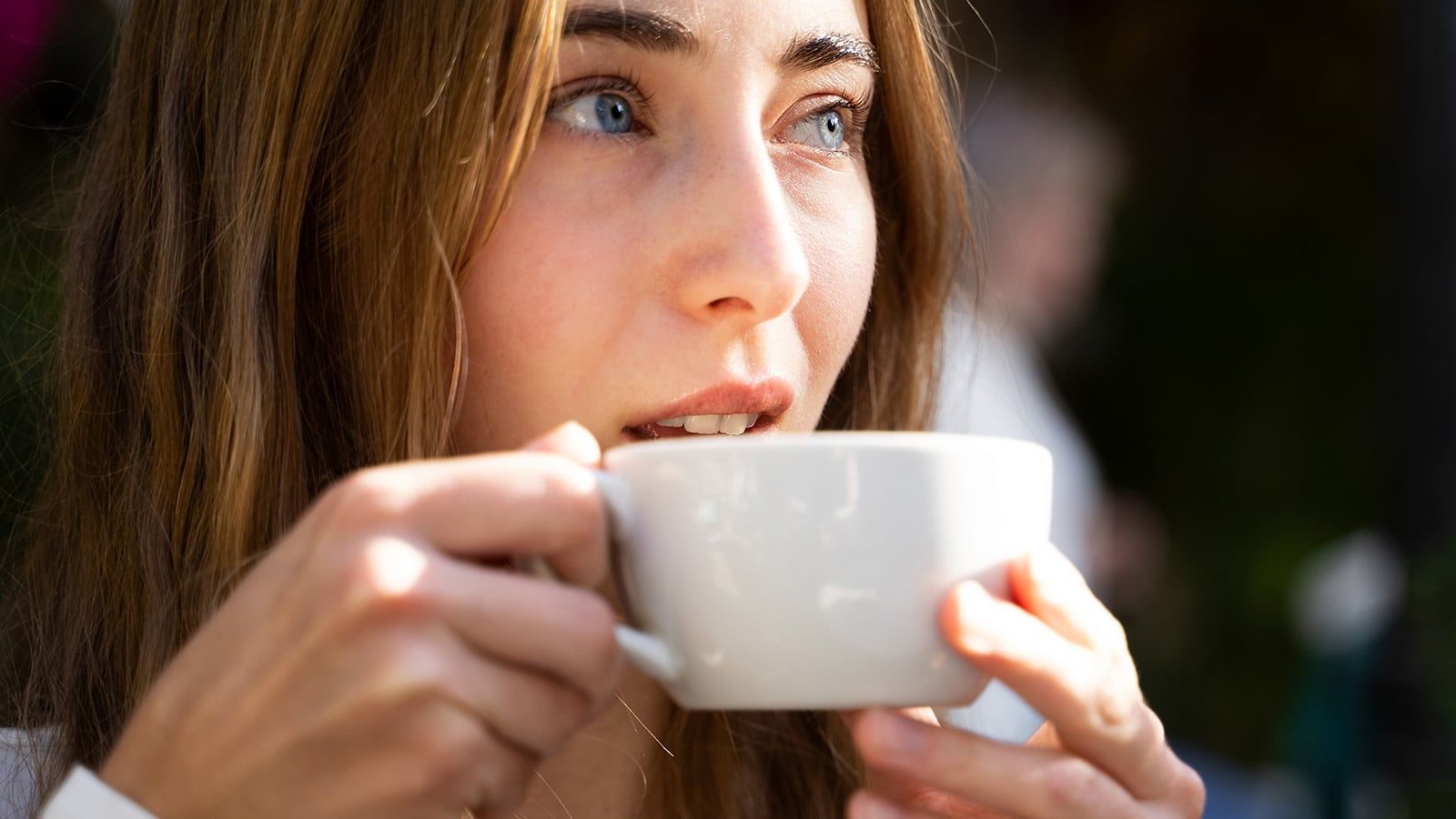
Psychology says the person who always drinks their coffee black isn’t just a purist, they are often navigating a need for “unfiltered reality” that shows up in every other part of their life
by
Danielle Sachs
Jun 3, 2026
by
Danielle Sachs
Jun 3, 2026
The people who can’t fully enjoy a good moment because part of them is already bracing for it to end aren’t pessimists, they learned somewhere that being caught off guard hurt worse than staying ready, and the bracing is an old form of self-protection that outlived the thing it was protecting against
by
Danielle Sachs
Jun 3, 2026
by
Leena Kaur
Jun 3, 2026
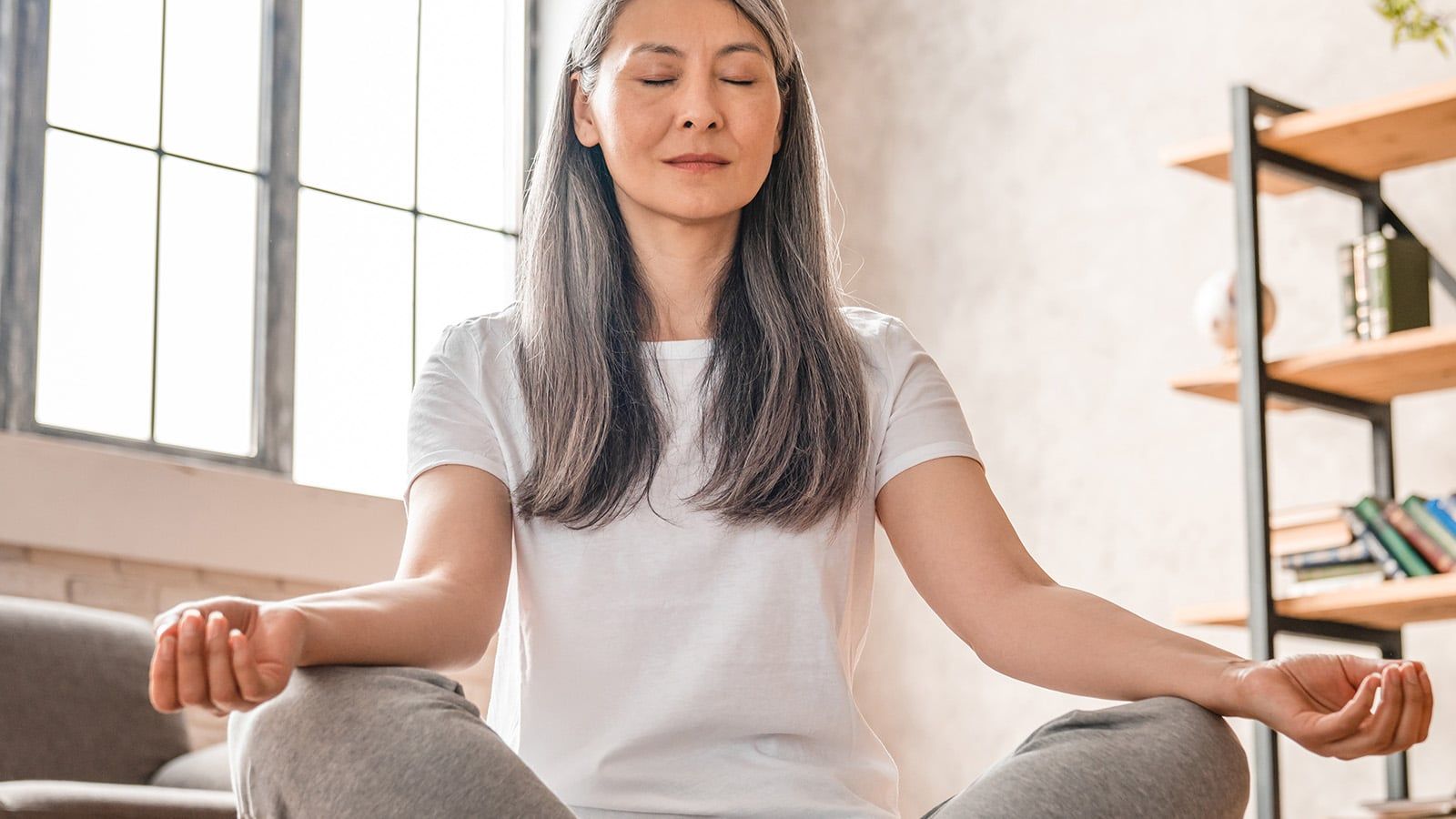
People who are truly at peace in their 70s usually let go of these 10 things most of us are still holding onto
by
Leena Kaur
Jun 3, 2026
by
Halle Kaye
Apr 16, 2026
The worst kind of loneliness isn’t having no one, it’s being loved but not being able to receive it
by
Halle Kaye
Apr 16, 2026
Therapists say adults with no close friends aren’t always hard to get along with—sometimes they just gave so much and asked for so little that nothing real ever formed
by
Julie Brown
Apr 16, 2026
Research suggests the most magnetic people aren’t the most impressive—they’re the ones who make you feel like you matter
by
Julie Brown
Apr 16, 2026
Psychology says the difference between solitude and loneliness isn’t being alone—it’s whether you feel at home with yourself
by
Danielle Sachs
Apr 16, 2026
Most people don’t realize that the kindest people they know often became that way because no one showed up for them when they needed it
by
Danielle Sachs
Apr 16, 2026
Extreme self-reliance doesn’t usually start from strength—it often begins with disappointment and grows into something that feels safer than depending on anyone else
by
Halle Kaye
Apr 16, 2026
If you didn’t grow up with much physical affection, it doesn’t just disappear—it shapes what you expect from others and how comfortable you are receiving it
by
Julie Brown
Apr 16, 2026
There are people who’ve been on their own for so long that letting someone in feels more unnatural than being alone ever did
by
Danielle Sachs
Apr 16, 2026
I’m a woman in my 30s and I’ve had more almost-relationships than real ones, but recently I caught myself leaving one earlier than I normally would—and for the first time, it didn’t feel like loss, it felt like self-respect.
by
Julie Brown
Apr 16, 2026
When you’ve spent years doing things on your own, you don’t just become independent—you build emotional muscles other people never had to develop
by
Erika Vaatainen
Apr 16, 2026
People who always offer help but never ask for it aren’t just generous—they built their identity around being needed because it once felt like the safest way to be loved
by
Julie Brown
Apr 16, 2026
Therapists say people who grew up with parents who were responsible but emotionally unavailable often develop these 10 patterns that quietly shape their life
by
Julie Brown
Apr 16, 2026
Psychology says people who stay constantly busy aren’t always driven—they’re often avoiding the version of themselves they don’t want to sit with
by
Julie Brown
Apr 16, 2026
Retirement isn’t just about stopping work, it’s about figuring out who you are without it
by
Danielle Sachs
Apr 16, 2026
If you think you’re confident but crumble when things get awkward, here’s what’s really going on underneath
by
Julie Brown
Apr 16, 2026
My daughter doesn’t need my advice anymore, she needs my silence—and learning to give her that silence is the hardest “parenting” work I’ve ever done in my life.
by
Bolde Team
Apr 16, 2026
I’m a dad in my 40s who spent years thinking my job was to keep everything running, and the other night my daughter asked me to watch a show with her instead of just paying for her streaming account—and I realized how simple connection can be when I actually show up for it.
by
Erika Vaatainen
Apr 16, 2026
There’s a point where some people stop chasing happiness, not because they don’t want it—but because it started to feel like something that wasn’t meant for them in the first place
by
Julie Brown
Apr 16, 2026
There’s a kind of freedom in getting older that no one talks about—the relief of not needing to become everything anymore
by
Natasha Lee
Apr 15, 2026
I own the home, I make the dinner, I host the holidays—and some nights I sit in the dark after everyone’s asleep and feel like a stranger who got very good at playing a “responsible adult” in a movie I didn’t audition for.
by
Natasha Lee
Apr 15, 2026
I’m a woman in my 50s and some people think I’ve become more irritable—I’m actually happier than I’ve ever been and am just done carrying what isn’t mine
by
Erika Vaatainen
Apr 15, 2026
If you spent a lot of time alone as a kid, you probably learned these powerful survival skills that many people never acquire
by
Leena Kaur
Apr 15, 2026
I’m single and terrified of giving up my independence, but I’m exhausted by my own self-reliance. The courage isn’t in “choosing” to be alone; it’s in admitting that my freedom has started to feel a lot like a fortress.
by
Julie Brown
Apr 15, 2026
Therapists say people who don’t have many close friends often learned early that attachment was risky
by
Halle Kaye
Apr 15, 2026
Psychologists say being “easy to talk to” can turn into this pattern where you become emotionally essential to others—but totally unseen as a person who also has needs
by
Danielle Sachs
Apr 15, 2026
People tell me I’m “too picky,” but the truth is scarier: I’m in my 30s and I’ve realized that “ending up alone” might not be a choice I made, but a mathematical reality of a generation that forgot how to actually connect.
by
Angelica Barnes
Apr 15, 2026
I’m in my late 30s and I had a moment recently where someone showed real interest in me, and instead of feeling relieved, I felt protective of my time—and I’m starting to understand that not every opportunity is actually an upgrade.
by
Angelica Barnes
Apr 15, 2026
When adult children seem too busy to connect, it’s rarely just about time, it’s often about how those interactions feel—because people make space for what feels easy and avoid what feels heavy
by
Halle Kaye
Apr 15, 2026
I’ve been married for a decade and have reached the point where every disagreement just makes me feel a profound, heavy sense of relief that maybe this will be the one that finally makes us end it.
by
Julie Brown
Apr 15, 2026
People who never ask for help aren’t just independent—they’re often guarding against rejection, because when you’ve learned to read subtle signals early, you start avoiding situations where you might not be chosen
by
Julie Brown
Apr 15, 2026
I’m in my 60s and the hardest part of aging isn’t the joints or the energy—it’s the specific Tuesday afternoon I realized that people in stores and restaurants had started looking past me instead of at me, as if I’d become part of the background noise
by
Halle Kaye
Apr 15, 2026
I’m 3 months postpartum and I love my baby with a ferocity that terrifies me, but I hate the fact that my husband gets to “choose” when to be a parent while for me it’s a 24/7 biological mandate.
by
Halle Kaye
Apr 15, 2026
I stopped asking my husband for help because the energy it took to explain the task, monitor the progress, and fix the mistakes was more expensive than just doing the damn thing myself
by
Angelica Barnes
Apr 15, 2026
I hate my day job, but I’ve never had a safety net to fall back on—so when people tell me to “just take a risk,” I realize they don’t understand that for me, a mistake isn’t a lesson, it’s a catastrophe.
by
Halle Kaye
Apr 15, 2026
I’m in a marriage that feels like a quiet hostage situation, and I’ve realized that I’m not staying for the love; I’m staying because I’m terrified of the version of myself I’ll have to become to burn my entire life to the ground.
by
Halle Kaye
Apr 15, 2026
Therapists say the hardest part of parenting for most people isn’t the relentless exhaustion, it’s that you can’t control how your child experiences the world—only how you show up in it
by
Angelica Barnes
Apr 14, 2026
People who grew up without stability often become adults who feel uneasy when life is calm
by
Julie Brown
Apr 14, 2026
There’s a very specific kind of loneliness that comes from being capable of handling everything on your own and having no one who ever sees that you have to
by
Jason Mustian
Apr 14, 2026
I thought I was a good husband—I didn’t cheat, didn’t lie, didn’t disappear—and just assumed that being steady was enough, but now I look back and see a relationship where nothing was obviously wrong and still somehow everything important was missing.
by
Julie Brown
Apr 14, 2026
If your friendships consistently disappoint you, it might be time to just enjoy them for what they are instead of expecting more
by
Halle Kaye
Apr 14, 2026
We just had a baby and everyone tells me how “lucky” I am to have such a relaxed, chill husband, but they don’t see that his relaxation is a luxury funded entirely by my hyper-vigilance.
by
Angelica Barnes
Apr 14, 2026
I always told myself I was independent, that I didn’t need a relationship to be happy, and now I’m in my 30s trying to untangle how much of that was strength and how much of it was learning not to expect something I wasn’t sure I’d ever get.
by
Leena Kaur
Apr 14, 2026
I’ve been in menopause for 3 years and I’m realizing that I spent forty years strapped to a monthly rollercoaster I didn’t ask for, and the part nobody told me about “the change” isn’t the heat—it’s the sudden, startling silence of a body that has finally stopped screaming for attention.
by
Natasha Lee
Apr 14, 2026
I sit in my quiet kitchen at 4:00 PM and the silence is so loud I can almost hear the ghost of my son at seven, asking me for a snack and a story—and the cruelest part of aging is knowing that version of him is gone forever, even though the man he became is only a phone call away.
by
Julie Brown
Apr 14, 2026
I spent twenty years being the sun that my children’s entire world orbited around, and now I’m in my 60s and I’ve realized I’ve been demoted to a satellite—always visible, but no longer necessary for the day to run.
by
Danielle Sachs
Apr 14, 2026
I didn’t set out to be a “Strong Independent Woman.” I just kept making the next responsible choice until I looked around and realized I’d built a life so self-sufficient that there was no longer a structural opening for anyone else to enter.
by
Leena Kaur
Apr 14, 2026
I’m a Director at work and a CEO at home, and the most exhausting part isn’t the 50-hour work week—it’s coming home to a man who asks “what’s for dinner” while standing in a kitchen full of groceries I bought.
by
Angelica Barnes
Apr 14, 2026
Men who seem to own a room the second they walk into it aren’t always the loudest or most impressive—there’s usually something quieter about how they carry themselves that people pick up on right away
by
Julie Brown
Apr 14, 2026
I haven’t spoken to my sibling in years, not because of one moment but because of a pattern—because eventually you reach a point where keeping the peace means giving up too much of yourself
by
Halle Kaye
Apr 14, 2026
Psychology says people who had emotionally unstable or anxious parents often don’t realize they’re still living in these quiet survival modes
by
Erika Vaatainen
Apr 14, 2026
If you like managing everything in your house—including your husband—you might actually be driven by these control issues
by
Julie Brown
Apr 14, 2026
You know someone is aging well when they no longer feel the need to prove these things to anyone
by
Halle Kaye
Apr 14, 2026
Fake friends rarely reveal themselves through obvious betrayal—they show up in patterns that make you doubt your own read on things, because the most effective manipulation is the kind that makes you question your instincts instead of theirs
by
Julie Brown
Apr 14, 2026
Being “ultra-organized” isn’t a personality trait—it’s a high-functioning survival response to a chaotic past
by
Leena Kaur
Apr 14, 2026
Your “hustle” isn’t ambition—it’s an escape from the silence you’re not ready to hear
by
Danielle Sachs
Apr 14, 2026
You’re not stuck in your career—you’re just repeating the same “safe” mistake every 12 months
by
Angelica Barnes
Apr 13, 2026
If you can go an entire weekend without talking to anyone and feel fine, it’s not necessarily a red flag, it’s a form of self-sufficiency—because being comfortable alone requires a kind of internal stability most people haven’t developed
by
Angelica Barnes
Apr 13, 2026
Some people don’t have walls because they’re cold—they have walls because every time they didn’t, something confirmed they probably should have
by
Natasha Lee
Apr 13, 2026
The people who stay interesting into their 70s don’t try to keep up—they do this instead
by
Angelica Barnes
Apr 13, 2026
Psychology says people who grow up without much affection don’t stop needing closeness, they just learn to navigate it differently—because when warmth wasn’t consistent, love starts to feel both important and uncertain at the same time
« Prev
1
…
12
…
542
Next »
Modern Love
Parenting & Family
Friendships
Aging & Life Stages
Human Behavior
Life & Well-Being
About
Contact
Meet the Team
Privacy Policy
Terms & Conditions
DMCA Policy
Editorial Policy
FREE
LOVE QUIZZ
X Exit Search
Search