

Airports can turn the calmest of us into a bundle of nerves, even when we’re just trying to go from Point A to Point B. The bustling crowds, looming schedules, and hectic security procedures create a perfect storm for stress. Whether you’re a seasoned traveler or not, these 15 science-backed reasons your stress levels spike at the airport might just help you navigate the chaos without losing your sanity.
1. Security Screening Anxiety
Going through airport security can feel like an orchestrated dance where one misstep could lead to a stressful experience. You’re aware of the process: remove your shoes, empty your pockets, and pray you don’t set off the metal detector. But even with preparation, there’s a tension that hangs in the air, a sense of being judged and scrutinized. A study published in the Journal of Travel Research found that the anxiety stemming from security screenings significantly contributes to overall travel stress.
According to experts, this anxiety often arises from the fear of doing something wrong and the potential for public embarrassment. The lack of personal control and the presence of authority figures amplify these feelings. Moreover, the notion that a small mistake could lead to delays or additional screenings adds to the pressure. Understanding that this is a common reaction can sometimes help in managing your stress levels.
2. Crowd Overwhelm and Chaos

The sheer volume of people found in airports can be overwhelming, even for those who consider themselves extroverted. Packed terminals, long lines, and jostling crowds are enough to make anyone’s blood pressure rise. You find yourself hyper-aware of your personal space, which seems to shrink with every step you take. It’s a sensory overload, with conversations, announcements, and the constant shuffle of people all around.
Crowds also trigger a psychological response where people feel they must compete for resources, like seating or access to amenities. This crowd-induced stress can make you more irritable and anxious. Moreover, studies show that being in a crowd can make you feel less in control, which enhances feelings of stress. Acknowledging this can help you mentally prepare and maybe even plan for quieter times to travel.
3. Time Pressure and Tight Schedules

Airports are designed around tight schedules, and the pressure to be on time can be intense. You’re constantly calculating: how long will security take? Do you have time for a coffee? What if your gate changes at the last minute? A study by the American Psychological Association highlights that time-related stress is a prevalent issue for travelers, making every minute feel critical.
Time pressure exacerbates stress because it feeds into the fear of missing your flight and the repercussions that follow. You might find yourself checking the time incessantly, even though you know you have a buffer. This constant vigilance can make it hard to relax or enjoy any downtime you might have. Experts suggest building in extra time to your schedule as a simple way to alleviate some of this pressure.
4. Unpredictable Unexpected Delays

Flight delays are more common than we’d like to imagine and come with their own set of stressors. When your carefully planned itinerary starts to unravel because of an unexpected delay, it can feel like you’re losing control. You’re left in limbo, uncertain of when or if you’ll reach your destination on time. This uncertainty can be mentally taxing, as you try to weigh your options and possibly adjust your plans on the fly.
The frustration is often compounded by the lack of information and clear communication from airline staff. You may find yourself refreshing the flight status page repeatedly, hoping for an update. Psychologically, this waiting game can spike your stress levels, especially if you have connecting flights or appointments to worry about. Experts recommend having a contingency plan, including knowing your rights and alternative options, to mitigate some of the anxiety associated with delays.
5. Malfunctioning Technology

In today’s digital age, technology is supposed to make travel easier, yet it often adds another layer of stress. From malfunctioning boarding pass scanners to unreliable airport Wi-Fi, tech failures can throw a wrench in your travel plans. A report by the International Air Transport Association cited technology issues as a significant pain point for travelers, contributing to airport stress.
You might expect seamless integration of tech in the travel experience, but the reality doesn’t always meet expectations. When things go wrong, the frustration can be exacerbated by a lack of tech support or slow response times. Plus, the constant connectivity can make it difficult to disconnect and relax while waiting for your flight. Being aware of these potential pitfalls can encourage you to have backups, like printed boarding passes or downloaded entertainment, to ease tech-related stress.
6. Safety and Security Fears

Airports are high-security environments, and while this increases safety, it also adds to the stress. The presence of security personnel, surveillance cameras, and stringent regulations can make you feel on edge. You’re constantly reminded of potential threats, even if they’re unlikely to affect you directly. This heightened state of alertness can wear on your nerves over time.
Moreover, the awareness that security incidents can happen adds another layer of anxiety. People often feel compelled to be extra vigilant, which can be mentally draining. This kind of stress is known as “hypervigilance,” and it occurs when you feel the need to constantly scan your environment for potential threats. Being conscious of this reaction can help you manage your responses and focus on the positive aspects of your journey.
7. Expensive Unplanned Costs

Air travel can be a significant financial burden, and the cost of tickets, fees, and airport expenses can add up quickly. Just thinking about the money you’re spending can cause your stress levels to rise. A survey published in Psychology Today revealed that financial concerns are one of the top stressors for people planning to travel by air.
The anxiety doesn’t end once you purchase your ticket; it continues as you navigate through pricey airport restaurants and shops. Every purchase decision, from a meal to a souvenir, can feel like a negotiation with your bank account. This financial stress can overshadow the excitement of your journey, making every dollar feel crucial. Experts suggest planning and budgeting for airport expenses in advance to alleviate some of this burden.
8. Navigating Unfamiliar Environments
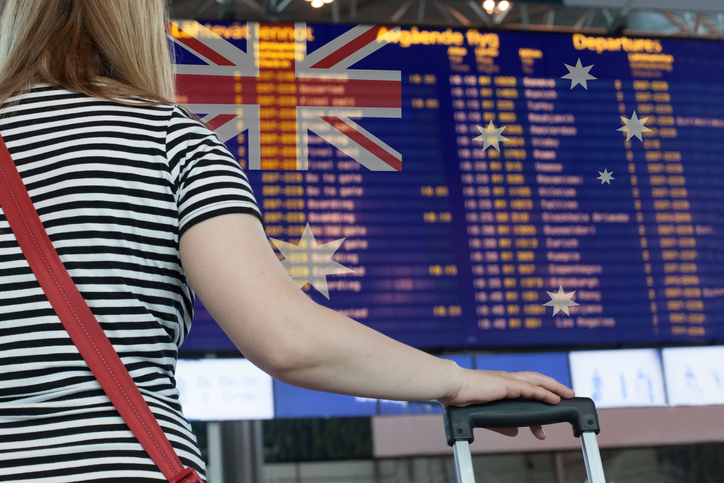
Airports are often vast and confusing, especially when you’re navigating through one for the first time. Signage can be unclear, and the sheer size of the terminal might leave you feeling lost. This disorientation is more than just a physical challenge; it’s a psychological one as well. You’re not just trying to find your way; you’re also trying to do it quickly, under pressure, and without making mistakes.
When you’re in an unfamiliar environment, your brain works overtime to process information and gauge your surroundings. This can lead to cognitive overload, where your ability to think clearly and make decisions is impaired. The stress of not knowing where you’re going or how to get there can be intense. Familiarizing yourself with airport layouts and using navigation apps can help mitigate these feelings of being lost.
9. Waiting Game Stress

Air travel involves a lot of waiting, and this can be a major source of stress. From check-in to boarding, you spend a significant amount of time in anticipation. This waiting time is often filled with anxiety about whether everything will go smoothly. You’re essentially in a state of limbo, unable to proceed with your journey until the next stage is ready.
This waiting game can feel particularly stressful because it’s largely out of your control. You might try to distract yourself with reading or browsing, but the underlying tension remains. Experts suggest using mindful techniques to ease this stress, such as focusing on your breathing or practicing gratitude for the journey ahead. Understanding that waiting is an inherent part of the travel experience can help you manage your expectations.
10. Jet Lag and Physical Strain

The physical demands of air travel can add to your stress levels, especially when it comes to jet lag. Crossing time zones disrupts your body’s natural rhythm, leading to fatigue, irritability, and difficulty concentrating. This biological stressor can intensify the psychological pressures you’re already experiencing at the airport. You’re left feeling groggy and out of sync, which can make the entire travel process feel even more exhausting.
The cramped conditions of airplane seating and prolonged periods of immobility contribute to physical discomfort. This discomfort can manifest as muscle tension or even pain, adding to the overall stress of travel. Experts recommend staying hydrated, moving around when possible, and gradually adjusting your sleep schedule to your destination’s time zone. These strategies can help alleviate some of the physical stressors associated with air travel.
11. Communication Barriers and Breakdowns

Airports are melting pots of different cultures and languages, which can lead to communication challenges. If you’re traveling in a country where you don’t speak the language, even simple interactions can become stressful. Misunderstandings and confusion can quickly escalate into frustration. You’re left trying to navigate instructions, signs, and announcements that might as well be in a secret code.
Communication barriers create a sense of isolation and vulnerability, as you’re less able to ask for help or understand what’s happening around you. This can amplify feelings of stress, especially in high-pressure situations like gate changes or security checks. Utilizing translation apps or learning a few basic phrases in the local language can go a long way in reducing this type of stress. It empowers you to feel more in control of your surroundings.
12. Fear of Flying

For many, the airport experience is stressful because it’s a precursor to the actual flight, which can be a source of fear. The fear of flying, or aviophobia, affects a significant portion of the population and can manifest as anxiety, panic, or even physical symptoms. The mere thought of being thousands of feet in the air can induce a sense of dread. This fear compounds the stress you’re already experiencing from navigating the airport.
Fear of flying often stems from a lack of control and the unfamiliar sensations associated with flying. Turbulence, takeoffs, and landings can trigger panic attacks or severe anxiety. Understanding that this is a common fear and seeking support, whether through therapy, courses, or books, can be incredibly helpful. Techniques such as deep breathing, visualization, and knowledge of aviation safety can also ease fears.
13. Lack of Comfort

Airports are not exactly designed with comfort in mind, and finding a place to relax can be a challenge. You’re often searching for a place to sit, plug in your devices, or find some peace and quiet. This quest can feel like a scavenger hunt, adding to your stress levels. The lack of comfort can make the waiting time seem even longer and more tedious.
The environment is often bustling and noisy, which can be overwhelming when you’re trying to rest or focus. This discomfort is compounded by the anticipation of sitting in a cramped airplane seat for several hours. Some people find relief in airport lounges, which offer more comfortable seating and amenities for a fee. Planning ahead for comfort, whether it’s bringing a travel pillow or booking lounge access, can make a big difference.
14. Exposure to Germs
Airports are busy places, and with that comes the risk of exposure to germs and illness. The thought of getting sick while traveling is enough to stress anyone out, especially in the close quarters of an airplane. This concern is heightened during flu season or in the wake of global health pandemics. You’re keenly aware of the surfaces you touch and the air you breathe, adding another layer of anxiety to your journey.
Health concerns can make you hyper-vigilant, focusing more on sanitizing and avoiding crowds. While these are practical measures, the constant worry can be mentally exhausting. Bringing your own sanitizing supplies and practicing good hygiene can ease some of this stress. Knowing you’ve taken proactive steps to protect your health provides peace of mind during your travels.
15. Loss of Control
Ultimately, airports symbolize a loss of control for many travelers. You’re at the mercy of flight schedules, airline regulations, and even weather conditions. This loss of autonomy can feel unsettling, as you’re forced to adhere to the rules and timelines of others. You might feel like a small cog in a massive machine, with little influence over your own journey.
The feeling of being out of control can heighten stress levels, as you’re constantly adapting to changing circumstances. This can lead to a sense of powerlessness, as you’re left waiting for the next instruction or update. Experts suggest focusing on the aspects of travel you can control, like packing efficiently or planning your itinerary, to counterbalance this feeling. Embracing flexibility and maintaining a positive attitude can also help in navigating the unpredictability of air travel.


