

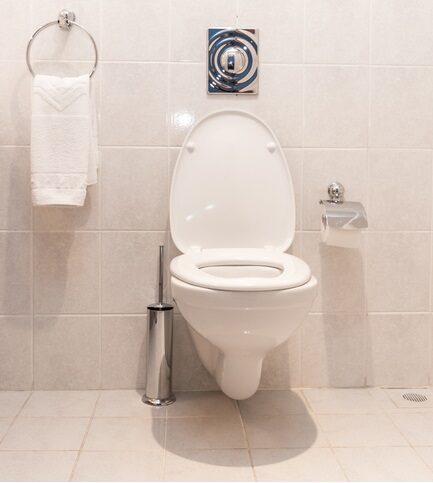
Flushing things down the toilet might seem like a convenient way to get rid of unwanted items, but it can lead to plumbing nightmares. When you treat your toilet like a trash can, you’re inviting clogged pipes, sewage backups, and costly repairs. It’s not just about protecting your home; it’s about keeping the environment safe, too. So, before you toss something into the bowl, ask yourself if it truly belongs there. To help you navigate these murky waters, here’s a list of 13 things you should never flush down the toilet.
1. Wet Wipes
Wet wipes are marketed as flushable, but don’t let the packaging fool you. Unlike toilet paper, which breaks down quickly in water, wet wipes remain intact long after they’ve been flushed. This can cause blockages in your plumbing system, leading to expensive repairs. According to a study by the Water Research Foundation, wet wipes are a major contributor to sewer blockages. So, even if the product is labeled as “flushable,” it’s best to throw them in the trash instead.
Beyond damaging your pipes, flushing wet wipes can also harm the environment. When these wipes make their way into water treatment facilities, they can cause clogs and operational issues. This, in turn, increases maintenance costs and energy consumption. Plus, if they end up in natural waterways, they can contribute to pollution and negatively impact aquatic life. For the sake of your home and the planet, opt for a wastebasket instead of a flush.
2. Feminine Hygiene Products

Feminine hygiene products, like tampons and pads, should never be flushed down the toilet. These items are designed to absorb moisture, which means they expand when they come into contact with water. This can lead to blockages not only in your home’s plumbing but also in the broader sewage system. Even if it seems like a small thing, flushing these products can have significant consequences. Always dispose of them in the trash to avoid any unintended plumbing disasters.
Beyond clogging pipes, feminine products can also wreak havoc on sewage treatment processes. These items don’t break down easily, so they can bypass filtration systems and end up in natural waterways. There, they can cause environmental damage and pose threats to wildlife. By choosing to dispose of feminine hygiene products in the trash, you’re helping to preserve both your plumbing and the ecosystem. It’s a simple change with significant benefits.
3. Cotton Balls And Swabs
It might seem harmless to flush a few cotton balls or swabs, but this habit can create big problems. Unlike toilet paper, which dissolves quickly, cotton products don’t break down in water. Instead, they can clump together inside pipes, causing blockages and other plumbing issues. According to plumbing expert Joe Wood from the American Society of Plumbing Engineers, cotton items are among the top culprits of household plumbing problems. Next time you’re tempted to flush, think twice and use a trash bin instead.
The environmental impact of flushing cotton products is another reason to reconsider. These items can make their way through sewage systems and eventually end up in waterways. There, they contribute to pollution and can pose a danger to marine life. By disposing of cotton balls and swabs properly, you’re not only protecting your home’s plumbing but also taking a step toward environmental responsibility. It’s a small change that can make a big difference.
4. Dental Floss

Dental floss is another common item that people often flush without a second thought. Made from nylon or Teflon, floss does not decompose in water and can easily wrap around other debris, worsening blockages. It’s like a net that can trap hair, toilet paper, and other waste, leading to severe clogs. Over time, even small pieces of floss can accumulate in your pipes and create a tangled mess. To avoid these plumbing headaches, always throw dental floss in the trash.
While your pipes may bear the brunt of flushing dental floss, the environment also pays the price. Floss can pass through sewage treatment plants and end up in rivers, lakes, or oceans, where it contributes to pollution. This can harm fish and other marine animals that may ingest or become entangled in it. By properly disposing of dental floss, you’re doing your part to protect aquatic ecosystems. It’s a simple switch that benefits both your home and the environment.
5. Hair

It’s tempting to dispose of hair by flushing it down the toilet, especially after cleaning out a hairbrush or shower drain. However, hair doesn’t break down in water, and can easily form clumps that catch other debris, leading to stubborn blockages. Plumbing expert Lisa Burns from the National Association of Clean Water Agencies points out that hair is a frequent cause of drain clogs. Instead of flushing hair, toss it into the trash where it won’t become a plumbing problem. It’s a small change that can save you from a costly and inconvenient repair bill.
Beyond your pipes, flushing hair can have negative effects on sewage systems and the environment. Once it enters a sewage treatment plant, hair can cause operational issues and increase maintenance costs. If it makes its way to natural waterways, it can contribute to pollution and harm aquatic life. By disposing of hair properly, you’re taking a step to protect both your plumbing and the planet. It’s a simple action with significant benefits.
6. Medication

Flushing medication down the toilet is not only a plumbing risk but also an environmental hazard. Pharmaceuticals can dissolve in water, but they introduce harmful chemicals into the sewage system. Wastewater treatment plants are not equipped to filter out these substances, which means they can end up in rivers, lakes, and oceans. The presence of pharmaceuticals in water can negatively impact aquatic ecosystems, affecting both plant and animal life. To dispose of medication responsibly, take it to a pharmacy or community program that offers safe disposal options.
Besides the environmental concerns, flushing medication can also have implications for public health. Contaminated water supplies can affect communities, leading to potential health risks. By choosing not to flush, you’re helping to ensure safer water for everyone. It’s a small step that contributes to a larger solution. Always opt for proper disposal methods for medication to protect both your home and the environment.
7. Cooking Grease

Pouring cooking grease down the toilet might seem like a quick fix, but it’s a guaranteed way to create plumbing problems. As grease cools, it hardens and can coat the inside of pipes, leading to blockages. Over time, this buildup can catch other debris, resulting in severe clogs that are costly to fix. According to research from the Environmental Protection Agency, cooking grease is a common cause of sewer overflows. To avoid these issues, let grease cool and dispose of it in the trash or use a dedicated grease recycling program if available.
The environmental impact of flushing grease is another reason to avoid this practice. Grease can cause issues at sewage treatment plants, leading to increased maintenance and operational costs. It can also make its way into natural waterways, where it can harm aquatic ecosystems and wildlife. By disposing of cooking grease properly, you’re playing a part in protecting both your pipes and the environment. It’s a simple action that can prevent big problems down the line.
8. Paper Towels

Paper towels are thicker and more absorbent than toilet paper, which makes them a poor choice for flushing. They don’t break down easily in water and can quickly lead to clogs in your plumbing. Even if it looks like they’re going down without issue, they can accumulate in your pipes, causing blockages over time. This can lead to costly repairs that could easily have been avoided. Always toss paper towels in the trash, even if they seem similar to toilet paper.
Beyond causing issues in your home, paper towels can also affect sewage systems and the environment. They can bypass treatment processes and end up in natural waterways, contributing to pollution. This poses a risk to marine life and ecosystems. By disposing of paper towels in the trash, you’re protecting both your plumbing and the planet. It’s a small change that makes a big difference in the long run.
9. Cigarette Butts

Flushing cigarette butts down the toilet is bad news for your plumbing and the environment. These items don’t break down in water and can cause blockages in your pipes. The chemicals and toxins in cigarette butts can also leach into the water supply, posing a threat to aquatic life. Over time, this can lead to increased pollution in rivers, lakes, and oceans. To avoid these issues, always dispose of cigarette butts in a proper receptacle.
In addition to plumbing concerns, cigarette butts can have widespread environmental impacts. They often escape sewage treatment processes and end up in natural habitats, where they may be ingested by animals. This can lead to harmful health effects for wildlife and disrupt ecosystems. By choosing to dispose of cigarette butts responsibly, you’re taking a step to protect both your home and the environment. It’s a simple switch that can prevent significant damage.
10. Cat Litter

You might think that flushing cat litter is a convenient way to get rid of pet waste, but it’s a risky move. Most cat litter is designed to absorb moisture and clump together, which means it can easily cause blockages in your plumbing. Even if the packaging claims the product is flushable, it’s best to err on the side of caution and toss it in the trash. Over time, flushing cat litter can lead to costly repairs that could have been avoided. Keep your pipes clear and dispose of cat litter responsibly.
Beyond plumbing issues, flushing cat litter can also have negative effects on the environment. It can introduce harmful bacteria and parasites into water systems, posing a threat to aquatic life and ecosystems. Additionally, the clay and silica in cat litter don’t break down easily, contributing to pollution. By disposing of cat litter in the trash, you’re protecting both your home and the planet. It’s a simple change with far-reaching benefits.
11. Diapers
It might seem obvious, but diapers should never be flushed down the toilet. They’re designed to absorb moisture and expand, which means they can cause major clogs in your plumbing. Flushing a diaper can lead to immediate blockages, resulting in costly repairs and headaches. Instead of risking your pipes, always throw diapers in the trash where they belong. This simple action can save you from a lot of hassle down the line.
In addition to plumbing concerns, diapers can cause issues in sewage systems and the environment. They don’t break down easily and can contribute to pollution if they make their way into natural waterways. This poses risks to marine life and ecosystems. By properly disposing of diapers, you’re protecting both your home and the planet. It’s a small change that makes a big impact.
12. Band-Aids
It’s easy to think of Band-Aids as small and harmless, but flushing them can lead to big problems. Made from plastic or fabric, Band-Aids don’t break down in water and can contribute to clogs in your plumbing. Over time, even small items like this can accumulate and cause significant blockages. Instead of flushing, dispose of used Band-Aids in the trash where they won’t harm your pipes. It’s a simple precaution that can prevent costly repairs.
Beyond your plumbing, Band-Aids can also have negative effects on the environment. They can pass through sewage treatment plants and end up in natural water systems, contributing to pollution. This poses risks to aquatic life and ecosystems. By choosing to dispose of Band-Aids properly, you’re taking a step to protect both your home and the environment. It’s a small action with significant benefits.
13. Food Scraps

You might be tempted to flush food scraps down the toilet, but it’s not a good idea. Food particles can clump together and cause blockages in your plumbing, leading to costly repairs. While it might seem like a quick fix, flushing food waste can create long-term problems for your pipes. Always use a compost bin or trash can for food scraps, even if they seem small or harmless. This simple choice can save you from a lot of trouble down the road.
In addition to plumbing concerns, flushing food scraps can also affect sewage systems and the environment. They can contribute to pollution in natural waterways, posing risks to aquatic life. By disposing of food waste properly, you’re protecting both your home and the planet. It’s a small change that makes a big difference in preserving our ecosystems. Always think twice before flushing anything that doesn’t belong in the toilet.


